
These are times of celebrations when two hit films ‘Dhurandar’ and ‘Border 2’ have hit the big screen with amazing box office results. While ‘Dhurandar’ is a film on covert operation involving our neighbour with whom we have had several wars, ‘Border 2’ is based on 1971 war with Pakistan involving the heroic role of our three services and its men. The Nation’s emphatic victory in ‘Op Sindhoor’ and high octave emotions it generated also added to the financial fortunes of these films. But these are times of celebration where the media has played a dominant role in keeping the bubble alive and floating.
The Song – ‘Aye Mere Watan ke logon’ – However there was a time in the history of our nascent nation when we were down and defeated. It was the year 1962 when we lost war with China and many soldiers sacrificed their lives protecting the nation, our pride and prestige was low. We were ill prepared, our logistics was weak, we had to ask for help from America. Jawaharlal Nehru the prime minister was blamed for the defeat and never recovered from the shock and died in 1964. But at that time the Nation had to rise from the depression and low morale and many contributed their earnings and jewellery to meet the immediate needs and the Nation did come together and many individual and agencies played a formidable role. How ever here I am writing about a Song and a film which energised the nation and lifted it from the morass of self doubt and indignity.
The year was 1963 and the republic day was nearing and so the authorities decided to have a function in the National stadium and ask the nightingale of India (Lata Mangeshkar) to sing on the occasion. The occasion was also to raise funds for war victim families- Army welfare fund. We must remember that at that time there was hardly any financial assistance /grants in existence as they exist now and so a fund raiser was organised. Kavi Pradeep had written the song sometimes before the event so moved he was by the tragedy of the event. He roped in the famous music director of that time C Ramchandra to compose the song. Lata was reluctant to sing as there was not much time to practice but she agreed. No one was confident about the success of the song but for Pradeep, ironically he was not invited for the function. The President of India Dr Radha Krishnan and the prime minister Jawaharlal Nehru were present in the audience. The entire stadium was moved by the lyrics and the performance.
It moved the audience to such an extent that they had tears in their eyes, even the prime minister was crying and he confessed the same to Lata Mangeshkar- “Beti you made me cry today”. The song was an instant hit. No artist took any money and pledged their royalty lifetime to Army Welfare fund. This was a true morale booster for the Nation which conveyed that we are alive in good spirit and our morale is secure even though you have defeated us in war. The few stanzas of the song are produced below:
Aye mere watan ke logon tum khoob lagalo nara Yeh shubh din hai hum sabka lehra lo tiranga pyara Par mat bhoolo seema par veeron ne hai pran ganwaye Kuch yaad unhe bhi kar lo jo laut ke ghar na aye Aye mere watan ke logon zara aankh mein bhar lo pani Jo shaheed huye hain unki zara yaad karo qurbani Jab ghayal hua Himalaya khatre mein padi azadi Jab tak thi saans lade woh phir apni lash bichadi Sangeen pe dhar kar matha so gaye amar balidani Jo shaheed huye hain unki zara yaad karo qurbani Jab desh mein thi Diwali vo khel rahe the Holi Jab hum baithe the gharon mein vo jhel rahe the goli The dhanya jawan vo apne thi dhanya vo unki qurbani Jo shaheed huyen hain unki zara yaad karo qurbani Koi Sikh koi Jaat Maratha koi Gorkha koi Madrasi Sarhad pe marnewala har veer tha Bharatvasi
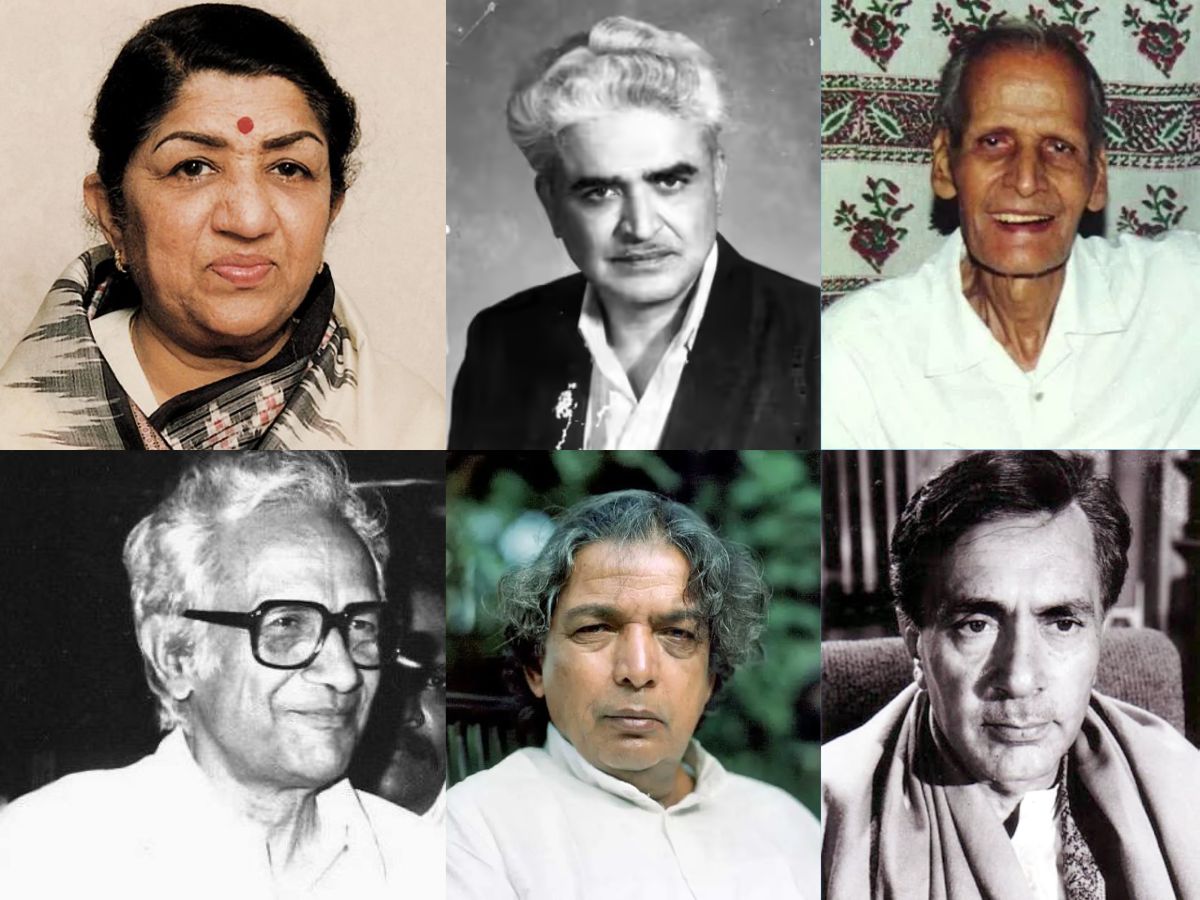
This song connected so well with the people immediately and has retained its pull and purity till date on account of it simplicity and genuineness of emotions. Whenever it is played these days even the present generation connects to it. This song was a result of some great talent of that time, Sung by Lata, composed by C Ramchandra one of the top musician of that time and Kavi Pradeep who was known for the numerous patriotic songs such as the famous song of the 1943 Ashok Kumar starrer ‘Kismet’ – ‘Aaj Himalaya ki choti se humne lalkara hai… Door hato O duniya walon Hindustan Hamara Hai’ and yet another patriotic song of ‘Jagruti’ ‘Hum layen hain toofan se Kashti nikal ke is desh ko rakhna mere bacho tum sambhal ke’.
And what it did for the Nation was tremendous, it lit up their lost faith it mobilised them in a manner which few leaders could do. The people were symbolically holding each others hand and conveying that our spirit, our morale our resolve was high and a lost battle cannot undermine our faith and trust in each other.
THE FILM – HAQUIQUAT
Chetan Anand the famous director who had directed ‘Neecha Nagar’ in 1946 which won the Grand Prix award in Cannes was a committed filter maker and had directed films such as ‘Afsar’ , ‘Aandhiyan’ ‘Taxi Driver’ and ‘Funtoosh’ for his younger brother Dev Anand. Though not as famous as his two younger brothers -Dev and Vijay he was a much respected man for his artistic sense and commitment to his convictions as he wanted to make the films his way and never felt tempted by commercial considerations. He had the passion and courage to make ‘Heer Ranjha’ in 1970 in complete verse and the film was a hit. This passion was lit after the Indian debacle by the Chinese in 1962 as there were stories of courage and fortitude which redeemed some of the suffering. In Ladakh an Infantry battalion of Jats despite being out numbered had fought till the last man last bullet. Chetan wanted to portray this brave aspect of our forces and he weaved a story around the incident with some romantic subplot, the core and essence of the plot was always in sight. The Indian Government progressed to make ‘Haquiquat’ in forward area and the Chief Minister of Punjab gave financial assistance.
The black and white film was shot extensively on location in Ladakh which makes the film engrossing. The characters and the situation both principal and secondary are well woven. The film gradually builds up to the fierce climax. Incidents and situations which occur in border area were screen-played effectively. One of the earliest scenes is of Vijay Anand who plays an officer’s role who is granted leave and is so happy that he sings a song while driving his jeep as the audience is introduced to the raw and earthy locales of Ladakh – ‘Masti mein ched ke tarana koi dil hi aaj khushya bharana koi dil hai’. The aspect of ‘leave’ from a field station and how officers and soldiers look forward to it is displayed in this situation. Then the anticipation and excitement of soldiers on receipt of letters is played so poignantly when the letters are received from home and all men cluster at one place to receive the same and happily proceed to private to read the letters from their loved ones, however there is one man who is saddened on non receipt of any letter from his girlfriend and walks up the hill slopes and recites the beautiful Nazm of Kaifi Azmi baid ke patthar ki tarah and ‘Zara si aahat hoti hai toh dil sochta hai’. He is being watched by Sanjay Khan and other soldiers who understand his pain.
Then there is a beautiful love story simmering between a local Kashmiri girl played by Priya Rajwansh and Dharmendra an officer and the central character. A song picturised on her captures the waiting and longing when in love. This song is sung by Lata – ‘humein sabhi bati bati m ab toh sabhi hai kabin ye na ho kabhi’. This tragic love story where both die fighting the enemy in the end haunts us and contributes to the immortality of the film.
Each aspect of war is presented so well in the picture that this collage makes a perfect painting. Another beautiful song sung and enacted by Bhupendra among others relates a situation when the army patrol party is lost and senses that they would perish slowly of cold and hunger but are saved luckily – ‘Ho ke majboor hum ne unhe bhulaya hoga/ zahar chupke se dawa jaan kar khaya hoga’.
The built up to war and the climax is brilliant, the coldness of the enemy is depicted when the Chinese look for personal belongings of dead Indian soldiers on the battle field, items such as wrist watch etc. The climax song pierces your heart and is as soulful as ‘aye mere watan ke logon’. As the song plays on screen it picturises the Nation rising in saluting the martyrs and collecting donation for the war cause – ‘Kar chale hum fida jaan o tan sathiyo/ ab tumhare hawale watan sathiyo’. The song is in background and is sung by Mohammed Rafi as only he could sing such high pitch patriotic song.
This best war film of Indian cinema was elevated with the performance and presence of Balraj Sahni and Jayant who play senior Army officers. However, the contribution of Kaifi Azmi who wrote the songs and Madan Mohan who composed them remains etched in the cinema history. It uplifted the film and ignited the emotions of the cine goers which has passed down from generation to generation.
The film was a super hit and won awards and the country was singing all the songs and continues to do so, such was its impact. Chetan Anand made ‘Hindustan ki Kasam’ a yet another war film on Air Force against the 1971 war. And also a serial for Door Darshan titled ‘Param Veer Chakra’ based on the lives and sacrifice of all Param Veer Chakra Awardees till then. This showed his love for the Nation and a way to pay respect to the brave men not for commercial consideration.
Against the above history I was saddened to see the celebration and euphoria to the recent films – ‘Border 2’ and ‘Dhurandar’. From the very first day the reviews were good, a foregone conclusion. But soon the attention was shifted to the daily ‘Box office’ figures which spiralled to new records and the aim was achieved. Whereas lyricist Pradeep and film maker Chetan Anand considered their National duty to make the song and films to pay their tribute to the martyrs and to uplift the Nation. This is the difference in the character and creativity of Film makers such as Chetan Anand and these Box office Jockeys !
Himanshu Dhuliya is an Indian Navy veteran, author and podcaster.