
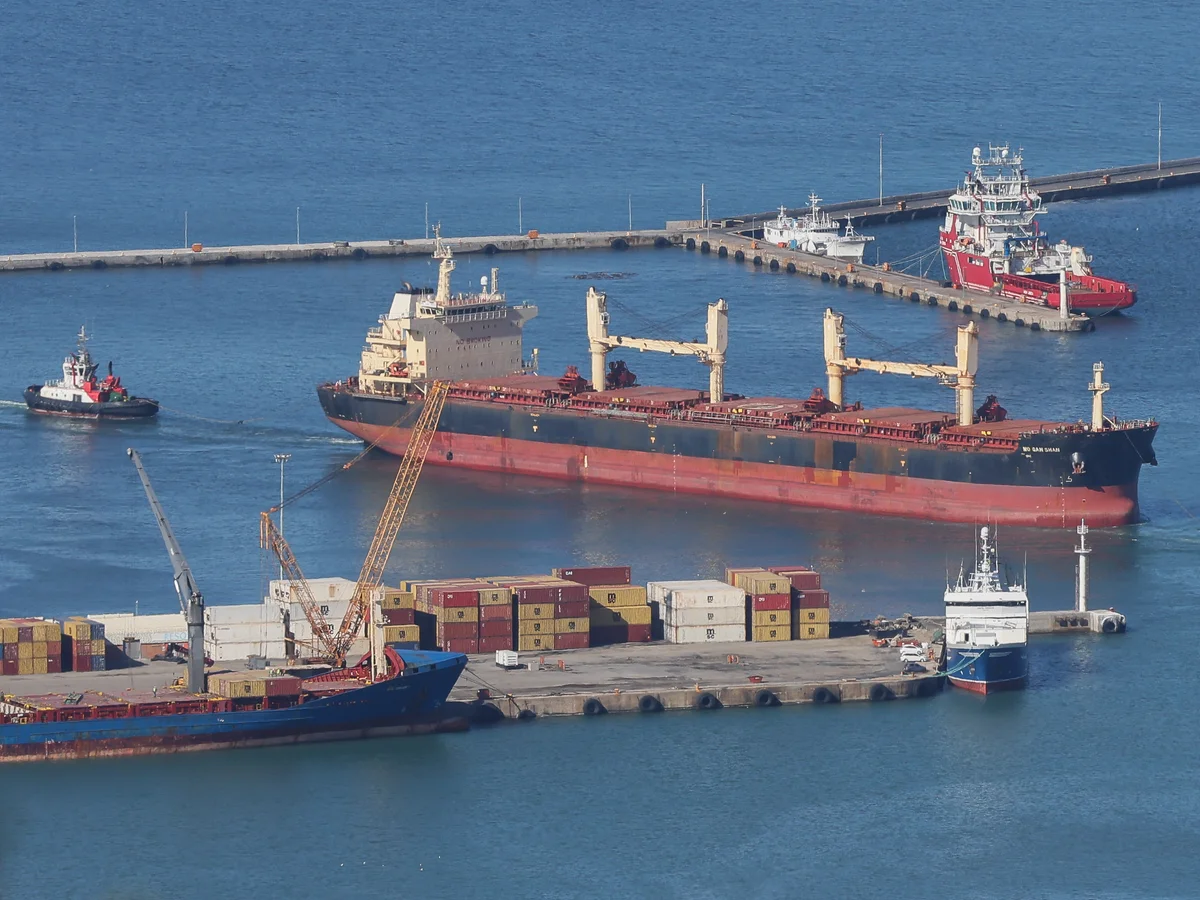
NEW DELHI: Disruptions in the Strait of Hormuz following the military escalation that began on 27 February have sharply curtailed shipping through one of the world’s most critical maritime choke points, threatening global energy supplies and raising the prospect of higher food and transport costs worldwide, according to a new assessment by the United Nations Conference on Trade and Development (UNCTAD).
The Strait of Hormuz carries roughly a quarter of global seaborne oil trade as well as significant volumes of liquefied natural gas and fertilisers, making it a critical artery of global commerce. In 2024 alone, about 20 million barrels of oil per day passed through the strait, equivalent to around 25 per cent of global seaborne oil trade.
Shipping through the passage has dropped sharply since the escalation. According to UNCTAD data, average daily ship transits, which stood at around 141 vessels between 1 and 27 February, fell to just three to six vessels per day in early March—a decline of roughly 97 per cent.
Energy markets have reacted swiftly. Brent crude prices have climbed above $90 per barrel, while natural gas prices have surged even more sharply. Between 27 February and 9 March, gas prices rose by about 74 per cent and oil prices by around 27 per cent.
Asian economies are likely to be the most exposed, as they receive the bulk of energy shipments passing through the strait. UNCTAD estimates that about 84 per cent of crude oil and 83 per cent of liquefied natural gas transported through the passage are destined for Asia.
The disruption could also affect fertiliser supply chains and agricultural production. Around one-third of global sea borne fertiliser shipments originate from the Persian Gulf region and pass through the Strait of Hormuz.
According to UNCTAD data, several countries are particularly dependent on fertiliser imports from the Gulf region.These include Sudan, where 54 per cent of fertiliser imports originate from the region; Sri Lanka at 36 per cent; Australia at 32 per cent; the United Republic of Tanzania at 31 per cent; Somalia at 30 per cent; Pakistan and Thailand at 27 per cent each; and Kenya and New Zealand at 26 per cent each. Mozambique imports about 22 per cent of its fertilisers from the region.
Shipping costs have also surged amid the disruption. Since the escalation began, tanker freight rates have jumped sharply,with the Baltic Exchange’s dirty tanker index rising by about 54 per cent and the clean tanker index by roughly 72 per cent.
Insurance costs for ships operating in the region have also risen steeply. War risk premiums for vessels transiting the Middle East have climbed significantly, pushing insurance costs for a $100 million tanker from about $250,000 per voyage before the crisis to as much as $1 million in some cases.
UNCTAD warned that higher energy, fertiliser and transport costs could translate into rising global food prices, as seen during previous shocks such as the COVID-19 pandemic and the Ukraine war.
Developing economies are likely to be particularly vulnerable, as many already face high debt burdens and limited fiscal space. A prolonged disruption could therefore increase pressure on public finances and household budgets in these countries.