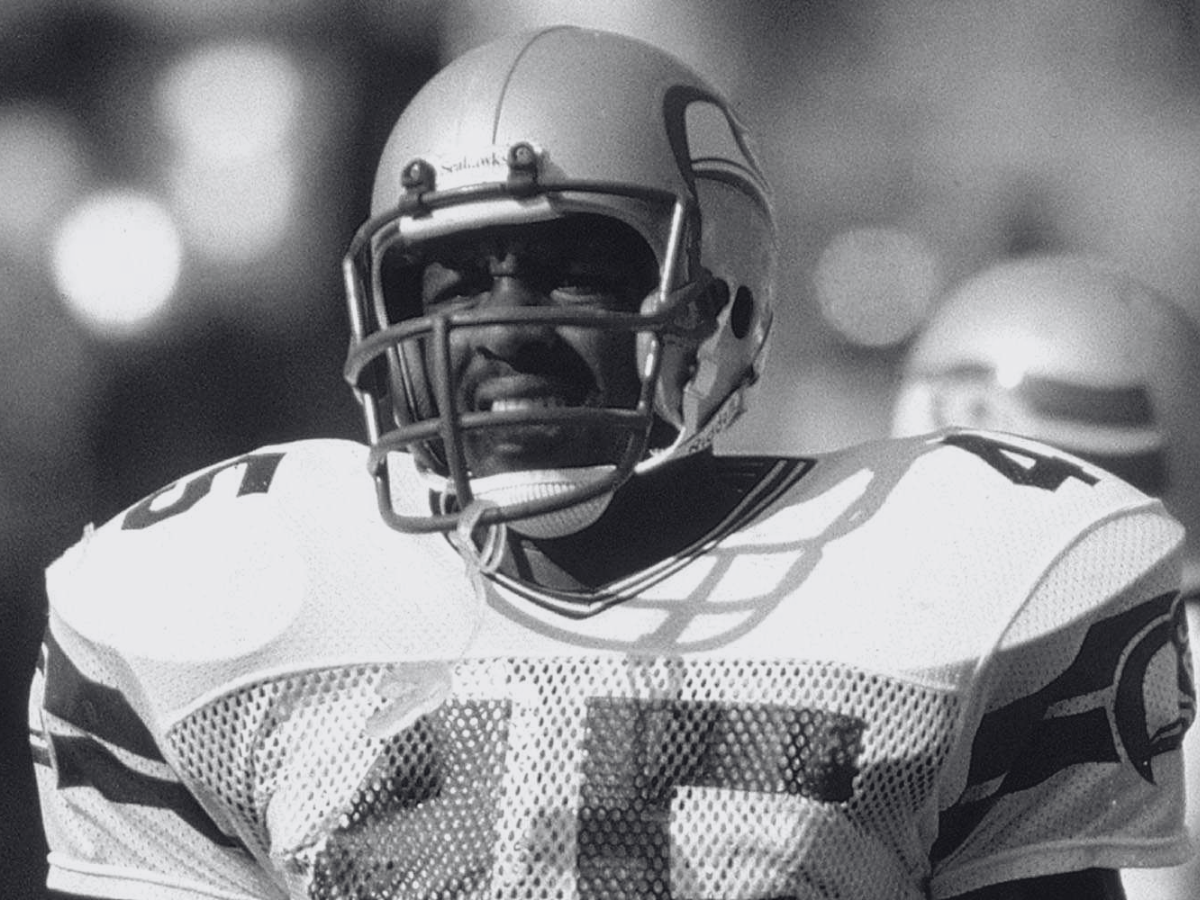
Kenny Easley, the legendary Seattle Seahawks safety and revered NFL Hall of Famer, passed away at the age of 66, leaving the football world in mourning. Widely known as “The Enforcer” for his commanding presence on the field, Easley’s death has brought renewed attention to his long battle with kidney disease a condition that not only ended his career early but continued to impact his health for decades.
Who was Kenny Easley?
Kenny Easley (January 15, 1959 – November 14, 2025) was an American football safety who played the better part of his career with the Seattle Seahawks. Despite playing only seven seasons in the NFL-1981 through 1987-he would go on to be considered one of the most dominating defenders during his playing era.
Before joining the NFL, Easley had been a standout at UCLA, earning three consecutive consensus All-American selections. During his pro career, he earned several Pro Bowl appearances, All-Pro honors, and the very prestigious Defensive Player of the Year award.
Kenny Easley Wife
Kenny Easley was married to Gail Easley, who stayed with him throughout his playing career and his life.
Kenny Easley Children
Kenny and Gail had three children:
- Kendrick (son)
- Gabrielle (daughter)
- Giordanna (daughter)
Kenny Easley Nickname
Easley earned the nickname “The Enforcer,” a result of his ferocious tackling, commanding physical presence, and fearless approach on the field.
Kenny Easley Net Worth
The Net worth of Kenny Easley is estimated around $6 million(approximately)
Kenny Easley Cause of Death
News of Kenny Easley’s November 14, 2025, passing brought into sharp focus the years-long and arduous health battle he had dealt with for decades. Tributes came in via social media from fans and old teammates alike, remembering not only his dominance on the field but also strength in the fight against a life-threatening kidney condition.
Easley had been diagnosed in the late 1980s with idiopathic nephrotic syndrome, a serious kidney disorder which forced him into early retirement. The condition caused significant kidney damage, swelling, fatigue, and protein loss complications he dealt with long after his playing career ended. Although he later received a kidney transplant in 1990, Easley lived the rest of his life with the long-term effects of the disease.
With no official cause of death having been made public, it is widely understood that his long history of kidney disease played a major role in his declining health.
Kenny Easley Stats
Among Kenny Easley’s most notable career NFL statistics are the following:
- 32 interceptions
- 538 interception return yards
- 11 fumble recoveries
- 8 sacks
- 3 defensive touchdowns
His best season came in 1984, in which he led the NFL with 10 interceptions, cementing his status as one of the best safeties of his generation.
Kenny Easley Hall of Fame
Kenny Easley received several major honors for his contribution to football:
- Pro Football Hall of Fame — inducted in 2017
- College Football Hall of Fame — 1991 inductee
- Seattle Seahawks Ring of Honor — inducted in 2002
His No. 45 jersey also was retired by the Seahawks, a rare honor given to only the most impactful players in franchise history.
Kenny Easley Records
- During his years at UCLA, he set the following school records:
- The school record for career interceptions (19)
- Among the top five in UCLA history for career tackles
In the NFL, his 1984 season still ranks as one of the most dominant ever by a safety, highlighted by his league-leading interception total.
Kenny Easley How did he die?
While no official statement has clearly explained the medical cause, Kenny Easley’s death is suspected to be related to complications associated with his long struggle with idiopathic nephrotic syndrome.
This rare kidney disorder has taken a toll on the body’s filtering system and has caused serious protein loss and build-ups of fluid symptoms Easley struggled with during and after his NFL career.
Idiopathic nephrotic syndrome is commonly complicated by:
- Severe swelling (edema)
- Foamy urine
- Sudden weight changes
- Fatigue and weakness
- Higher risk of infections
- Long-term kidney failure if not treated
Easley battled through these struggles for almost four decades, including an eventual kidney transplant. The stress on his body, however, did not let up completely, and his condition was a factor in his failing health during his final years.
Why did Kenny Easley Retire?
Easley’s career was cut short by a serious kidney disease that took a heavy toll on his health. He blamed long-term use of the painkiller common to many athletes of his era for his kidney damage.
In 1990, he was able to receive a successful kidney transplant after his retirement and regain his stability in health. Despite the abrupt end to his career, Easley’s legacy remains that of one of the greatest safeties ever to play the game.