
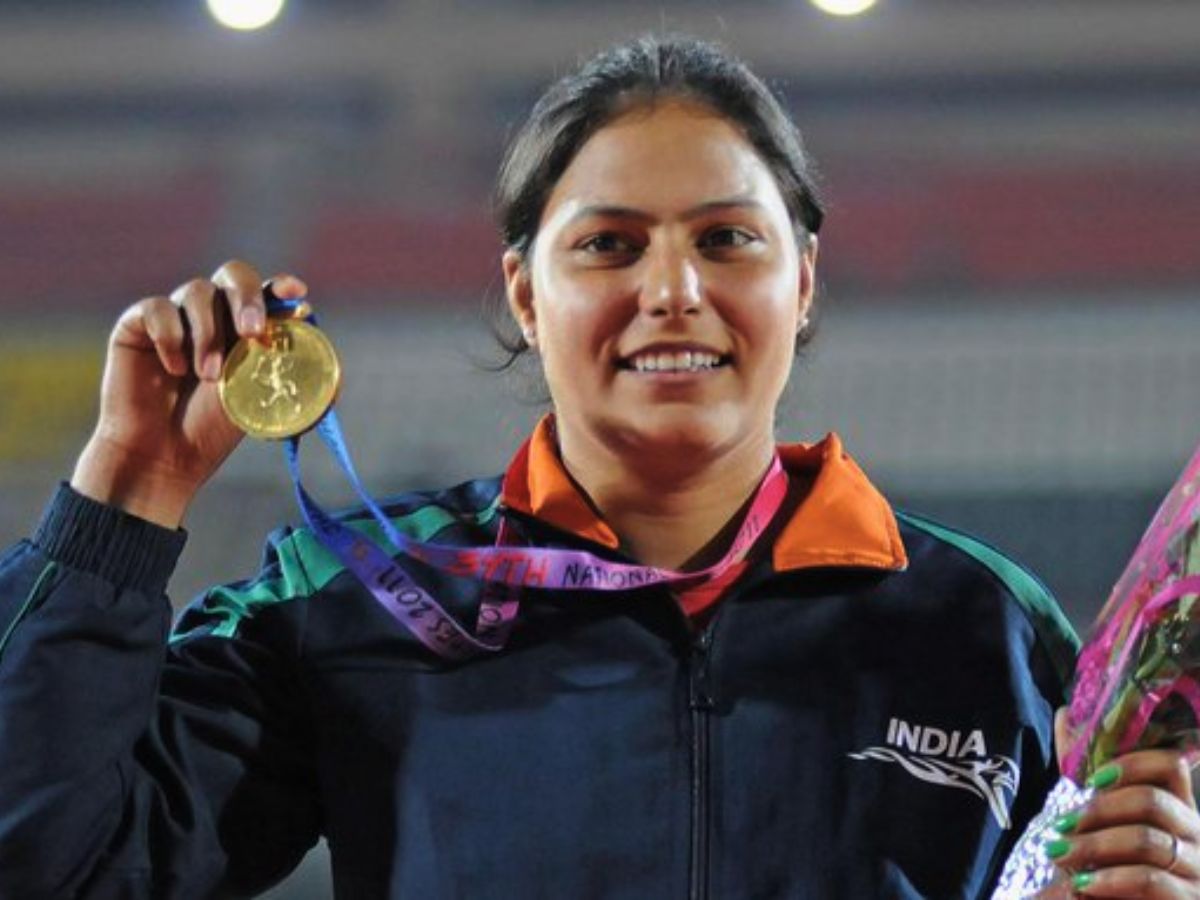
Another major doping case has hit India’s athletics community as Asian Games medallist Manju Bala faces a long suspension for violating anti-doping rules. The National Anti-Doping Agency (NADA) has imposed a five-year ban on the veteran hammer thrower after she tested positive for two banned substances.
The decision is part of NADA’s growing crackdown on athletes found guilty of using performance-enhancing drugs, underlining India’s renewed push for clean sport.
Manju Bala Faces Five-Year Suspension
Indian hammer thrower Manju Bala, a bronze medallist at the 2014 Incheon Asian Games, has been handed a five-year ban by the Anti-Doping Disciplinary Panel (ADDP) of NADA. The panel found her guilty of using dehydrochloromethyl-testosterone (an anabolic steroid) and SARMS LGD-4033 (ligandrol) — both prohibited under the World Anti-Doping Agency (WADA) code.
NADA made her failed test public in September 2024, and the ADDP issued its ruling in October 2025. The suspension will count from July 10, 2024, keeping her out of competition until mid-2029. The 35-year-old athlete, one of India’s most experienced throwers, had represented the country at several major international events, including the Asian Games and Asian Championships.
NADA’s Widening Crackdown on Doping
Manju Bala’s punishment is part of a wider anti-doping crackdown. NADA’s latest report lists multiple athletes from various disciplines facing suspensions for similar offences.
Mohan Saini has received a four-year ban, starting October 14, 2025, for a separate doping violation. In bodybuilding, Gopala Krishnan, Amit Kumar, and Rajvardhan Sanjay Waskar were each banned for six years, while Shubham Mahara received a four-year suspension.
The crackdown extended beyond strength sports, too. In boxing, Sumit was banned for two years, while canoeist Nitin Verma and basketball player Shivendra Pandey received four-year and six-year suspensions, respectively, after testing positive for banned substances.
Appeal Panel Upholds Himani Chandel’s Ban
Meanwhile, the Anti-Doping Appeal Panel (ADAP) has upheld the four-year ban imposed earlier on sprinter Himani Chandel, rejecting her appeal. The panel said it found no procedural or substantive grounds to overturn the earlier decision. This ruling further reinforces NADA’s strong and uncompromising stance against doping violations in Indian sport.
Setback for Indian Athletics
Manju Bala’s ban is a major setback for Indian women’s athletics. As one of the country’s few consistent performers in hammer throw, her absence leaves a gap that will be hard to fill. The decision also shows how even seasoned athletes are under strict scrutiny as India intensifies its anti-doping measures.
This development comes at a time when Indian athletics has been striving to build a clean and transparent reputation on the global stage. Bala’s suspension underscores the urgent need for better anti-doping education among athletes and coaches to prevent such incidents in the future.
Strong Message from NADA
The ruling sends a strong message that doping will not be tolerated, regardless of an athlete’s status or past achievements. Experts believe that these actions will push federations and training programs to promote clean sport more aggressively.
While the ban may temporarily weaken India’s medal prospects in women’s hammer throw, it also strengthens the credibility of India’s anti-doping system. The case serves as a reminder that maintaining fair play remains the top priority for the nation’s sporting authorities.