
After the IPL ended on 3 June with Royal Challengers Bengaluru lifting their first-ever title by defeating Punjab Kings, cricket fans turned their attention back to international matches. But with the mini-auction expected in December and retention deadlines likely a month or two earlier, IPL chatter is already making a comeback.
The excitement from India’s 2-2 Test series draw against England quickly gave way to speculation about team changes in the league. While praise for Mohammed Siraj and Prasidh Krishna’s match-winning spells at The Oval and Shubman Gill’s impressive batting run still lingers, much of the attention has now shifted to Rajasthan Royals and Chennai Super Kings.
Rajasthan Royals and Sanju Samson Rift
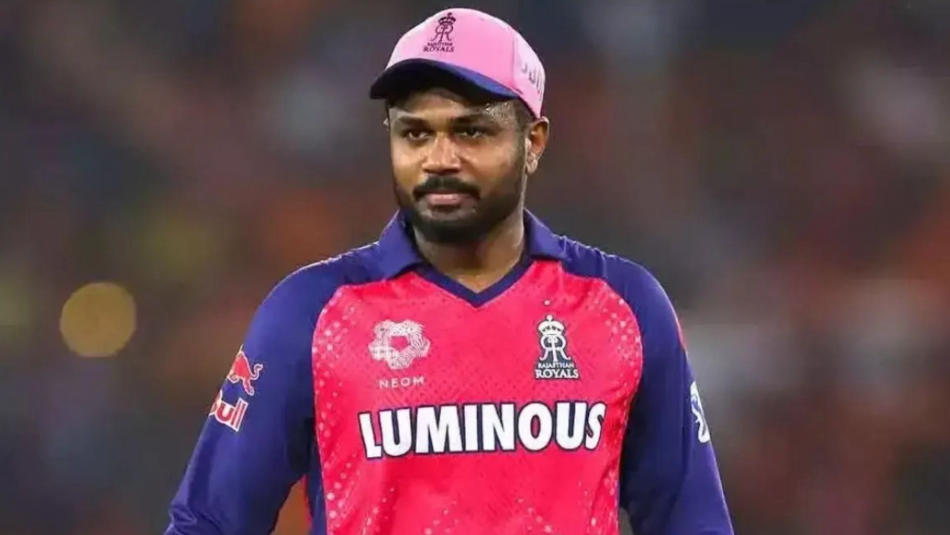
The Royals may soon face the reality of losing their captain and wicketkeeper Sanju Samson. Reports suggest Samson is unhappy with the franchise after a turbulent season. He is being linked to a move to CSK — potentially as MS Dhoni’s successor behind the stumps and to guide young skipper Ruturaj Gaikwad with leadership duties.
CSK’s Call on Ashwin’s Future
The Super Kings, meanwhile, are evaluating whether to retain spin legend Ravichandran Ashwin. Although he rejoined CSK after a decade earlier this year, his performances did not match expectations.
How IPL Player Trades Work
The IPL transfer window opens a month after a season ends — this year on 3 July — and remains open until a week before the auction. The concept is similar to football transfers, where a player moves from one team to another, and the buying team compensates the selling team financially.
One-Way Trades
In a one-way trade, the buying team pays the selling team the same price it paid for the player in the auction, in an all-cash deal. This amount is added to the selling team’s auction purse and deducted from the buying team’s purse. Wealthier franchises can also add extra money to the deal, which does not affect auction budgets.
Two-Way Trades
A two-way trade involves player exchanges between teams. The goal is to keep player values similar so that any cash difference in auction price remains small.
Player Consent and Transfer Fee Share
A player’s approval is essential for any trade, though final decisions rest with the franchises. Players can receive up to 50% of the transfer fee, but this depends on individual negotiations — it’s not a fixed rule. For instance, the Royals could still refuse to let Samson go, even if CSK shows interest.
Famous IPL Trades
Player trades have existed since 2009, when Shikhar Dhawan moved from Delhi Daredevils (now Capitals) to Mumbai Indians in exchange for Ashish Nehra.
One of the most notable trades was Hardik Pandya’s return to Mumbai Indians in 2023 from Gujarat Titans, a team he had captained to victory in their debut season in 2022. To make room for Pandya, MI traded Cameron Green to Royal Challengers Bengaluru.