
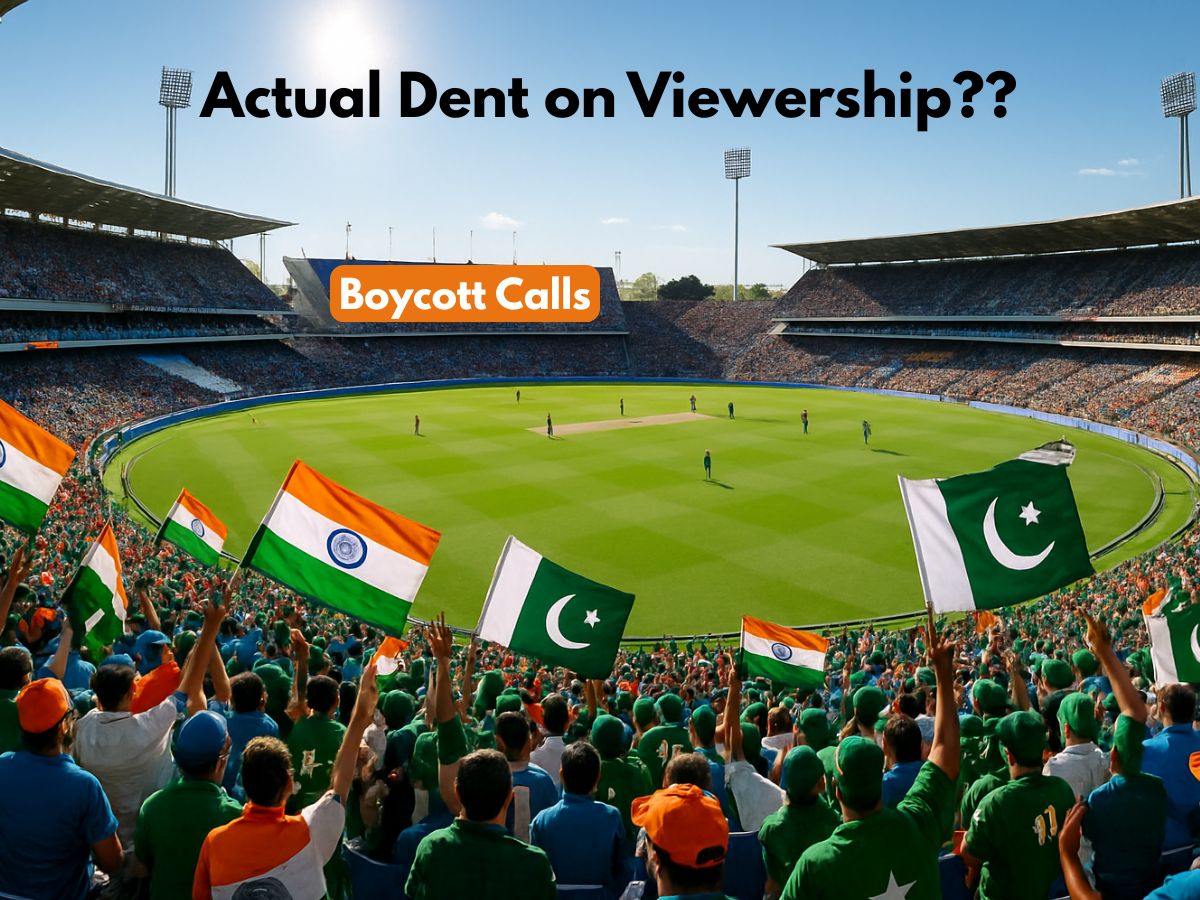
The Asia cup cricket match between India and Pakistan is in talks for many reasons, some unusual. The historical rivalry is naturally a point of attraction but there was something beyond this, the boycott calls for the game to show solidarity against Pakistan-sponsored terrorism. Has it affected or made any difference? Yes. The boycott calls for the India vs Pakistan Asia Cup 2025 match have impacted attendance and viewership considerably, though interest in the legendary cricket rivalry continues to be significant.
Stadium Attendance and Ticket Sales Impact
The Dubai International Cricket Stadium, with a capacity of 25,000, saw quite a number of vacant seats in the India-Pakistan match, a notable contrast to the past sold-out affairs. According to reports, ticket sales trail behind expectations owing primarily to political tension boycott calls in the aftermath of the Pahalgam terror attack and Operation Sindoor. Parts of the stadium, particularly upper levels, were noticeably empty, indicating public hesitation in spite of the high-profile match. Social media fans also pointed out the unusually vacant stands, a rare phenomenon for this traditional rivalry.
Television and Digital Viewership Data
Historically, India-Pakistan clashes have garnered record-breaking television ratings. For context, the 2017 ICC Champions Trophy final drew approximately 268 million TV viewers in India, while the 2019 World Cup clash became the most-watched cricket match globally with 273 million unique viewers and over 50 million digital-only viewers. The 2025 Champions Trophy before Asia Cup gathered approximately 20.6 crore (206 million) TV viewers, together with a high of 60.2 crore (602 million) on official streaming sites.
The 2025 Asia Cup India-Pakistan match, however, is not without issues. OTT platform SonyLiv’s choice of continuing to stream paid instead of free is said to have held down digital viewership numbers, amidst fan demands for free viewing for better engagement. Analysts reported a decline in streaming figures from previous meetings, which aligns with the political boycott and reduced fan-fever. Ad rates for this game declined 15-20% compared with previous India-Pakistan Asia Cup matches, attributed in part to viewer uncertainty and the banning of the real money gaming industry, a significant historical advertiser.
Mixed Fan Sentiment
The geopolitical tensions, recent terror attacks inducing grief, and boisterous boycott campaigns has a direct effect on live viewership and online activity. Nevertheless, millions of fans still watch the match, influenced by the consistent popularity of the rivalry. Cricket commentators observe that even with political problems, India-Pakistan cricket matches continue to draw huge followings, though this game experienced a slight reduction from other years.
What to Conclude?
In a way, pre-match boycott calls for the India-Pakistan Asia Cup 2025 also lead to lower stadium crowds and curbed OTT watching owing to paid streaming and politics. The intense cricketing rivalry, however, guaranteed the massive audience required, highlighting the complicated dance of sports and politics, with people loving the game while there is also existing real-world tensions.