
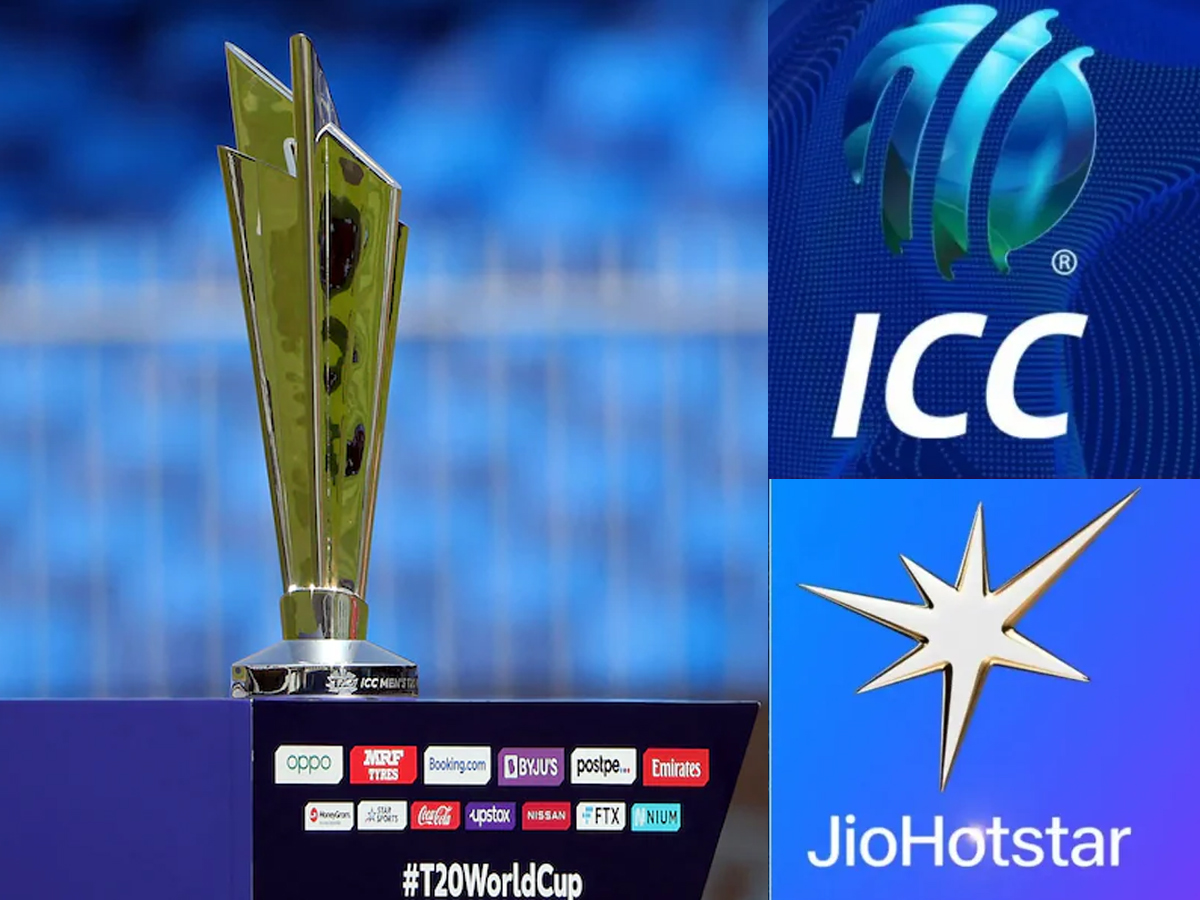
Just months before the 2026 ICC Men’s T20 World Cup, to be co‑hosted by India and Sri Lanka, the global cricket body is facing its worst broadcasting crisis in decades. The main rights holder in India, JioStar (owner of JioHotstar), has formally informed the ICC that it will not fulfill the remaining two years of its contract.
The abrupt exit has left fans, advertising partners, and the ICC scrambling for a solution. With no time to spare, the ICC has reopened the bidding process, but the results so far are bleak.
Why Did JioStar Quit? Heavy Losses and Vanishing Revenue
JioStar agreed to a four‑year media rights deal valued at around USD 3 billion. But by 2024‑25, the company had reported a sharp rise in losses. Provisions against sports contracts nearly doubled, from ₹12,319 crore to ₹25,760 crore.
The company blamed the lack of sufficient advertising revenue, declining returns on sports streaming, and rising production costs. With the economics no longer sustainable, it decided to cut its losses by pulling out.
ICC Scrambles to Fill the Gap — Few Takers, High Costs
Faced with an empty broadcast schedule, ICC moved quickly to float fresh tenders for the 2026–29 media‑rights cycle, aiming to fetch around USD 2.4 billion.
It reached out to top media and streaming platforms, including Sony Pictures Networks India (SPNI), Netflix, and Amazon Prime Video, but all reportedly remain silent or uninterested. The price tag and risk seem to have deterred potential bidders.
As of now, the ICC has no confirmed broadcaster for Indian rights. That raises serious doubts about whether the 2026 World Cup will have live coverage in the country.
Why This Matters: India Drives ICC’s Finances
India contributes nearly 80% of ICC’s global revenue. That makes the Indian media‑rights deal enormously valuable, and its sudden collapse threatens the entire financial model of international cricket events.
Without a viable broadcaster, the upcoming World Cup and other ICC tournaments may face reduced reach, lower sponsorship and brand revenue, and possible delays or format changes.
What Happens Next: Scenario for Fans, Broadcasters, and ICC
For cricket fans: There’s uncertainty whether matches will be televised or streamed in India at all. For the ICC: It must either lower its asking price or offer flexible terms to attract a new partner, and fast.
For broadcasters & streamers: The high cost and uncertain ad revenues make them wary; only bold players might step in. For Indian cricket economy: Loss of broadcast rights may hit sponsors, advertisers, and grassroots funding tied to ICC events.