The Asia Cup campaign of the Pakistani cricket team was almost ruined by a spectacular off-field dispute that called for a boycott. The Pakistan Cricket Board (PCB) demanded that match referee Andy Pycroft be fired for his involvement in the now-famous handshake incident against India. After hours of intense talks with the International Cricket Council (ICC), the match against the United Arab Emirates was postponed, but there was an important disclosure: sources say the ICC judged Pycroft not guilty of any crimes.
A Team on Standby: The Brink of Withdrawal
Tension peaked just before the match against the UAE at the Dubai International Stadium. The PCB, considering an extreme response, instructed its players to remain at their hotel while top officials debated withdrawing from the entire tournament. This drastic move was a direct response to the events of the India-Pakistan clash on September 14th and the PCB’s belief that official bias was involved.
What Was the Handshake Controversy All About?
For those who missed it, the incident became a major flashpoint:
- What is the usual custom? A friendly handshake between captains at the toss is a long-standing tradition symbolizing respect.
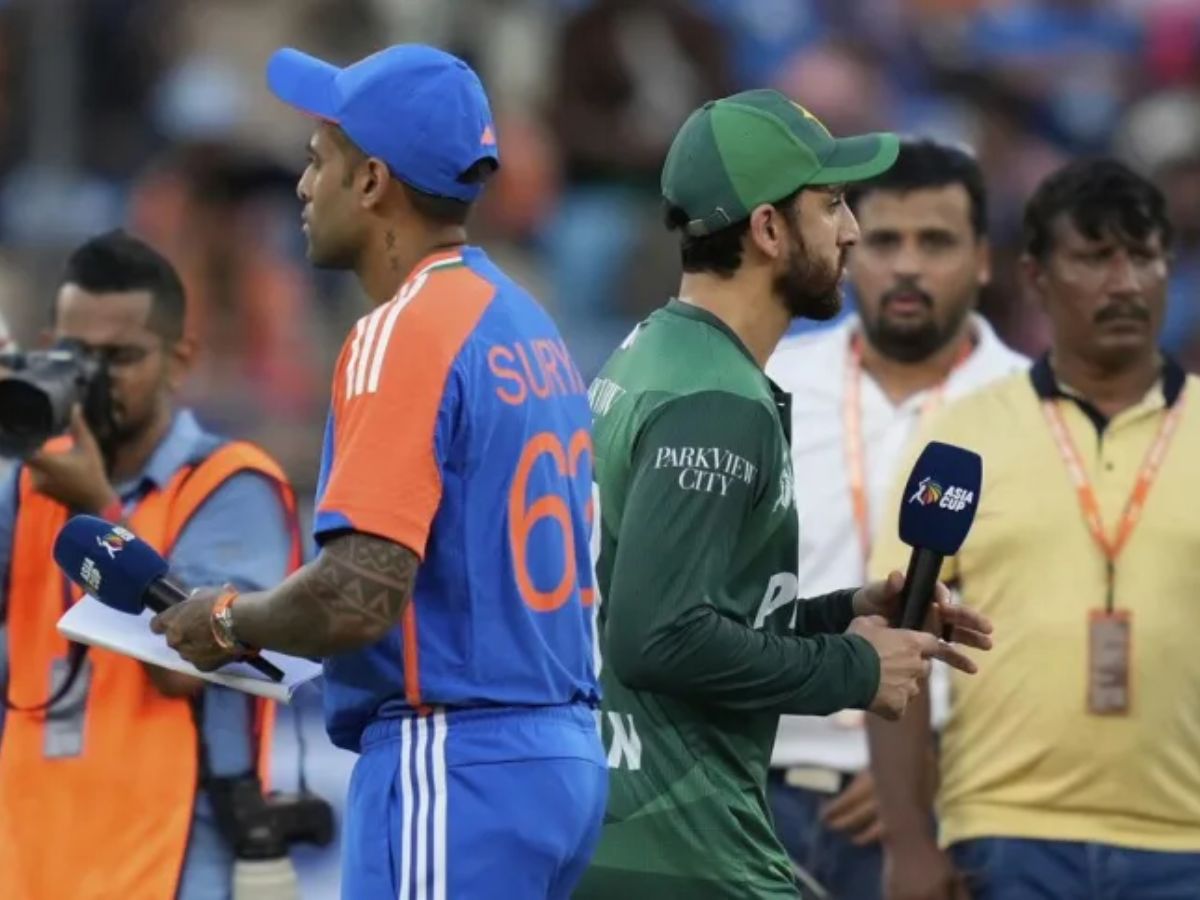
- What happened instead? Captains Suryakumar Yadav (India) and Salman Agha (Pakistan) did not shake hands. India later won the match and did not partake in post-game handshakes, closing their dressing room door as a protest.
- Why did the PCB blame the referee? The PCB alleged that Andy Pycroft instructed the captains to skip the toss handshake. They viewed this as a breach of the sport’s spirit and evidence of bias, leading them to file a formal complaint with the ICC.
The ICC’s Verdict: Not Guilty, But a Miscommunication
While the PCB threatened boycott, the ICC conducted its own review. Based on sources close to the matter:
- The Key Finding: The ICC investigation cleared Andy Pycroft of any wrongdoing or offence. He was found not to have acted with bias.
- The Apology: However, Pycroft did apologize to the PCB for a “miscommunication” regarding the handshake protocol. The key to defusing the tension was this apology.
Who Was at Fault? The error was traced back to the venue manager, not the match referee. As a result of the event, the venue management has subsequently quit.
Also Read: How Botnets Like Aisuru Are Turning Smart Devices Into Cyber Weapons
A Crisis Averted, But Questions Remain
The PCB’s acceptance of the apology and the ICC’s assurance allowed the team to take the field, albeit an hour late. The immediate crisis may have been resolved, but the episode underscores the immense pressures of India-Pakistan matches, where every move faces intense scrutiny. The PCB maintains its demand for additional investigation, though it is believed to lack substantial proof against Pycroft.
The incident underscores how easily off-field misunderstandings can threaten to overshadow the sport itself, all in the charged atmosphere of one of cricket’s greatest rivalries.