
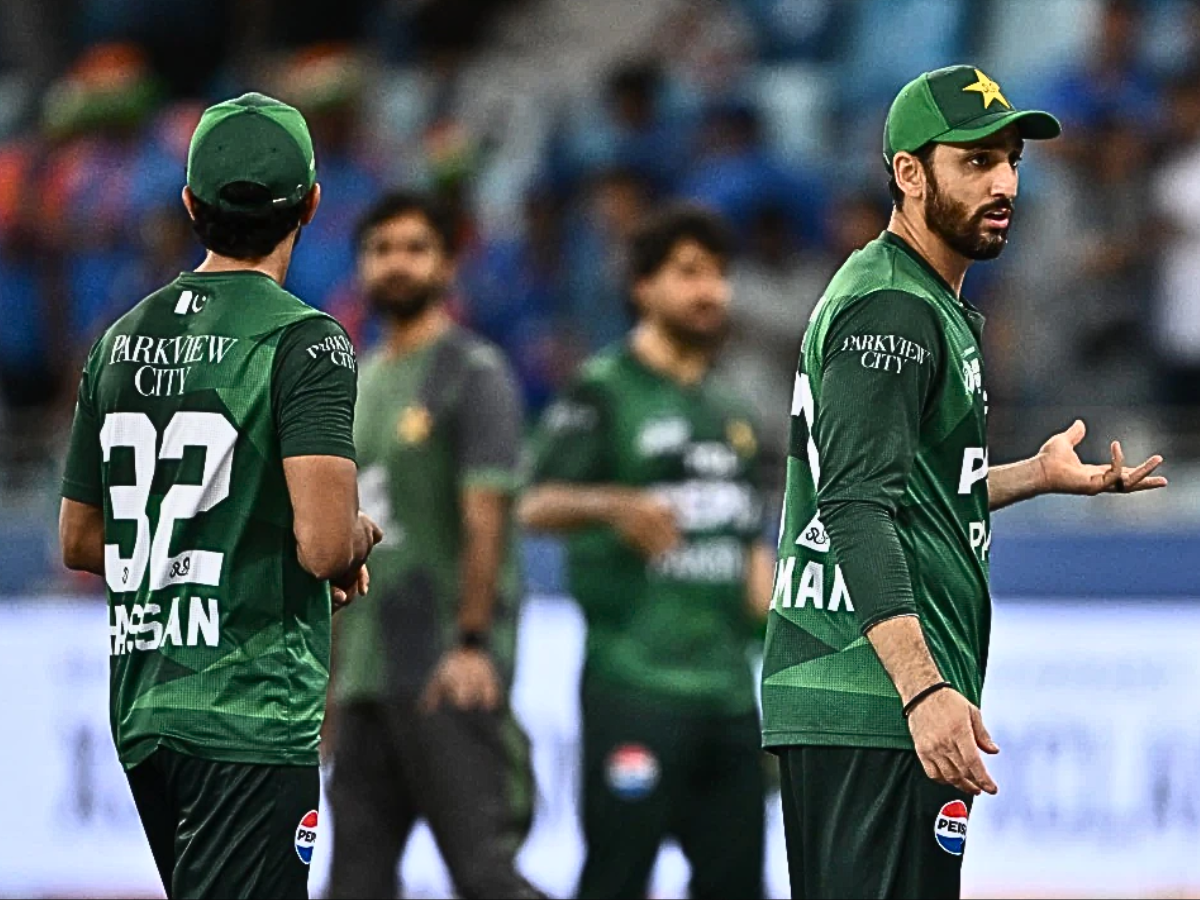
Following the threat to pull out in the middle of the Asia Cup 2025, Pakistan is now going to make a sensational u-turn in the face of the current no-handshake controversy.
Asia Cup Withdrawal Threat
The Pakistan Cricket Board (PCB) initially threatened to boycott the tournament against match referee Andy Pycroft’s continued participation.
The row was over the no-handshake event in Pakistan vs India when players failed to shake hands after India’s victory by seven wickets, citing respect for the victims of the Pahalgam terror attack.
Pakistan’s team manager Naved Cheema had claimed that Pycroft insisted the routine exchange of team sheets between captains was not adhered to, which added to the tensions.
Asia Cup 2025: ICC Rejects PCB Request
The International Cricket Council (ICC) promptly rejected Pakistan’s appeal to lift the ban on Pycroft and exonerated him of any misconduct in the no-handshake fiasco.
Pycroft, a veteran match referee with 695 matches to his name, is still a highly respected member of the ICC Elite Panel.
The ICC move put Pakistan’s threatened withdrawal at risk since any early withdrawal could trigger serious sanctions.
PCB U-Turn Amid Sanctions Concerns
Confronted with the possibility of ICC sanctions and increasing financial issues, the PCB has allegedly made up its mind to stay in the Asia Cup.
According to Times of India, a PCB insider said, “It is very unlikely that the PCB will withdraw from the Asia Cup. If we do that, ICC under the leadership of Jay Shah will impose heavy sanctions on the PCB, and this is something our board cannot afford.
The insider also quoted the economic pressure on the PCB after the recent stadium upgrades during the Champions Trophy, for the country’s cricketing ecosystem to stay in the tournament.
Asia Cup 2025: Internal Accountability
There have been reports that PCB Director of Cricket Operations Usman Walha did not prepare captain Salman Ali Agha about the no-handshake rules of the tournament, adding to the furor.
After the incident, PCB chief Mohsin Naqvi, also the chairman of the Asian Cricket Council (ACC), allegedly ordered Walha’s dismissal. “Walha’s inefficiency embarrassed the national team and the captain,” the report stated.
Asia Cup 2025: Impact on the Team
Salman Ali Agha, taken aback by the regulations, was criticized following the match against India. Although the scandal has made headlines, PCB’s choice to persist in the Asia Cup allows Pakistan to continue vying for points and keep its spot in the global fray, while staying out of potential fines or bans from the ICC.
Sustaining Asia Cup participation is imperative for PCB’s revenue and the growth of domestic cricket. An extended exit or penalty would have further destabilized the board’s finances and impacted future tournaments. Experts indicate that this u-turn was a strategic as well as a financial imperative.