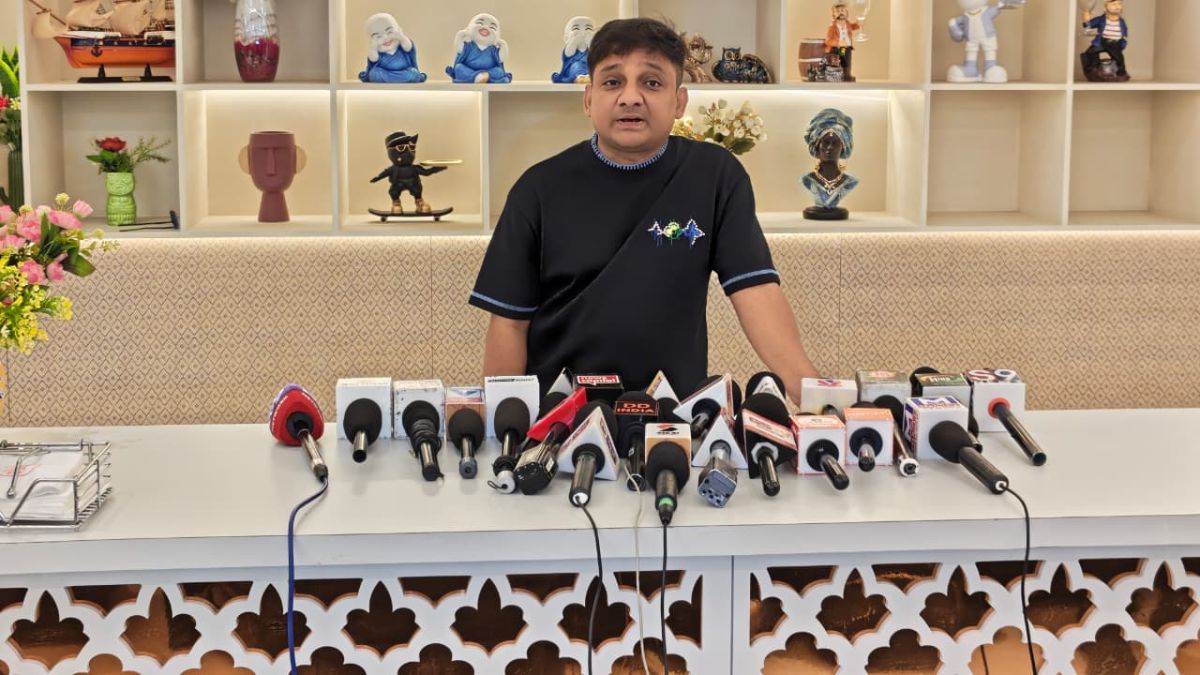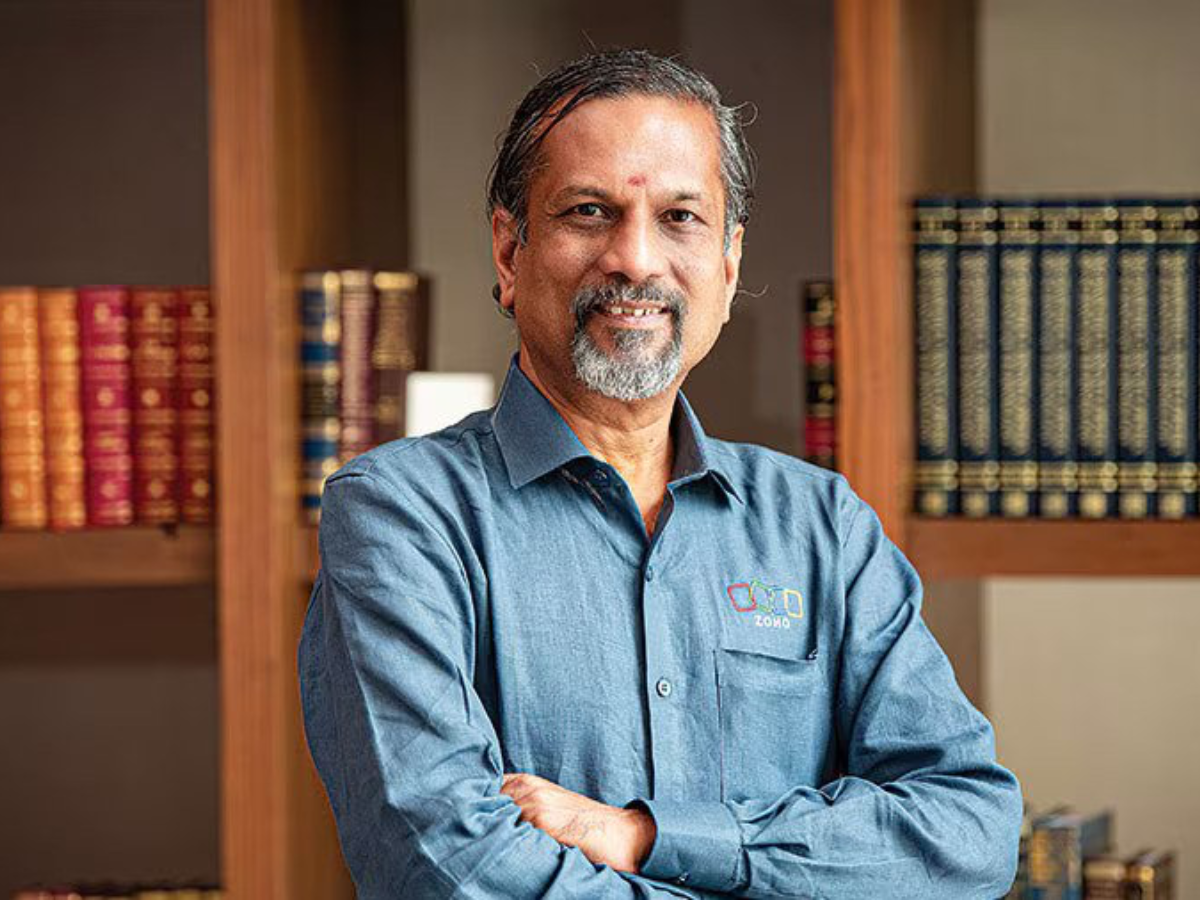
Zoho’s CEO, Sridhar Vembu has sparked a fresh debate about India’s overreliance on foreign technology systems. Following the growing success of Arattai and Zoho’s indigenous messaging platform Vembu urged the government to take immediate steps toward creating a 10-year National Mission on Tech Resilience.
His concern stems from the realization that India’s deep dependence on U.S. based platforms leaves its digital ecosystem vulnerable to external disruptions.
What is the Fear of a Digital Blackout
The discussion first picked up when industrialist Harsh Goenka asked an intriguing question on social media: What would happen if the U.S. decided to ban platforms like Google, Instagram, X, Facebook or ChatGPT in India? His tweet sent people thinking about the potential consequences of such a move.
I agree. And we have a lot more such tech dependency beyond the app level: OS, chips, fabs, .. it goes deeper and deeper.
We need a 10 year “National Mission for Tech Resilience”. It can be done. https://t.co/4a2ub5sMK5
— Sridhar Vembu (@svembu) November 6, 2025
According to a U.S.-India digital trade expert, such a ban would overnight cripple India’s $200 billion tech economy, 500 million plus users and advertising revenue that would slash by over half.
ALSO READ: NASA’s ESCAPADE Mission to Mars Set for Launch on Blue Origin’s New Glenn Rocket
How Building a Plan B for India
Experts say that India needs to move fast and come up with an alternative digital ecosystem on an indigenous platform. Suggesting a series of steps ahead with these include developing Zoho and Nextcloud for cloud services, scaling Arattai for communication and developing open-source AI models like Bhashini.
UPI started just five years ago, but it has grown to this level, so there is nothing to stop India from achieving technological self-reliance in 18 months if there is a well-planned approach.
What are the Challenges & Opportunities in Desi Tech
Public adoption remains a challenge when credible alternatives are already available in India. For example, Mappls from MapMyIndia provides more accurate navigation for Indian roads compared to Google Maps. Still, it faces a lack of adopters who could switch to its services.
ALSO READ: Golden Comet C/2025 K1 (ATLAS) Defies the Sun & Dazzles Astronomers
Similarly, though Arattai is improving steadily, it must bridge the user experience and reliability divide to eventually rival WhatsApp and Telegram. Trust in the user base, innovation and scalability would be the key to making these tools mainstream platforms.
What is the Future to Digital Freedom
The call for a national mission by Vembu finds its roots in an important truism with the future of digital security for India rests on its capability to create and control its technology ecosystem.
That requires collaboration among the private sector, policymakers and developers to make it real. A robust, self-reliant tech foundation would protect not only the economy of India but also empower its citizens in a digitally unsure world.
ALSO READ: ISRO Announces Mars Landing Mission: Mangalyaan-2 to Launch in 2030
Disclaimer: This article is based on verified public statements and reports. It reflects editorial interpretation, not official government policy.