
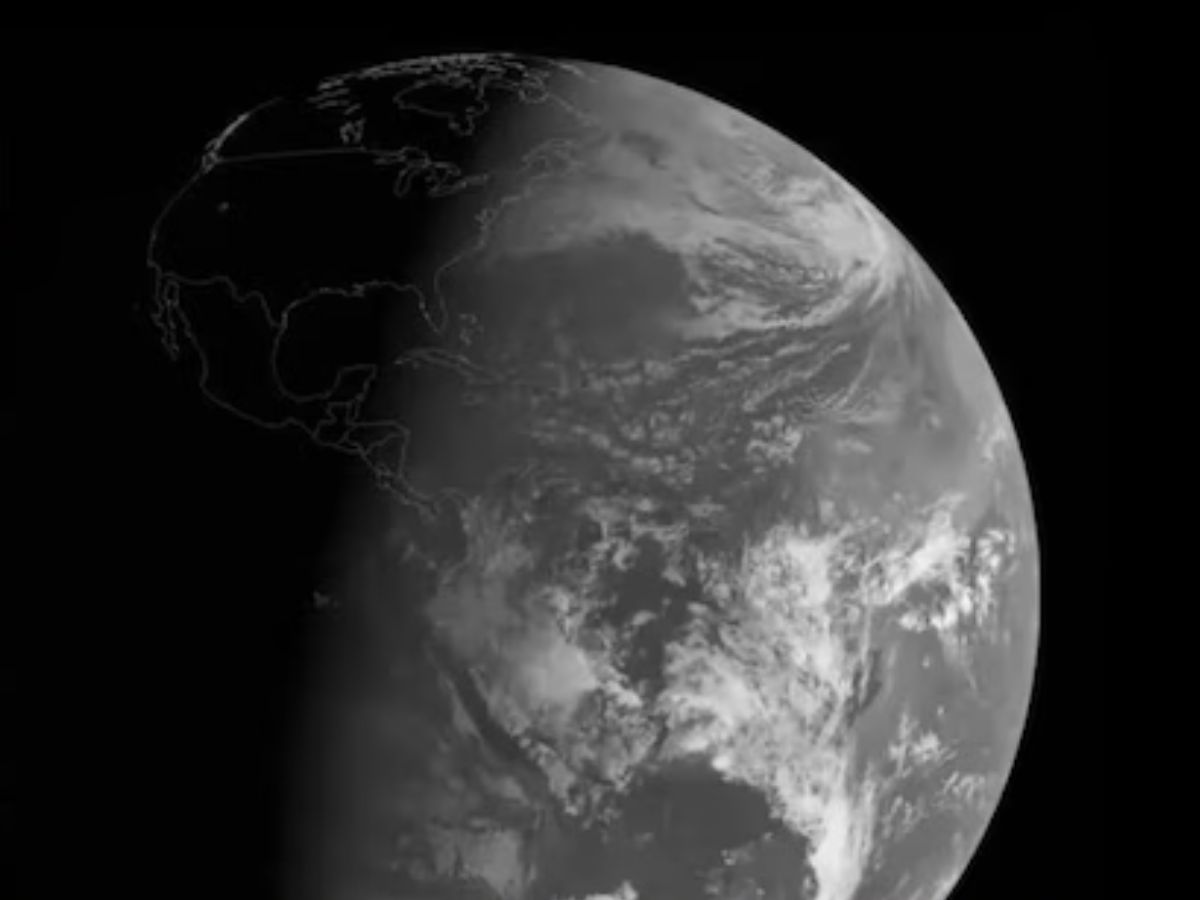
The Winter Solstice 2025 falls on December 21, bringing the shortest day and longest night of the year to the Northern Hemisphere. On this day, sunlight reaches its lowest point in the sky before the slow return of longer days begins. Beyond science, people around the world gather to mark this moment with celebrations, traditions, and reflections on nature’s cycles.
What is the Winter Solstice?
The Winter Solstice happens when the Northern Hemisphere tilts farthest away from the Sun. This reduces daylight hours and makes nighttime longest. It is an astronomical event that signals the official start of winter for the Northern Hemisphere.
At the same time, the Southern Hemisphere feels the opposite. It gets its longest day and shortest night as summer begins there.
When is the Winter Solstice 2025?
In 2025, the Winter Solstice happens on Sunday, December 21. The exact moment occurs at the same instant worldwide, but local clocks show different times:
- 3:03 PM UTC
- 8:33 PM IST (India)
- 10:03 AM EST (USA)
This doesn’t mean the entire day is a solstice — it’s one specific moment when Earth’s axis reaches its greatest tilt away from the Sun.
Why is December 21 the Shortest Day?
The Earth spins on a tilted axis of about 23.5°. In December, this tilt sends sunlight at a low angle to the Northern Hemisphere. The Sun then follows its lowest path across the sky, giving the fewest daylight hours and the longest night of the year.
This means sunrise is late and sunset comes early. In India, daylight may last roughly 10–10.5 hours, while farther north this can be much shorter.
Winter Solstice 2025
The Winter Solstice isn’t just a science fact — it is rich in cultural meaning. People gather at historic sites like Stonehenge in the UK to watch the sunrise. Many see this day as a symbol of hope, renewal, and light returning after darkness.
In some places, celebrations blend ancient traditions with modern gatherings. Thousands travel to share music, dance, and sunrise sightings as the solstice dawn breaks across the horizon.
What Happens Next?
After December 21, daylight starts increasing again — slowly at first, then more each day. This marks the beginning of the sun’s return to higher paths in the sky.
This gradual change has been observed for thousands of years and encouraged traditions and festivals across many cultures. As night gives way to returning light, people remember cycles of growth, reflection, and renewal.
Winter Solstice Facts
Why is the winter solstice the shortest day?
It is because the Earth’s tilt pushes the Northern Hemisphere farthest from the Sun, limiting daylight the most.
Does the weather change immediately after the solstice?
No — even though days start to lengthen, cold weather often continues due to energy stored in land and oceans.
Is the Winter Solstice celebrated around the world?
Yes — many cultures mark the solstice with rituals, gatherings, and festivals that honour light, nature, and community.
What does the Winter Solstice Signal?
The Winter Solstice 2025 on December 21 marks a major astronomical and cultural moment. It brings the darkest day of the year, but also the promise that light will grow again. People not only observe it scientifically but also celebrate it around the globe. This event is a reminder of Earth’s rhythms and humanity’s age-old fascination with the Sun.