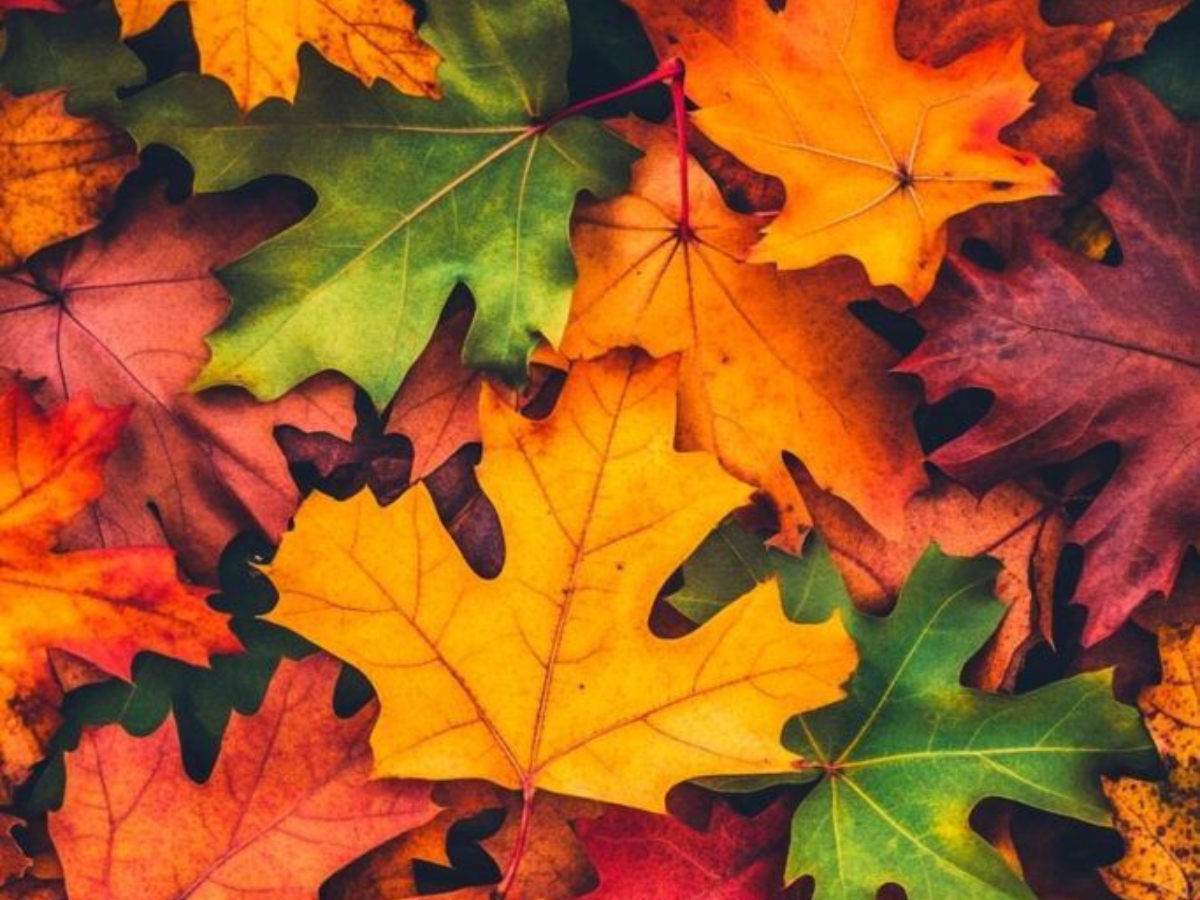
The term “leaf” comes from Old English lēaf and is the casual part of the Germanic languages. It is termed by no particular individual and has been handed down for centuries in the oral tradition. The Leaf biology began to be looked into by scientists only much later when botany was finally delineated as a discipline in the time of the Renaissance.
Why Would Leave Turn Red?
This redness is actually an end-result due to the presence type of pigment called anthocyanins, its show just before the leaves fall. They add colors and at the same protect the leaves from UV rays and helping them to recycle some nutrients for the coming winter.
Why Would Leave Turn Green?
Leaves are almost a liberal green in the spring and summer, a testament to the colors eliciting optimal photosynthesis. The green pigment named chlorophyll is responsible for the same which absorbs the light and makes several forms of energy to feed the plant photosynthetically. Throughout the warmer months chlorophyll is the primary pigment masking other colors waiting for expression in the autumn.
ALSO READ: Northern Lights: When & Where to Watch Aurora Borealis in the U.S.
Why Would Leave Turn Yellow?
Yellow the color attributed to the return of the losses from the breakdown of chlorophyll. The xanthophylls were among the pigments already inside the leaf but hidden and protected under the green. With the fall of the chlorophyll production the show was on for the carotenoid friends to present golden displays of wonder.
Why Would Leave Turn Orange?
The oranges of late bringing fall and carotenoids are chemicals giving carrots and pumpkins their color. These pigments have always been in the leaves but only visible when the chlorophyll vanishes. When final coloration begins carotenoids alone are responsible for the oranges.
ALSO READ: Why the Sky Changes Color: The Science Behind Blue Skies & Sunsets
What is the Chemistry Behind Color Changes?
The daylight hours lessen and when temperatures drop chlorophyll degrades and photosynthesis ceases while Carotenoids and xanthophylls become more visible when the chlorophyll breaks down. In some of cells the anthocyanins are produced during autumn and these pigments all absorb light in different wavelengths providing with the variety of hues we associate with autumn. The Weather conditions such as cold nights and sunny days play a key role in vivifying the colors.
How Do Leaves Fall?
Leaves fall from trees to help the tree survive the cold of winter. An abscission layer forms across the leaf stem stopping all nutrients from flowing to the leaf and also sealing up any proteins or energy stores in the tree. The leaf drained and rich with tannins drops giving a slight brown hint.
ALSO READ: Science of Color: How Light, Vision & Brain Create the World we See