
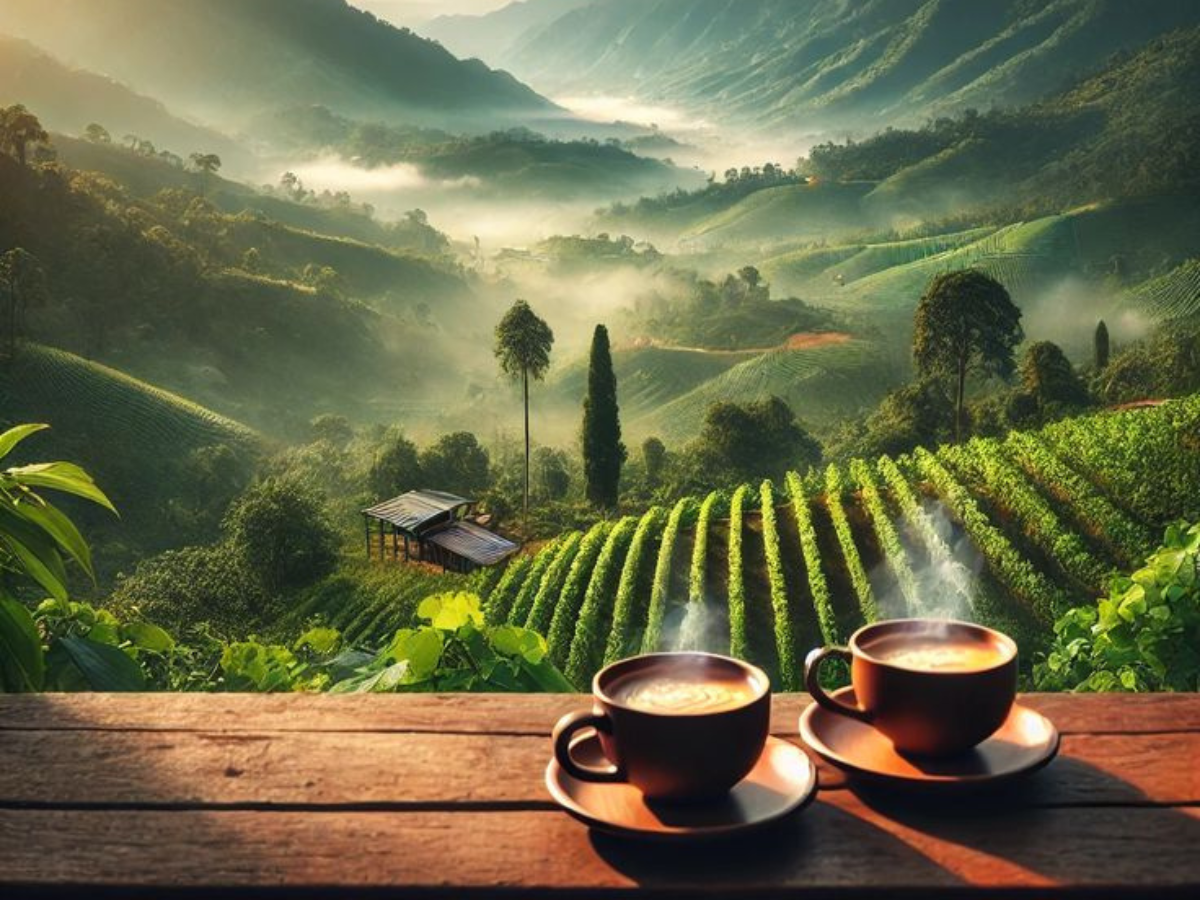
In India’s northeastern region, Assam is known as the Tea Capital of India. The state which started growing tea since the 19th century and has never looked back since has many green valleys, fertile soil and a humid climate.
Why Assam Tea is Different?
The strong malty flavor and the deep amber liquor of Assam tea are quite distinguishable characteristics. In Assam, tea leaves owe their unique zestfulness to warm weather and heavy monsoon rains any other tea-growing regions in a cooler climate. The Assam tea stands in good stead as a favorite base for worldwide blends like English Breakfast and Irish Breakfast tea.
ALSO READ: India or China: Which Country Leads the World in Rice Production in 2025
What is the Historical Background of Assam Tea?
Tea in Assam traces its beginning to the British colonial period while tea originally came from China with wild-growing tea plants had already been discovered in Assam.
It was when the British East India Company, realizing the potential began the establishment of commercial plantations in the 1830s. Since then, Assam has remained the focal point of the Indian tea industry.
What is the size of the Tea Production Level?
Assam is today counted among the larger tea-producing regions in the world with more than 800 tea estates scattered across its landscape and the state yields almost half of all tea production in India. A vast production apart from meeting domestic demand is also supplemented by exports across Europe and the Middle East to North America.
ALSO READ: What is the Scientific Name of Rice? Meaning, Origin & Importance
How Cultural Importance of Tea in Assam?
Tea is not only a crop but a way of life in Assam and from the small stalls on the roadside serving steaming cups of chai to the grand tea estates forming the backbone of the economy, tea has curbed daily patterns, cultures and ways of life. The festivals and traditions in Assam present the deep linkage between people and their tea gardens.
How Assam Tea is Global Standing Recognition?
Assam tea is globally recognized with Geographical Indication (GI) tag for its authentic branding and abhorring misuse of its name. A bold flavor is believed to be nowhere else superior and which Assam tea some of the world’s most desirably sought varieties.
Why Assam deserves the title of Tea Capital?
Assam is justified in calling itself the Tea Capital of India, looking at its sub history, scale of production, cultural impacts and current recognition worldwide. Assam itself symbolizes India’s supremacy in the cultivation of tea and a heritage and identity linked to this cherished drink.
ALSO READ: Do Carrots Really Improve Night Vision? Myth vs Fact