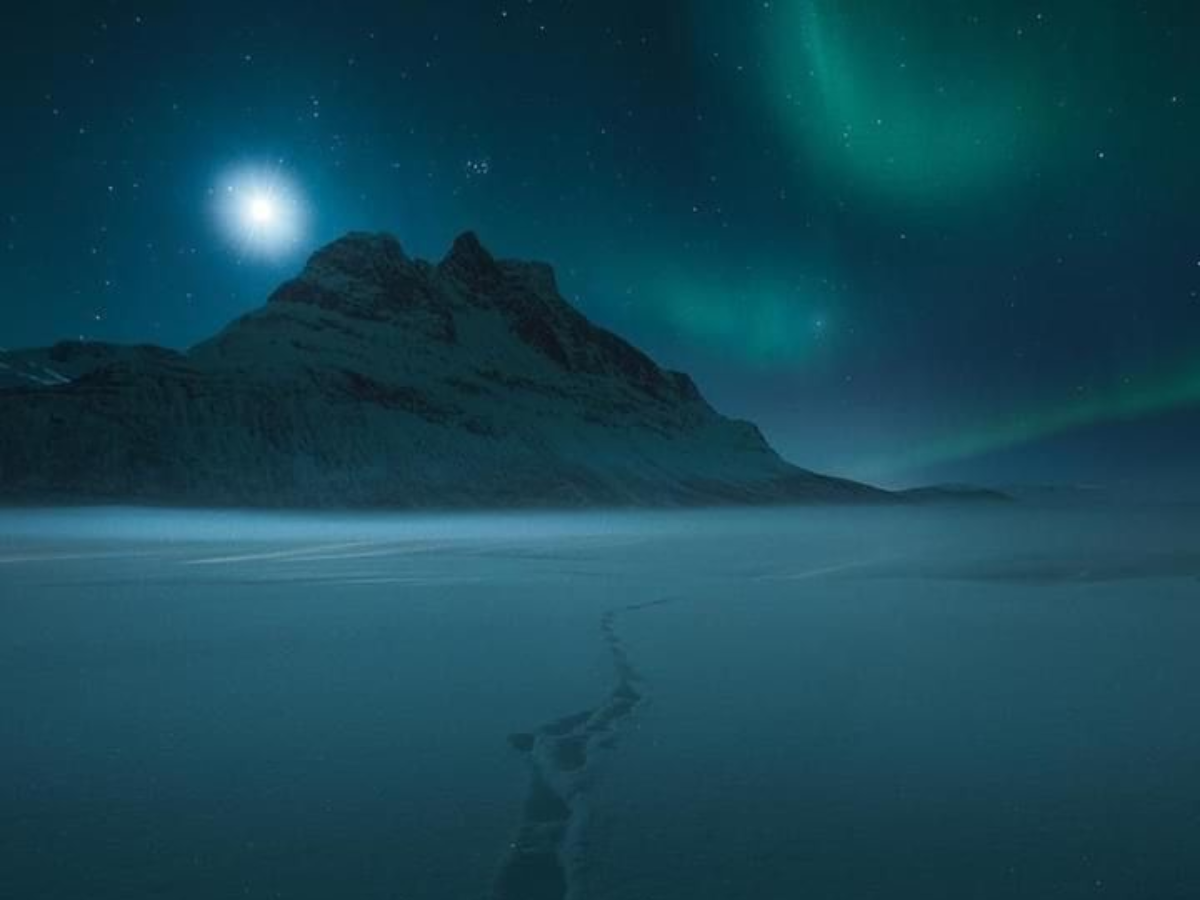
Antarctica is the southernmost continent of Earth and every year and it spends months enveloped in darkness thanks to the axial tilt of the planet and its unique position around the Sun.
Why Is Antarctica Dark for Six Months?
Antarctica is dark with its tilt the Earth is thus quite the disturbance at times. This means that for half the year in the austral winter, Antarctica is facing away from the Sun for the most part and there would have been the endless night over that continent. Then once summer came, it is having completely different live sunlight all day.
What Months Are in Total Darkness in Antarctica?
South Pole sees sunset around the March equinox and is totally dark until it rises again at the September equinox. That is basically six months with no light at all, and the darkness starts within about March 20 and goes through the middle of September, leaving station crews with one sunrise and sunset a year.
How Long Is Antarctica Without Sun?
Poles have long nights almost going up to six months during the season at the South Pole, it is certainly less at the coastal research stations like Concordia. True darkness will set in during early May and end late August there, which adds up to under four months.
Under that long stretch and daily life goes on in twilight or artificial lighting but such long nights provide an insight into how people cope in isolation.
Where in the World Does it Never Get Dark?
All places within the polar circles experience midnight sun. In Antarctica the South Pole gets to see six months of daytime from roughly the end of September to late March. In the Arctic places like Svalbard receive a similar experience stretching on for months with constant light.
ALSO READ: Life of a Comet: What Makes Comets Light Up Our Night Skies From the Kuiper Belt to Earth’s View
What is Nick Smith Study of the ESA?
The extreme environments present by research stations like Concordia have piqued the interest of space agencies. ESA’s Dr. Nick Smith spent a 1 winter there leading multidisciplinary research regarding human physiology, psychology, atmospheric physics, meteorology and astronomy during the dark months.
The extended duration of darkness and isolation makes Concordia a terrestrial reflection of space missions and provides data that is highly beneficial in preparing future astronauts for space travel.
What is impacts on Life and Science?
Months without sunlight create some effects on people and science. The crews of station are under the circumstances of disrupted circadian rhythms and emotional stress while rare phenomena that mostly take place in the atmosphere hidden from sunlight’s influence are observed by scientists.
The dark winter also poses logistical problems flights cannot operate safely, communication systems risk disruption and supplies must be meticulously managed. Almost four months of night and it really is long enough to simulate long-duration spaceflight conditions in a coastal station like Concordia.
ALSO READ: Science Behind Rainbows: Are They Disappearing from India | Complete Guide