
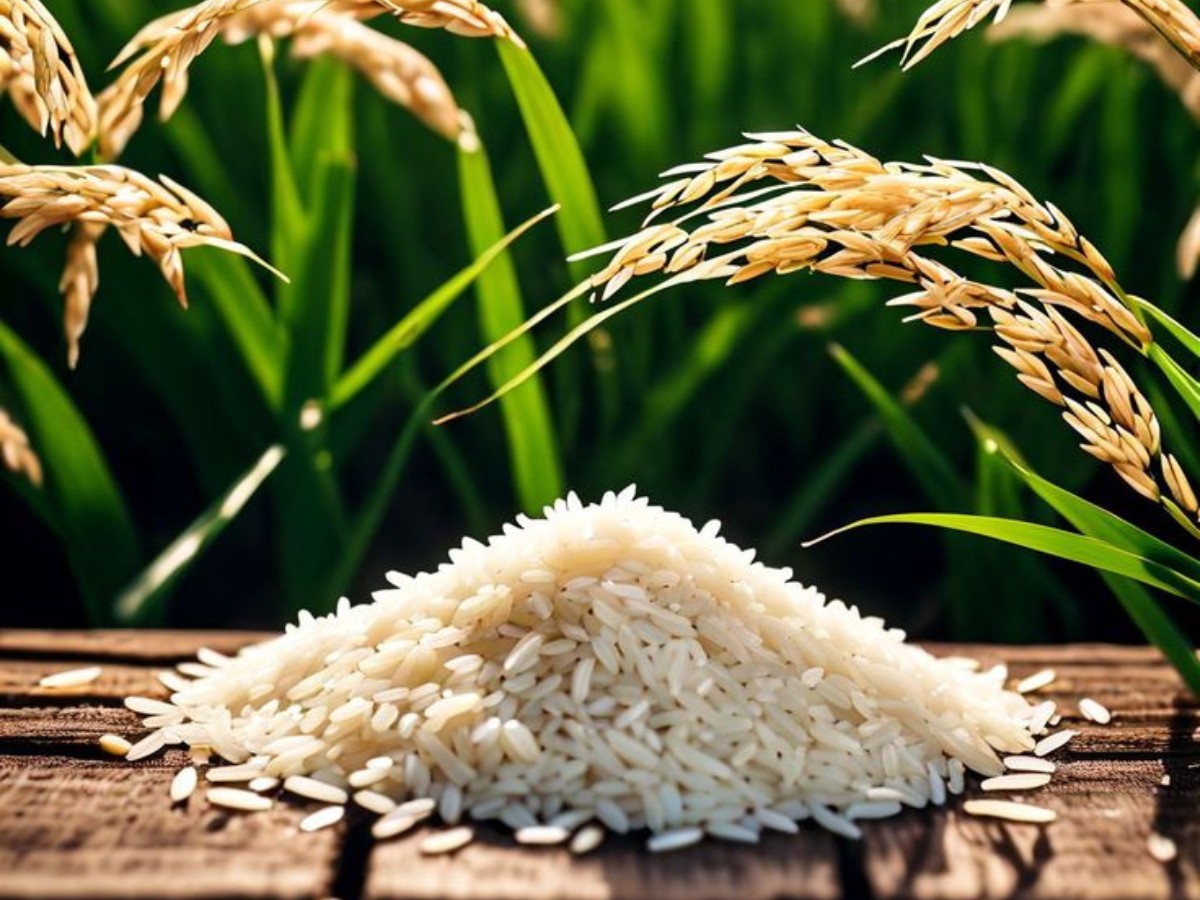
Rice is a scientifically recognized Oryza sativa is one of the world’s most fundamental food grains and nourishing more than half of the global population. Not only rice is a staple food it is a crop of remarkable agricultural, cultural and scientific significance with origins that date back to the ancient civilizations in Asia thousands of years ago.
What Is the Scientific Name of Rice?
The scientific name of rice is Oryza sativa which is the binomial nomenclature for the common Asian species of rice. This binomial system where the genus has a capital letter and the species does not was created by Carl Linnaeus during the 18th century.
It provides a worldwide naming convention under which botanists, agriculturalists and researchers everywhere can refer to the same plant unambiguously. When individuals around the world employ the name Oryza sativa they precisely understand which species of rice is being referred to.
ALSO READ: Why is the Sky Blue: The Science Behind Nature’s Most Beautiful Illusion
What Is the Family of Rice?
Rice is a member of the close Poaceae family or the grass family. Within this family two main species are grown Oryza sativa (Asian rice) and Oryza glaberrima (African rice).
Poaceae also comprises other important cereal crops like wheat, maize, barley and millet. These grasses have characteristics such as jointed stems and sheathing leaves that characterize the family and highlight its significance in worldwide food supply.
Where Did Rice Originate?
Archaeological evidence indicates that rice agriculture started many thousand years ago in present-day southern China, particularly in areas such as the Pearl River Valley. Rice cultivation gradually spread throughout Asia over the course of centuries and became firmly rooted in cultures and cuisines.
Today, the center of rice cultivation and consumption remains Asia with China and India together producing more rice than any other nations in the entire world.
ALSO READ: Amazon Great Indian Festival 2025: Up to 80% Off on Mobiles, Electronics & More
What is the Origin of Scientific Names?
The system through which living things are classified, binomial nomenclature was adopted by Linnaeus to eliminate confusion resulting from having numerous common names for one species. In this system each living thing is assigned a two-word name the genus (a group of closely related species) and the specific epithet (specifying the actual species).
For example, Oryza indicates the genus and sativa the species. This method ensures scientific clarity whether you are in Brazil or Japan, Oryza sativa points to the same rice plant without ambiguity.
How was the Domestication & Cultivation of Rice?
Early domestication of rice is traced back to central and eastern parts of China, between 7000 and 5000 BCE, where wild rice was first selected, planted and bred. Over time, other regions like India, Southeast Asia, Indonesia and Bangladesh developed their own traditions and local varieties.
ALSO READ: Missing ‘Mummy Ke Hath Ke Dal Chawal’? Try this Simple Recipe to Cure the Cravings | RECIPE
Today, Asia provides more than ninety percent of the world’s total rice production. Rice is further cultivated in lesser amounts in regions like South America, some parts of Europe, Australia and North America due to irrigation, cultivation and technology.
What is Rice Processing & Uses?
Rice after being harvested still carries its hard outer husk and yields what is referred to as paddy or rough rice. Milling does away with the husk and sometimes bran layers, yielding white rice but it also means losing lots of nutrients. Brown rice keeps its bran, retaining more protein, vitamins such as B-complex and minerals. Parboiling steaming the paddy prior to milling allows for retaining more nutrients even post-milling.
There is also fortified rice with supplementary micronutrients being utilized to counteract deficiencies in diets that are strongly based on white rice. Rice is not only a staple cereal but also in foods like rice flour, sweet rice meals, animal feed and even industrial applications like starches and biofuels.
ALSO READ: When the Sky Dances: Science Behind the Northern Lights