
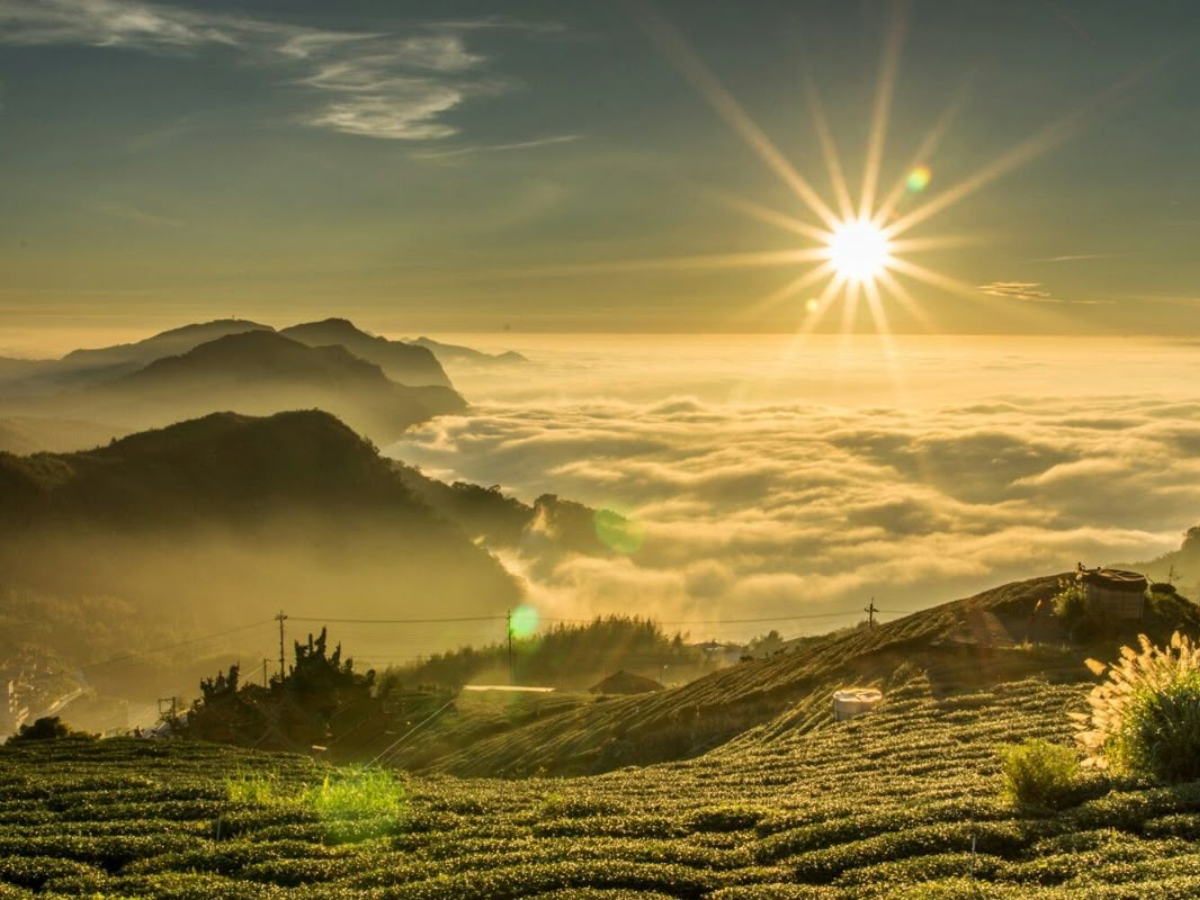
The Sun is the silent engine behind each living system on our planet: warming the oceans, driving the seasons and keeping ecosystems running. And when scientists warn that even a slight drop in its output could reshape life on Earth, it is not a flight of speculation it is physics.
That concept has gotten new cultural attention in the movie Project Hail Mary, which envisions an astronaut’s mission to find out why the Sun is losing its brightness. But outside the realm of fiction, the question is one that is profoundly unnerving. What if the light that nurtured life on Earth were to start to fade?
How Small Changes Trigger Massive Consequences
The Earth relies on just the right amount of sunlight reaching its surface. If the Sun becomes dim for even a moment, temperatures start to decline.
Most organisms can survive short disruptions, but prolonged dimming would chip at ecosystems bit by bit. Deep sea life may last for a while most of the sun dependent organisms, the fall would be a steep one.
Humanity at Immediate Risk
Humans would bear the brunt first. A cold world signifies colder winters, an unstable climate, and a desperate battle to keep warm. Early on, heating systems could work, but as temperatures fell further worldwide, underground shelters or enclosed habitats might become necessary to ensure survival. The world would be cold, darker and more difficult to traverse.
ALSO READ: Elon Musk Honors Indian Nobel Winner Chandrasekhar in Son’s Name
Food Systems Collapse
Plants would come next: with less sunlight, photosynthesis would slow and eventually stop. Fields would fail. Forests would weaken. As the plant life dies, herbivores would lose their supply of food and predators would fall soon after. It would be a slow domino effect that brings most of the animal kingdom down with it.
If the Sun Fades Slowly
A gradual dimming would not wipe out life right away, but the world would be steadily pushed toward scarcity. Crop yields would fall year after year. Climate systems would shift unpredictably. Humans might adapt for a time, but past Ice Ages show how even small declines in sunlight can transform the planet into a frozen world.
ALSO READ: December Night Sky 2025: Major Moon Events & Planet Viewing Guide
If Sunlight Disappears Overnight
A sudden blackout would be a different scale of disaster altogether. Eight minutes after the Sun goes dark, Earth would fall into shadow. The temperature would crash. Oceans would freeze from the top down.
Gravity shifts could even change Earth’s orbit, sending the planet drifting through space. Almost all life would be gone in days or weeks.
What is the Science Behind a Planet in Peril
The science behind a planet in peril comes down to how dependent Earth is on the Sun’s energy. Even a small drop in sunlight cools the atmosphere, slows photosynthesis and disrupts weather patterns. As temperatures fall, plants struggle, food chains collapse and ecosystems begin to break down.
A rapid dimming would be even worse, sending Earth into a deep freeze within days. Our planet’s stability relies on a steady flow of solar energy and any significant shift can trigger a chain reaction that threatens all life.
ALSO READ: Qatar Opens Hajj 2026 Registration: New Rules, Quota & How Indians Can Register Online
Disclaimer: This article explores a hypothetical scientific scenario and is intended for educational and informational purposes only.