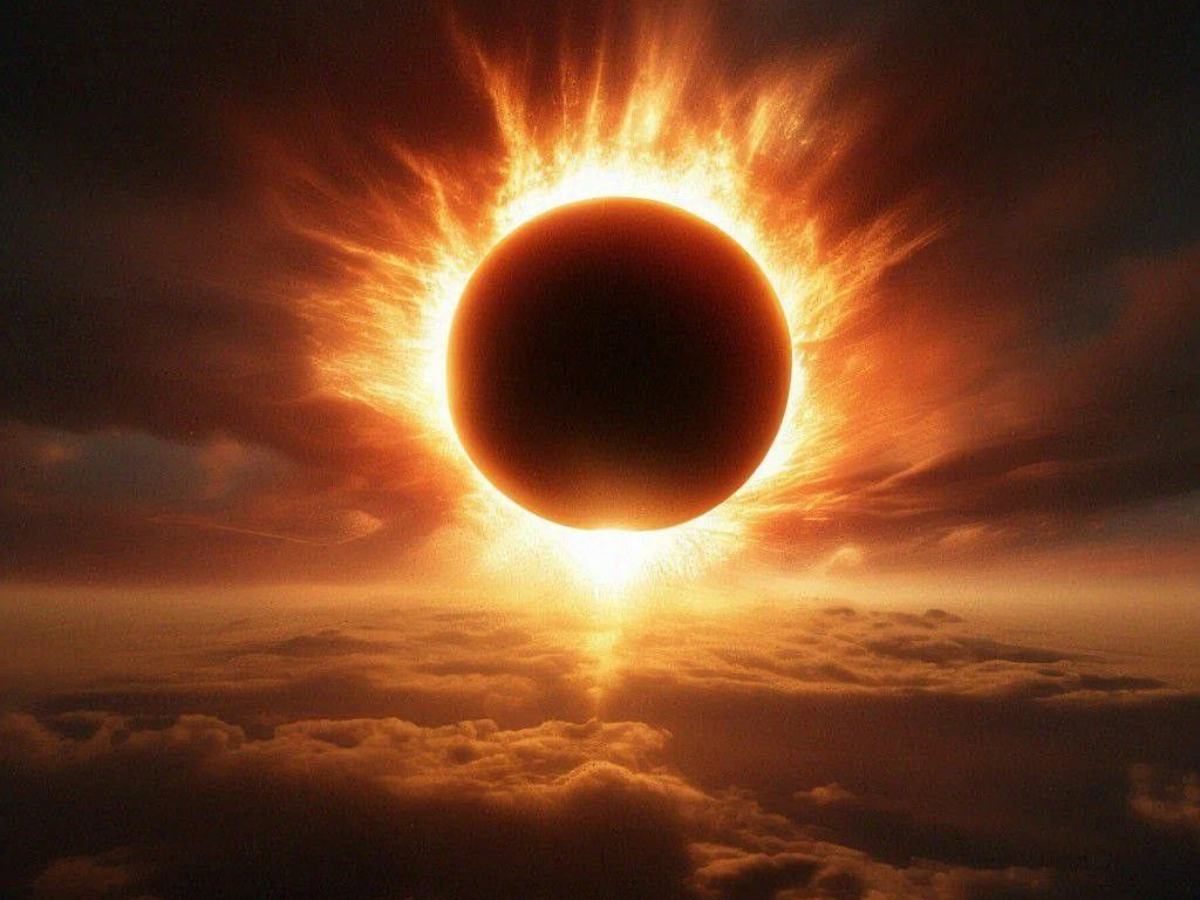
The Soalr eclipse visible on 21 September, 2025 begins around 17:29 UTC (10:59 pm IST), maximum at 19:41 UTC (1:11 am IST) and ends at about 21:53 UTC (3:23 am IST). An overall duration of about 4 hours 20 or 25 minutes but it can vary depending on your location. There are zones and limits for watching where these eclipses can be seen.
When is Solar Eclipse?
A solar eclipse takes place when the moon passes in between the earth and the sun partially or entirely blocking sunlight. It occurs generally on yearly basis about two to five times worldwide, but they do not occur everywhere on earth. Such an occultation can either be partial, total or annular depending on the alignment and distances between celestial bodies.
What are Effects of Eclipse on Body?
Throughout history, various cultures have believed that eclipses affect health and emotions of humans. Some people report having headaches, fatigue or heightened emotionality during an eclipse while others have attributed the incidence to spiritual cleansing or disturbance.
The modern science has not found direct physiological effects caused by solar eclipses on the human body but psychological and environmental changes might affect how people perceive such occurrences.
ALSO READ: Solar Eclipse 2025: When Exactly Is Surya Grahan—September 20, 21 or 23?
How to do Eye Safety during Solar Eclipses?
Staring without protection at a solar eclipse could inflict considerable injuries in the eye and permanent damage to its retina. The ordinary sunglasses will give insufficient protection and a certified pair of eclipse glasses an indirect method such as pinhole projectors are necessary to ensure that one’s eyesight is protected while witnessing these events.
It increases eye injury during the eclipses as people tend not to consider the risks of looking into the sun.
What are Psychological & Emotional Responses on Solar Eclipse?
Solar eclipses are provoking emotional reactions and wonder to anxiety or fears, depending on cultural and individual belief backgrounds. Their rarity and exciting nature often amplify connectivity or spiritual reflection. These reactions are real phenomena that are significant but perceived and not physical instigators.
ALSO READ: Solar Eclipse 2025: Will the US See the September 21 Partial Eclipse | Check Visibility Details
Debunking the Common Myths
Eclipses have had common myth beliefs that they cause the person who views them illness, miscarriage and bad luck. Research in the scientific field disproves all these issues. None of these has tangible evidence proving causes of ill-health related to eclipses. These are results of inherited misconceptions and wrong fears mostly from ancestors rather than observable things.
What Brings Up the Myths Regarding Eclipse Illness Risks?
The myth about eclipses which is born out of a mixture of cultural stories and limited scientific knowledge previously coupled with human tendency to explain the unknown with superstition.
This has also happened coincidental health changes that accompanied the eclipses were mistakenly attributed to them. Campaigns promoting education and awareness have done much in minimizing such ignorance while others still remain.
ALSO READ: Solar Eclipse September 2025: Date, Safety Tips & What Pregnant Women Should Know