
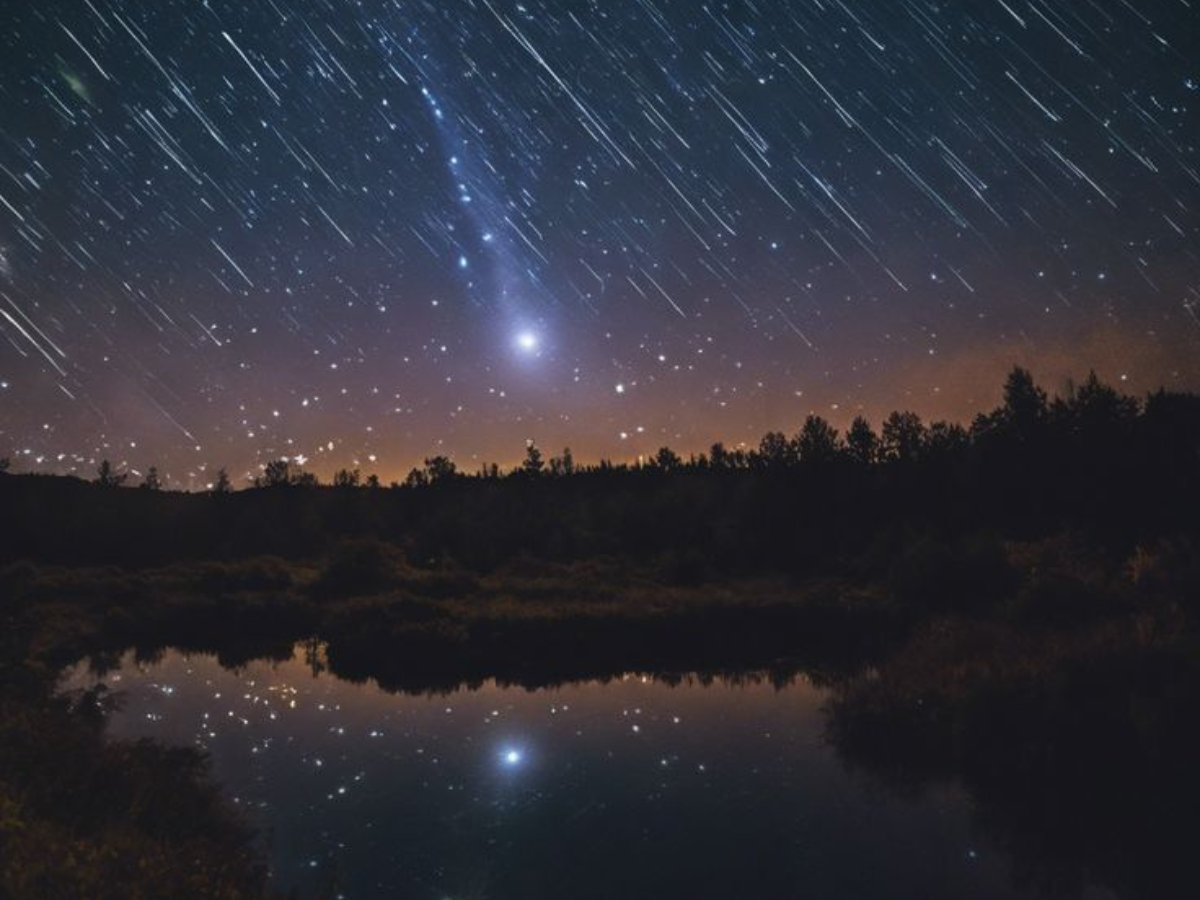
Beyond the shooting stars, astronomers around the world anticipate with the return of meteor showers to light the starry sky. The Orionids constitute one of the faster and brighter meteor showers visible from many parts of the globe. This space theater provides an enticing view of space debris burning itself away as it enters the atmosphere of the Earth.
What Are the Orionids?
Orionids are well-known for their rapid streak of light that moves in the sky at a speed of some 66 km/h (41 miles/second). They are remnants from the famous comet Halley with particles that burn on entry into the atmosphere forming bright streaks of light called fireballs outperform the brightest of planets Venus.
Where Do the Orionids Come From?
The Orionids are originate from Halley’s Comet, a space body that comes once in about 75 years though the comet itself will not return until the year 2061, Earth crosses into the debris left behind each year. The particles of sizes varying from grains of sand to marble, collide with our atmosphere, igniting and leaving the long and bright streaks that we see as meteors.
ALSO READ: Will Aliens Arrive on October 29? Scientists Decode 3I/ATLAS
How Can the Orionids Be Observed?
The Orionids look towards the constellation Orion after midnight, since the meteors appear to radiate from this side of the sky near the Belt of Orion, distinguished by three conspicuously aligned stars. It seek for the most rewarding location, such as one far from city lights with a clear and open expanse of sky in some high terrain overlooking the surrounding area. Do not apply a telescope or binoculars these meteors are bright enough to view with just their naked eyes.
Will the Sky Be Clear in the UK?
Conditions for viewing vary considerably with the ever-changeable UK weather. The latest forecasts suggest some clouds and rain but by the later part of the week, clearer skies are expected providing good opportunities to observe the meteor shower. Also, the absence of any moonlight will work to enhance visibility around the new moon phase this October and meaning the reduced light pollution in the sky.
ALSO READ: Comet C/2025 R2 (SWAN): How to See Rare Sky Event on October 21 Are The Orionids Visible Around the World?
Yes, the Orionids are visible from both hemisphere with the view changes according to your location. According to experts, you should lie on your back facing southeast in the northern hemisphere or northeast in the southern hemisphere, allowing your gaze to be comfortable and absorb the meteor action.
Upcoming Meteor Showers
- Southern Taurids: November 4-5
- Northern Taurids: November 11-12
- Leonids: November 16-17
- Geminids: December 13-14
- Ursids: December 21-22
Upcoming Supermoons
Two supermoons will embolden the night sky late this year and this will start with the Beaver Moon on November 5, followed by the Cold Moon on December 4. These full moons put forth a pronounced effect, being larger and brighter because of their closeness to the Earth while at the same time getting illuminated by the meteor displays.
ALSO READ: Blood Moon Rising: Everything You Need to Know About the 2025 Lunar Eclipse
Disclaimer: This article provides general astronomy information, weather and visibility may vary. Always check local conditions before skywatching.