
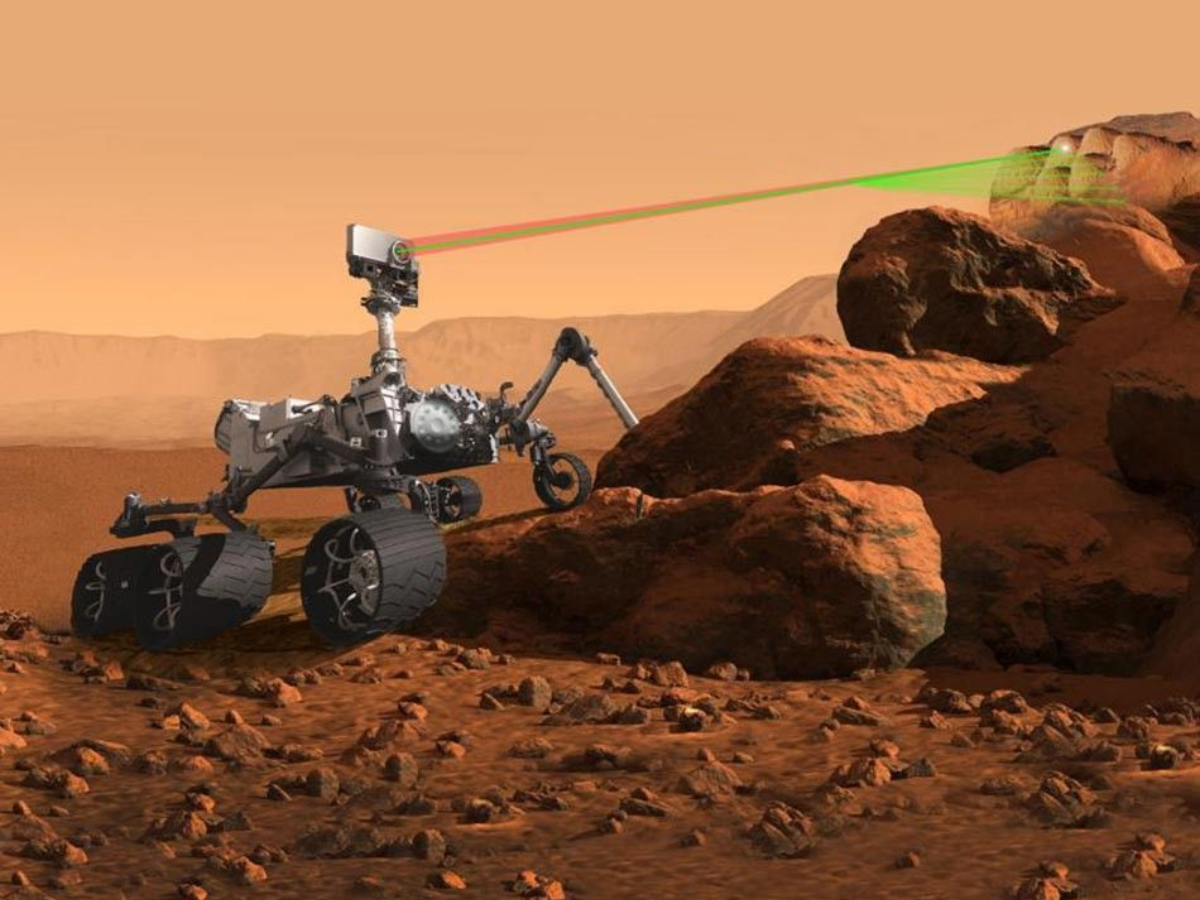
NASA’s Perseverance rover may have the best evidence ever for the possibility that life once thrived on Mars and was microbial. In the latest sample of Martian rock Sapphire Canyon taken from the ancient Jezero Crater there are potential chemical biosignatures.
What is Sapphire Canyon & Why Does it Matter?
The sample under debate was taken from a layer referred to as Cheyava Falls within the Bright Angel region of the Jezero Crater. This region would once have had flowing rivers, and the rock contains chemical characteristics typically attributed to life like organic carbon, iron oxides, sulfur and phosphorus. They are all typically engaged within the cycles of life on our planet.
The scientists discovered small leopard spot deposits of vivianite and greigite minerals on our planet more typically associated with microbial life and decay of organic matter. Even though the minerals could form through abiotic processes as well the lack of intense heat or acidity within the layers of the rocks renders a living source more probable.
ALSO READ: How Were Black Holes Discovered: 240 Year Journey from Dark Stars to Reality
Why This Discovery Surprised Scientists?
Lead author of the journal article released in Nature Joel Hurowitz was shocked that there was biosignature like evidence within relatively young rocks. “We were looking for signs of life within rocks that were much older,” he affirmed.
That can mean Mars could have sustained life for longer than we first thought and it could redefine the era of the Red Planet itself. The discovery suggests there might have been Martian water after the planet’s early phase of warmer climates. Then the window for life to develop and possibly exist for longer intervals might have been wider than originally estimated models indicated.
Are These the End Signs of Life?
NASA scientists are urging caution although the indicators seem promising, the evidence falls short of the great standard needed to establish alien life. “Extraordinary claims require extraordinary evidence,” NASA Perseverance deputy project scientist Dr. Katie Stack Morgan explained further. The results still have to consider the possibilities for non-living geological processes, and the confirmation is needed.
ALSO READ: Did ‘Oumuamua Originate from an Ancient Exo-Pluto: Scientists Suggest
In assisting with such an evaluation that scientists use templates such as the CoLD scale (Confidence of Life Detection) and the Standards of Evidence protocol both of which measure just how probable it is that the biosignature actually signals true life and not a false positive.
Earth Return Mission & Future Investigation
Sapphire Canyon is among the 27 core samples Perseverance collected because the rover landed inside Jezero Crater in 2021. The rock samples would eventually be returned on a future Mars Sample Return mission back on Earth. In the laboratory back home, advanced analysis could for the first time ascertain definitely whether life initially existed within Mars.
The rover is keeping busy monitoring Martian weather, field-testing materials for next-generation spacesuits and investigating the Red Planet geology. Managed by NASA’s Jet Propulsion Laboratory under Caltech and the Perseverance mission remain at the very center of the agency’s generations-long ambitions for Mars exploration.
ALSO READ: Solar Eclipse 2025: Do’s & Don’ts You Should Know