
NASA is completing all preparations needed for long-duration space travel as humans really take their last steps towards the red planet.
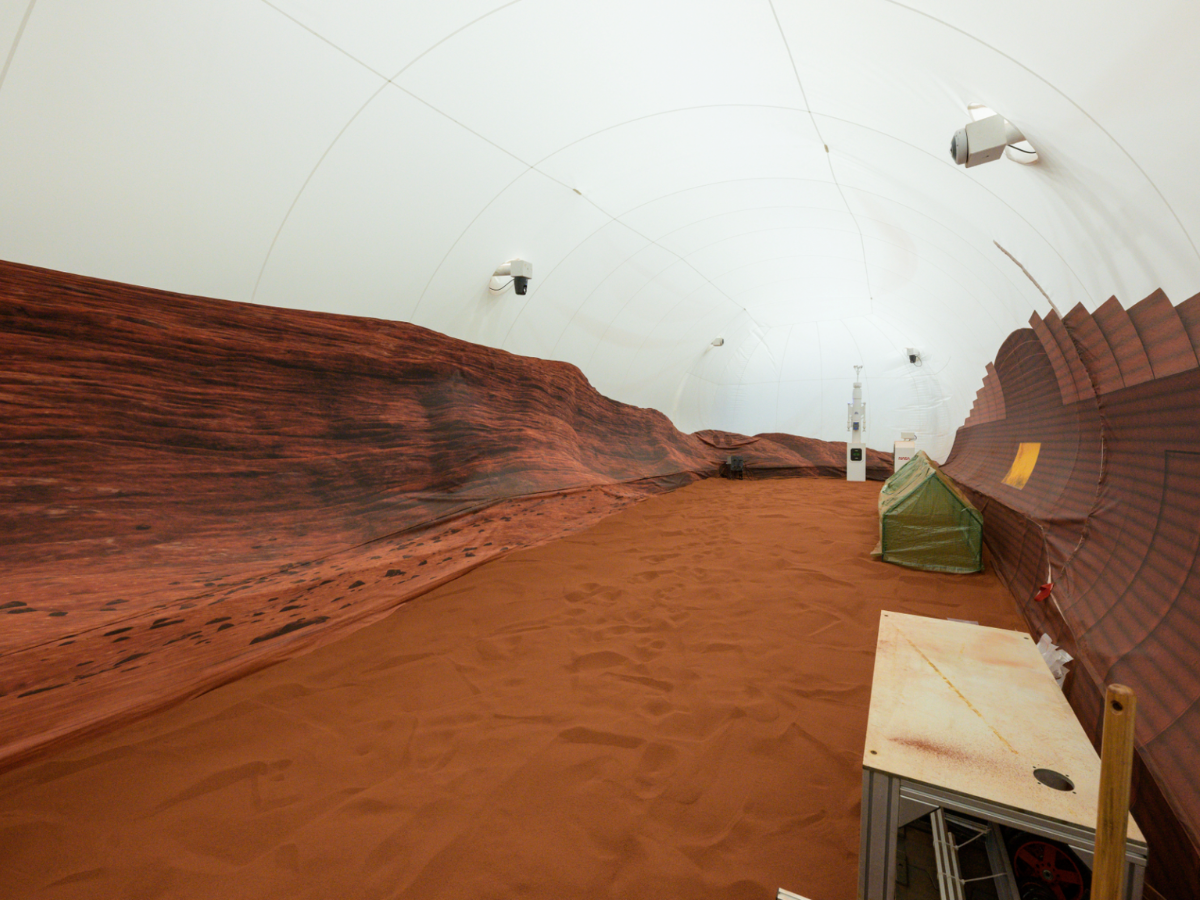
On October 19, 2025, four selected volunteers will begin a full year inside a Mars simulation habitat at NASA’s Johnson Space Center, Houston. This Earth based mission is designed to mimic life on the Red Planet and help chart a safe course for future interplanetary missions.
Inside CHAPEA: Testing Human Limits on a Simulated Mars
Stronger than a mock mission this project under the very mouthful title CHAPEA (Crew Health and Performance Exploration Analog) will put crew members Ross Elder, Ellen Ellis, Matthew Montgomery and James Spicer through the physical and psychological simulates expected to be found on Mars like communication delays, limited resources, broken equipment and total isolation for 378 days concluding their mission on Oct. 31, 2026.
ALSO READ: Who is Amit Kshatriya? NASA’s Associate Administrator and COO Shaping Space Mission
They will live in a 1,700 square foot, 3D-printed habitat called Mars Dune Alpha and simulating conditions that NASA will be gathering essential understanding about how isolation and extreme conditions influence human performance.
What are Crew Duties from Mars Walks to Growing Greens?
The team won’t be simply sitting about they will be mimicking actual Martian tasks. Simulated Mars walks, robotic operations, equipment testing and even cultivating a vegetable garden are on the agenda. They will also evaluate space-specific tools like a potable water system and diagnostic medical devices all vital technologies for future missions to the Moon, Mars and beyond.
This hands-on approach helps NASA assess which systems best support life and work in space without constant Earth support.
ALSO READ: NASA’s Bennu Asteroid Reveals Stardust Older Than the Sun, Revealing Early Solar System
Why This Mission Matters for Mars?
According to Grace Douglas, chief investigator of CHAPEA, the mission’s end will yield deep insights on how isolation over the long haul and scarce resources a lot would be more different from other long-term missions that have been previously conducted under earth. NASA wants that much data so that they can design systems and protocols whereby future astronauts spend over a year wholly healthy and productive miles away from Earth.
This is NASA’s second such simulation and the first wrapped up in July 2024. The learnings from these missions form the scientific bedrock of NASA’s Artemis and Mars programs.
While such tests are conducted on earth and they can be defined as preparatory steps for great strides into deep space. By pushing the confines in controlled cases and NASA indeed is laying the ground for life outside Earth not just to visit but to stay.
ALSO READ: Don’t Miss the Planet Parade and Blood Moon in September 2025