
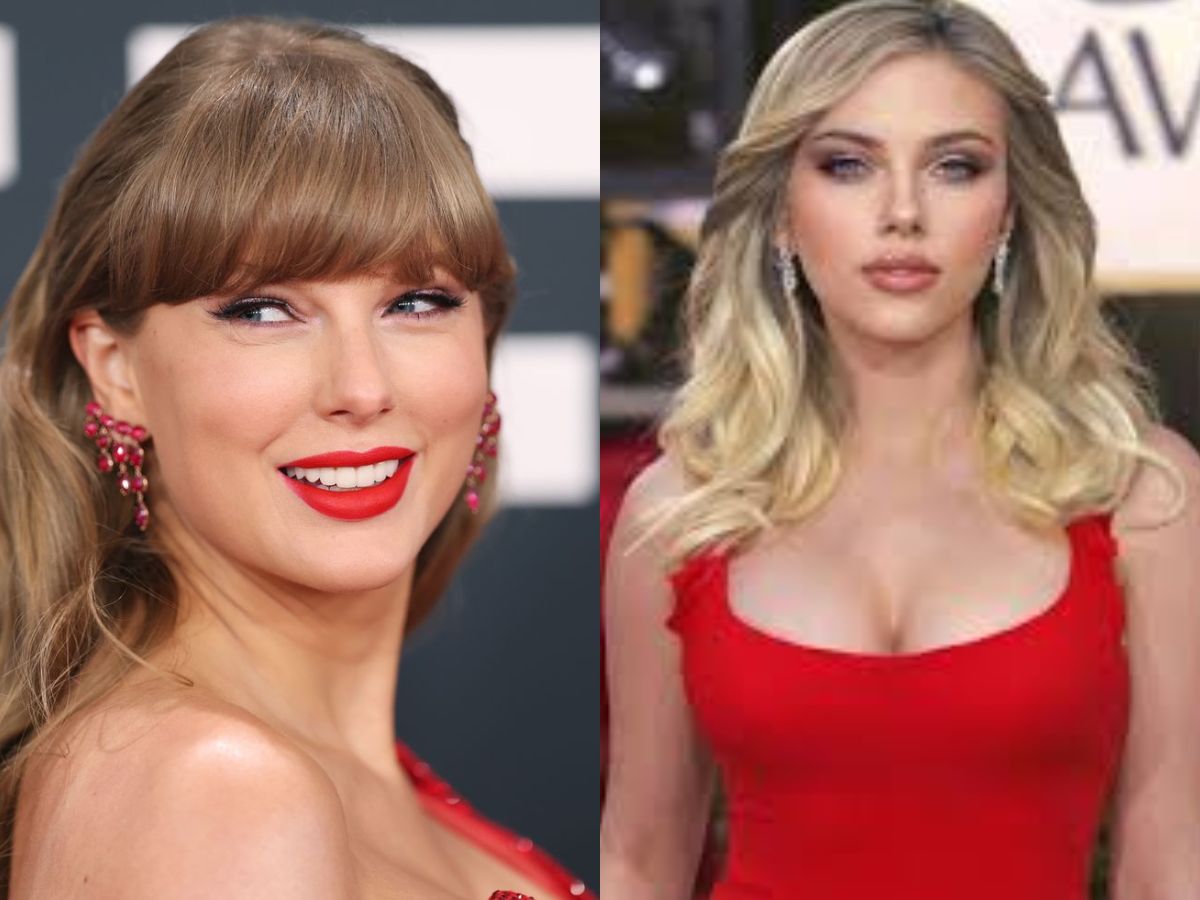
Meta has been found to use the names and likenesses of celebrities including Taylor Swift, Scarlett Johansson, Anne Hathaway, and Selena Gomez to create numerous flirty social-media chatbots without their consent, according to a Reuters investigation. While many of these bots were made by users through Meta’s chatbot-building tools, Reuters discovered that at least three were directly created by a Meta employee, including two “parody” bots of Taylor Swift.
Child Celebrities Targeted
Reuters also found that Meta allowed users to create publicly accessible chatbots featuring child celebrities. For instance, a chatbot of 16-year-old actor Walker Scobell produced a lifelike, shirtless image of the teen when prompted. Meta’s platforms, including Facebook, Instagram, and WhatsApp, hosted all of these virtual celebrities.
Bots Behaving Risqué
During testing over several weeks, Reuters observed that the AI-generated avatars often claimed to be the real celebrities and frequently made sexual advances, sometimes inviting users to meet in person. Adult chatbots could generate photorealistic images of the celebrities in intimate or provocative poses, including in lingerie or in bathtubs, while child celebrity bots raised serious ethical concerns.
Meta Responds
Meta spokesperson Andy Stone told Reuters that the company’s AI tools should not have produced intimate images of adult celebrities or any images of children. He blamed the creation of sexualized avatars on failures to enforce Meta’s own policies, which prohibit nude, intimate, or sexually suggestive content. Stone explained that while Meta permits public figures to be used in AI-generated images, they are intended to be parodies. However, some bots were shared without proper labeling. Meta reportedly deleted about a dozen bots prior to the publication of the Reuters report.
Legal and Ethical Concerns
Stanford law professor Mark Lemley noted that California’s “right of publicity” laws prevent using someone’s name or likeness for commercial gain without consent. Since the bots primarily replicated celebrities rather than creating entirely new works, they may not qualify for legal protections. Representatives of some celebrities, including Anne Hathaway, confirmed awareness of such AI-generated images and are considering responses, while others, like Swift, Johansson, and Gomez, did not comment.
Broader Industry Context
Deepfake AI tools are widely available, and at least one of Meta’s competitors, Elon Musk’s Grok, also produces sexualized images of celebrities. Meta’s approach embedding AI-generated companions across its social platforms sets it apart from competitors and raises serious safety and ethical questions.
Risks to Celebrities and Users
SAG-AFTRA executive Duncan Crabtree-Ireland highlighted that AI chatbots mimicking real celebrities could create safety risks, as fans may form obsessive attachments to the digital personas. He stressed that stalkers already pose security threats, and AI duplicates of voices and likenesses could exacerbate this. SAG-AFTRA advocates for federal legislation to protect performers’ voices, images, and personas from AI misuse.
Meta Employee-Generated Bots
One Meta employee created chatbots impersonating Taylor Swift and British racecar driver Lewis Hamilton, some of which were sexual in nature. These bots collectively had more than 10 million user interactions before being removed. Reuters noted that the Taylor Swift chatbots flirted with users and invited them to meet the singer in-person, including at her home and tour bus.
Previous Controversies
Meta has faced criticism before for the behavior of its AI chatbots. Internal guidelines once suggested it was acceptable for bots to engage in romantic or sensual conversations with children, prompting a U.S. Senate investigation and a letter signed by 44 attorneys general. Stone told Reuters that Meta is revising the guidelines, noting that the content allowing romantic interactions with children was an error.
Also Read: Meta Under Fire: AI Chatbot Rules Spark Outrage Over Inappropriate Interactions With Minors