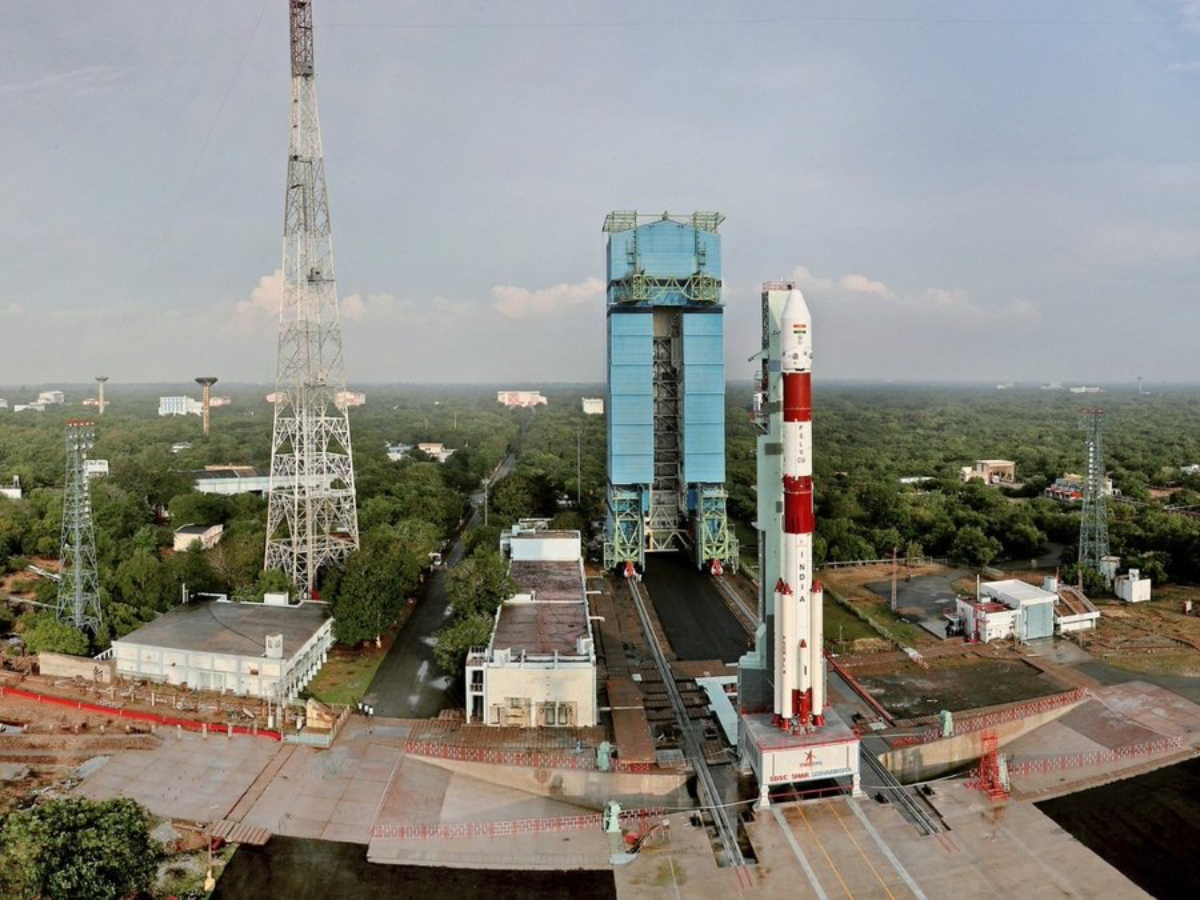
India’s space ambitions are quietly entering a new phase. The Indian Space Research Organisation is preparing to add a third launch pad at Sriharikota, a move that reflects how rapidly the country’s launch requirements are changing. As satellites grow heavier and missions more complex, existing infrastructure is nearing its limits.
Responding to Bigger Missions
Modern satellites demand stronger lift capability and more flexible launch schedules. ISRO’s plan to build a third pad directly addresses these pressures. The new facility is expected to support payloads exceeding 14,000 kilograms, allowing the agency to handle next-generation spacecraft without compromising safety or timelines. This expansion is less about symbolism and more about keeping pace with engineering reality.
ISRO’s Planning & Timelines
Officials at the Satish Dhawan Space Centre have confirmed that the project is expected to be completed within four years. Early groundwork is already underway, with technical planning and internal assessments shaping the project’s scope. The focus, according to ISRO leadership, is on building infrastructure that meets demanding performance standards rather than rushing construction.
ISRO’s Vendors & Procurement
The agency has entered the procurement phase, seeking experienced vendors capable of supporting a large-scale, high-precision build. Selecting the right partners will be critical, as launch pads must operate under extreme conditions with zero margin for error. Each component, from fuel systems to safety mechanisms and must integrate seamlessly into ISRO’s existing launch ecosystem.
ALSO READ: Google Ends a 20-Year Gmail Rule: You Can Now Change Your Email Address | Why Google is Finally
Why Sriharikota Matters
Sriharikota’s value goes beyond geography spreading across 175 square kilometres along India’s east coast, it has been the backbone of the country’s space programme for decades. From communication satellites to deep-space missions, the site has supported a wide range of launches. A third pad will strengthen its role as a regional launch hub for both Indian and international clients.
A Broader Strategic Shift
This expansion signals Isro’s intent to remain competitive in a global market that increasingly favors heavy-lift capabilities and tight launch windows. Additional infrastructure will ease scheduling bottlenecks and reduce dependence on limited launch slots.
It reflects an agency adapting steadily rather than reacting late as the space economy evolves, Sriharikota’s next chapter appears focused on readiness, scale and sustained relevance.
ALSO READ: How to Change Your Gmail ID Without Creating a New Account? Step-by-Step Guide, Changing Rules
Disclaimer: This article is based on official statements and publicly available reports and reflects developments as announced by Isro at the time of writing.