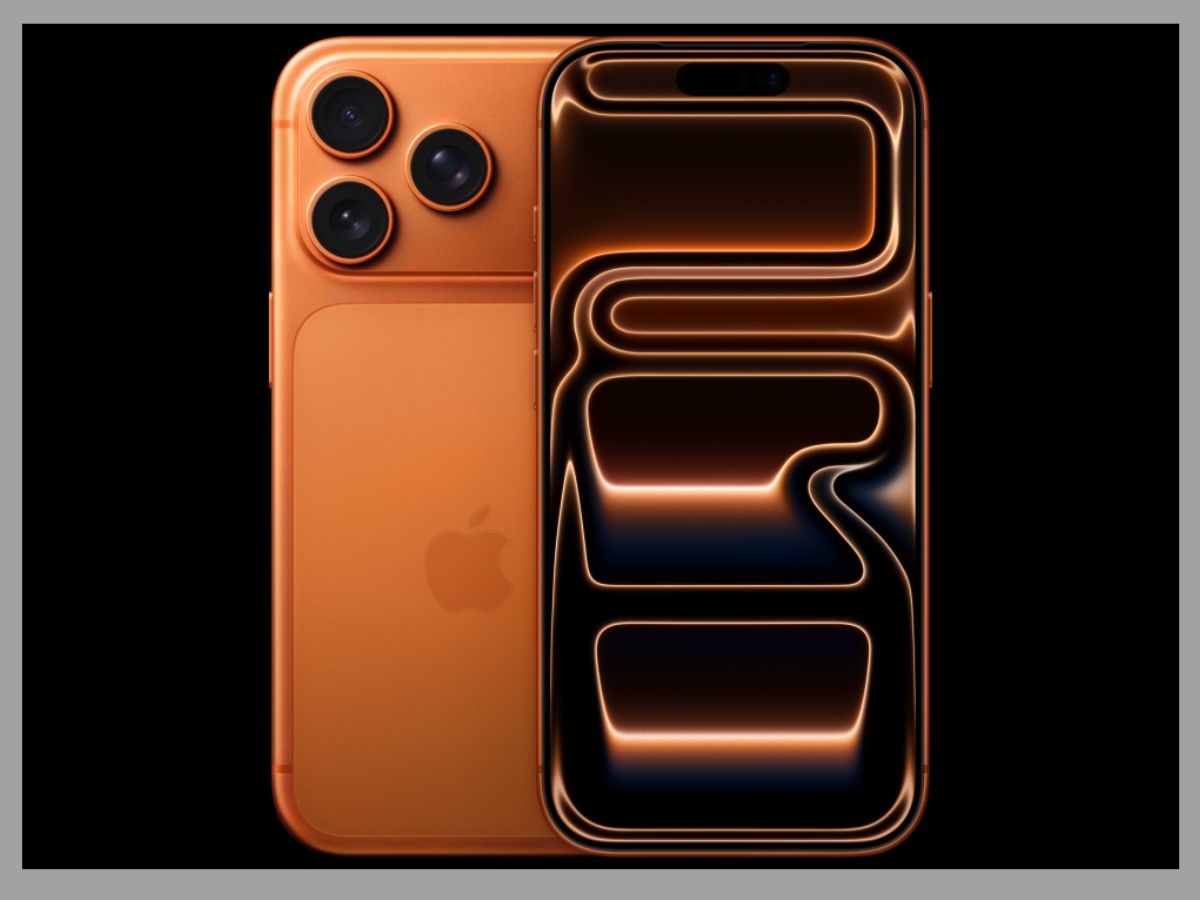
Apple has launched the new iPhone 17 series with a big change—eSIM-only models in select countries. The lineup includes the iPhone 17, 17 Pro, 17 Pro Max, and the ultra-thin iPhone Air. The iPhone Air is Apple’s first phone that is eSIM-only worldwide, with no option for a physical SIM card.
This move shows Apple’s push to drop physical SIM cards and move towards a fully digital experience.
iPhone 17 Series Expands eSIM Use
The iPhone 17, 17 Pro, and 17 Pro Max will be sold as eSIM-only models in 12 countries. In these regions, there will be no version with a physical SIM slot.
The 12 countries are:
- Bahrain
- Canada
- Guam
- Japan
- Kuwait
- Mexico
- Oman
- Qatar
- Saudi Arabia
- United Arab Emirates
- United States
- US Virgin Islands
In other countries, Apple will still sell hybrid models that support both nano SIM and eSIM.
ALSO READ: iPhone 17 Series on Sale From Sept 19 in India: Prices, EMI Options, Availability, & Offers
iPhone Air: First Global eSIM-Only iPhone
The iPhone Air is the star of the new lineup. At only 5.64mm thick, it is Apple’s thinnest smartphone so far. To make it so slim, Apple removed the SIM tray completely.
Unlike other models, the iPhone Air is eSIM-only everywhere in the world, which means all users must rely only on digital SIM profiles.
Why Did Apple Remove Physical SIMs?
Apple explained that removing the SIM slot saves important internal space, which is necessary in very thin phones like the iPhone Air.
The company also wants to simplify connectivity and reduce reliance on physical parts. eSIM technology makes it easier to switch carriers and use multiple numbers without carrying physical SIM cards.
But this change may be a problem for people who travel often or are used to swapping SIMs between devices.
ALSO READ: Gemini AI Photo Trend: Easy Prompts to Make Polaroid-Style Pics with Celebrities
Apple’s Market Strategy
Apple has taken different approaches depending on the country. In China, the iPhone 17, 17 Pro, and 17 Pro Max only support nano SIMs because eSIM is not widely allowed yet. But the iPhone Air is still eSIM-only everywhere.
In countries where eSIM is still new, Apple continues to provide models with both nano SIM and eSIM, giving users more flexibility.
Is This the End of Physical SIMs?
Apple is clearly serious about using eSIM, as seen with the iPhone 17 series. In the coming years, more countries are likely to get eSIM-only iPhones as mobile companies improve support. Other smartphone brands may also follow Apple, which could slowly bring an end to physical SIM cards.
ALSO READ: Apple Rolls Out iOS 18.7 as an Alternative to iOS 26: All You Need to Know