
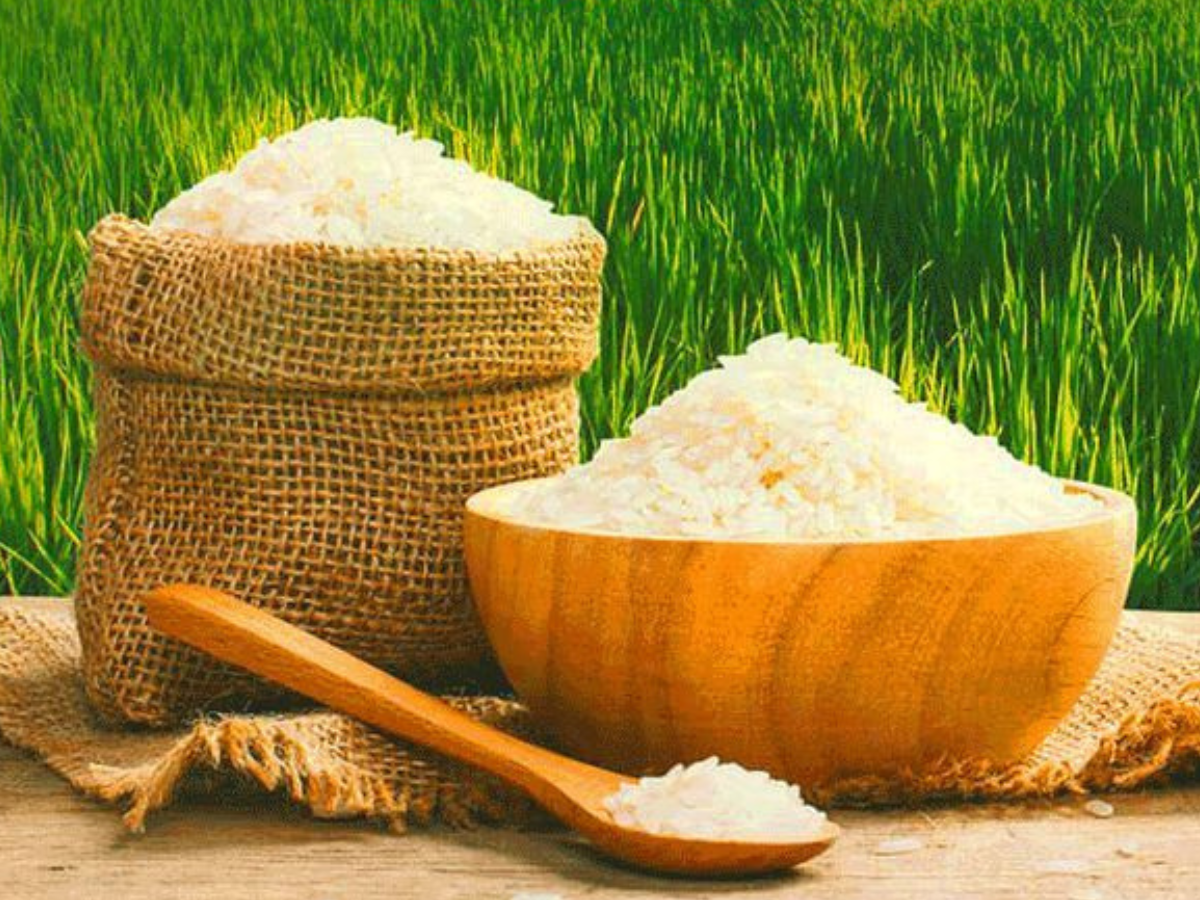
The consumption of rice is more than half the population in the world as a food staple and calories mostly in Asia. It is energy dense for daily activities, being rich in carbohydrates and forms the basis of many culinary traditions around the world.
Beyond nutrition, rice impacts the economies of rice-producing countries where it provides multiple livelihoods from farming to exportation and sustains billions of people in an increasing contribution to global food security.
Which is largest Producer of Rice in the World?
China produces around 208.49 million tons of rice every year and making it world leader in rice production. This huge output is very important in meeting the food demands of its enormous population most of the rice grown in this country comes from southern and eastern provinces where the climate is conducive for paddy cultivation.
With the application of advanced techniques for irrigation and high-yield varieties of rice, China has strengthened its position as the rice producer worldwide, with rice being an important component of the agricultural economy.
ALSO READ: Do Carrots Really Improve Night Vision? Myth vs Fact
What is Worldwide rice production by the year 2025?
In 2025 global rice production is expected to amount to approximately 515 million tons and this indicates a steady upward trend in production as countries increase their rice output to keep up with the global population growth.
The fulfillment of this is expected from top rice producers such as China, India, Indonesia, Bangladesh and Vietnam in the succeeding years. If rice consumption remains at an all-time high, significant issues have started cropping up against the environment as well as the need for increased water management in paddy fields worldwide in rice production.
What is Rice Production in India 2025?
India is the second-largest producer of rice in the world, with an estimated production of 196.25 million tons annually with largest rice-producing states in India include West Bengal, Uttar Pradesh, Punjab, Andhra Pradesh and Tamil Nadu.
With population growth rice production is expected to remain at levels comparable to those of the present year through 2025. The country is also one of the largest exporters of Basmati rice, popular for its fragrance and long grain. As the climate change makes agriculture farming more difficult and India would likely invest in advanced farming technologies improved irrigation systems to protect rice yields.
ALSO READ: What is the Scientific Name of Rice? Meaning, Origin & Importance
What is Rice Production in Asia 2025?
Asia takes center stage in rice production with southeast Asia benefits of such favorable tropical conditions allowing it to have two or even three harvests a year. The Rice cultivation is economically and nutritionally vital for localities like Mekong Delta in Vietnam and the plains of Bangladesh and Asia’s population rises would the demand for rice.
Facts About Rice Production
- Rice is the daily food of 3 billion persons and makes the crop one of the most important in the world.
- Countries such as Thailand, Vietnam and India have exported millions of tons of rice every year to feed other parts of the world.
- Rice usually grows in a paddy-field flooded with water and which requires large water quantities.
- Rice is grown in the tropical and subtropical regions.
- The Modern equipment and high-yield seed varieties are used to boost efficiency and reduce labor costs in countries like China and India.
- Rice is most typically in the culture and traditions of many countries in Asia representing wealth and prosperity.
What are the Expensive Varieties of Rice?
- Basmati 1121 Rice in India is one of the premium rice varieties with long grains, aromatic fragrance and fluffy texture.
- Yamada Nishiki in Japan rice is used mainly to produce sake for it is deemed the best quality for high starch content.
- Doongara in Australia is rare and luxurious known for its rich flavor and limited occurrence.
- Forbidden Rice in China is also Known as black rice; it is rich in antioxidants and well-grafted nutrients being deep in color and nutritionally rich to command higher prices.
Rice is not a dietary necessity but rather sits as a cultural and economic pillar for millions with ever-evolving developments in agricultural advancements, rice production looks forward to even more modernized changes in the future.
ALSO READ: Brown Rice vs Black Rice: Which One Is Healthier?