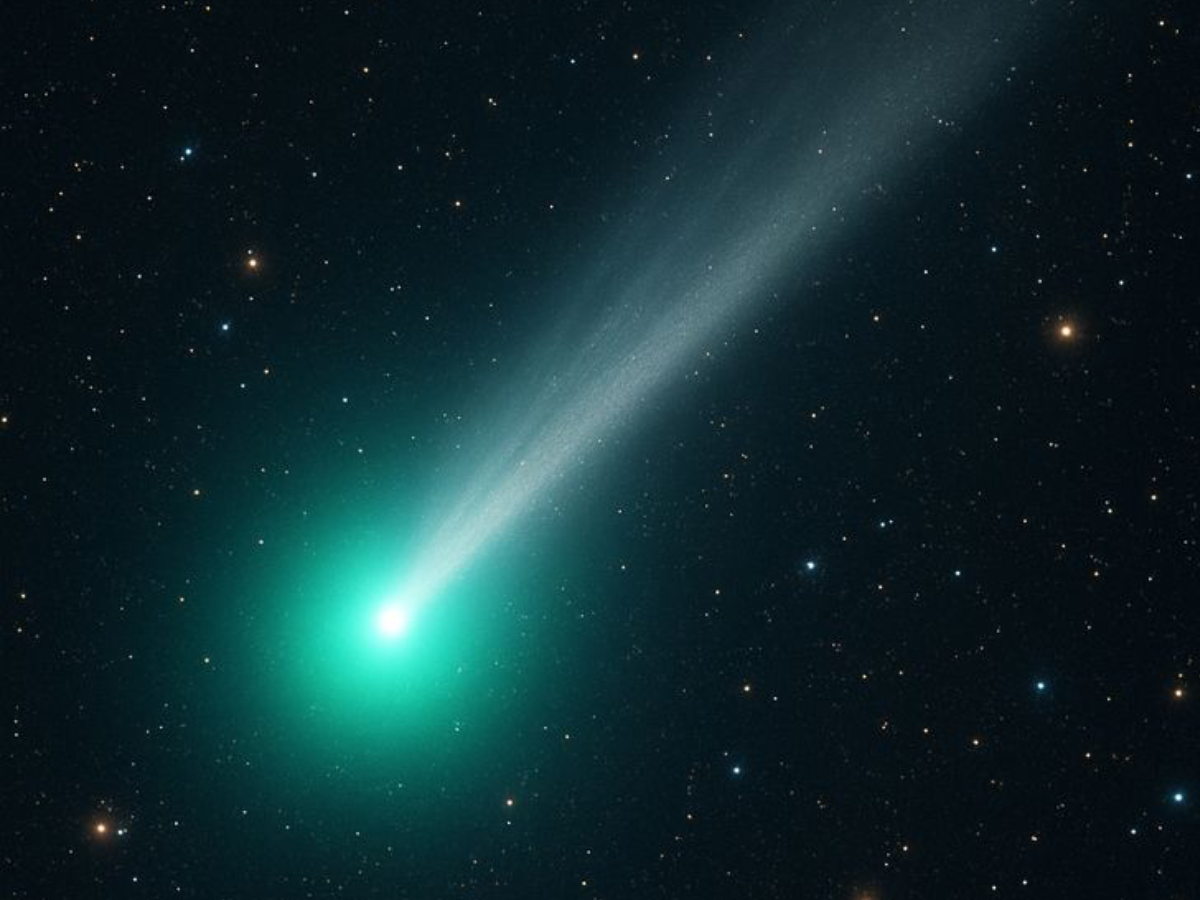
The US observatories experienced technical and administrative glitches while in the initial tracking of the interstellar body 3I/ATLAS with the entire world scientific community faltered briefly, but in that time lag, India’s scientists did not waste the opportunity.
Observatories owned by the Indian Institute of Astrophysics (IIA), ARIES Nainital and IUCAA Pune filled in the gaps and crucial data kept coming in. The disruption which have provided scientists with interrupted readings, rather became the impetus for India’s moment of reckoning in contemporary astronomy.
Quick Response from Indian Observatories
The moment 3I/ATLAS started fading in brightness, Indian groups acted rapidly. The ARIES 3.6-metre Devasthal Optical Telescope went on to emergency observation schedules, acquiring valuable photometric data that maintained the object’s trajectory modelling.
Dr. Ramesh K. of the ARIES team outlined how India’s geography provided the advantage:
“When Western telescopes were down or during the day, we plugged the gaps. It became a relay and India was the critical middle link.”
ALSO READ: What If 31/ATLAS Is an Alien Mothership? How Earth Could Respond
That proved to be a fortuitous timing because India was able to take observations between hours that other international facilities were not operational.
IIA’s Accuracies in Composition Analysis
At the Vainu Bappu Observatory in Kavalur, IIA scientists made an extensive spectral analysis to investigate 3I/ATLAS’s surface characteristics. Their observations, disseminated through the Minor Planet Centre (MPC) network refined such presumptions regarding the object’s composition and reflectivity. This exercise served to validate that 3I/ATLAS probably came from outside our solar system.
AI Innovations at IUCAA Pune
While telescopes toiled away, Pune based Inter-University Centre for Astronomy and Astrophysics (IUCAA) applied machine-learning models to fill gaps or recover corrupted visual frames. Their AI technology reconstructed the 3I/ATLAS light curve maintaining continuity of global datasets.
ALSO READ: Aliens Watching Earth? Study Claims 1940s Nuclear Tests to Mysterious Sky Objects
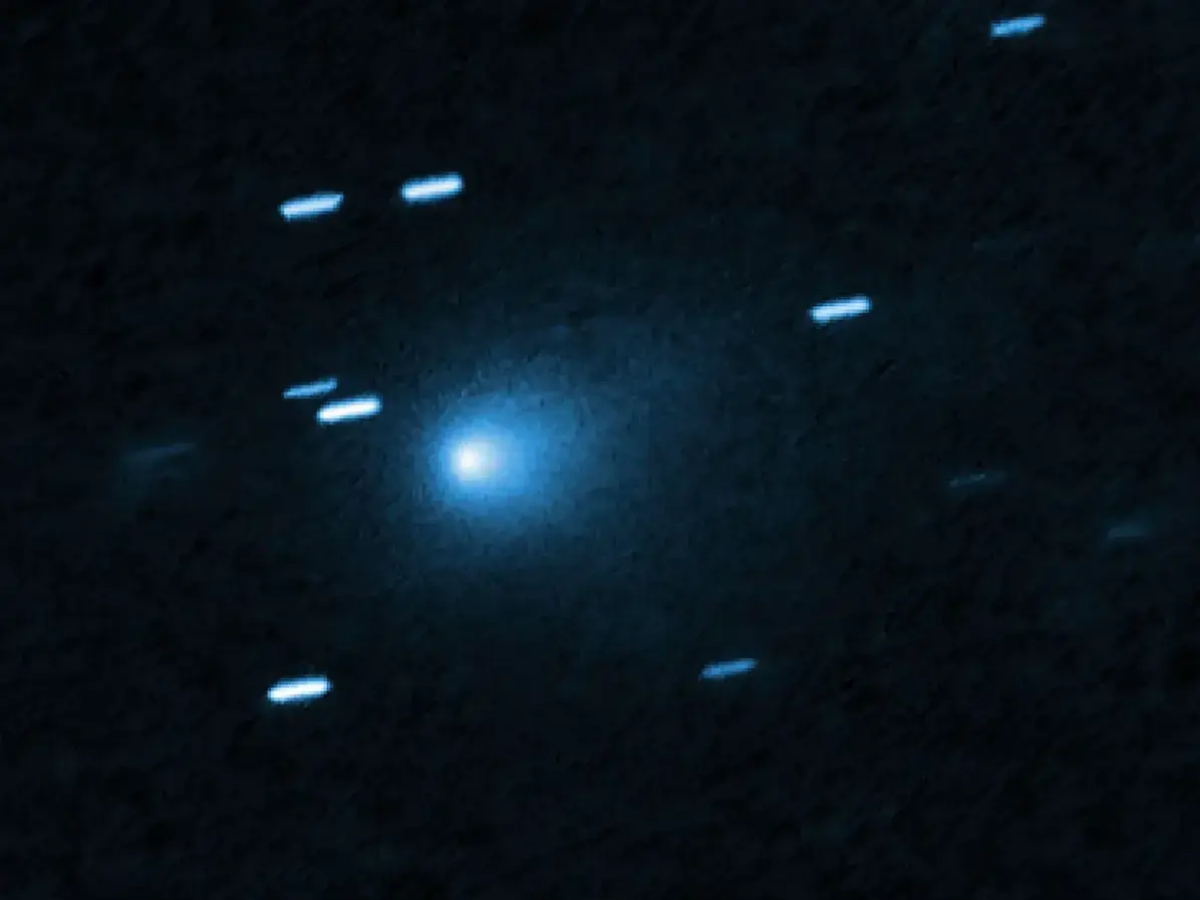
IUCAA’s effort became a template for blending artificial intelligence with observational astronomy, a glimpse of how astrophysics and data science can interface in coming missions.
Multipolar Future for Astronomy
India’s dedication and coordination impressed global scientists with the integration of optical data, AI reconstruction and time-zone benefits, Indian telescopes proved that top-notch astronomy is no longer the preserve of the West.
IUCAA’s Dr. Shweta Pandey captured the essence:
“We proved astronomy isn’t about owning the biggest telescope it’s about showing up when the data matters most.”
In 3I/ATLAS’s tale, India did not merely witness a cosmic guest it solidified its position as a trustworthy international collaborator in interstellar discovery.
ALSO READ: Why October 30 Could Be the Most Powerful Day in Decades: Cosmic Alert
Disclaimer: This article is based on verified research reports and expert statements. It does not represent official policy or institutional endorsement.