
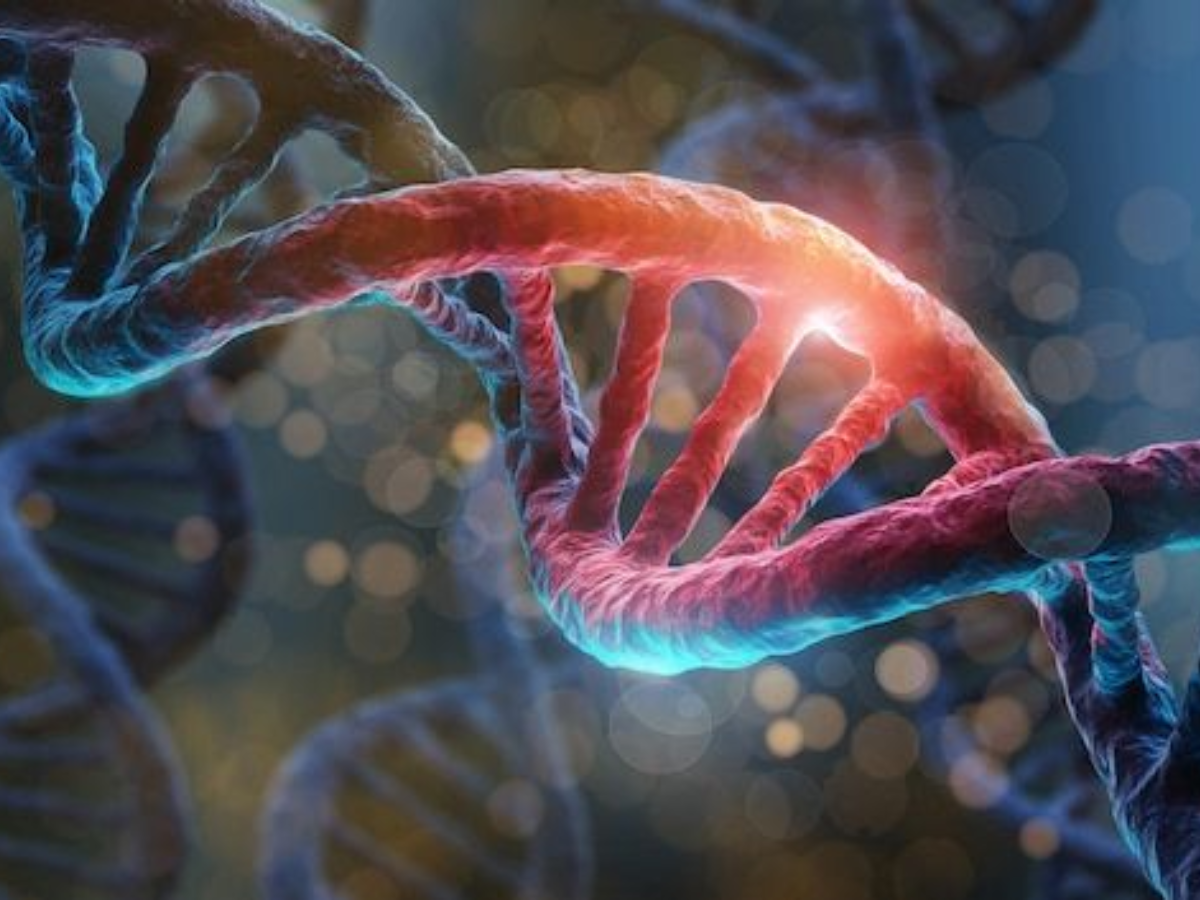
Researchers constructed 3D structures by combining DNA with water in a way that automatically assembles itself just as Nature does. A great stride in the field of nanotechnology and it’s going to change the way tiny devices from electronics to medical tools are manufactured in the future.
DNA as Blueprint: New Paradigm of Building
DNA instead of relying on the usual method of 3D printing which prints using different layers of mechanisms, researchers thought of using DNA as a construction material that would be programmed to build things. They encoded instructions directly into strands of DNA. The installation of DNA into water would automatically take shape into 3D architecture without an external cause.
This is how cells form within living beings, and this is not just a paradigm of efficiency this is deep. How a biology could be reshaped into engineered application solutions.
ALSO READ: NASA Announces CHAPEA Crew for 378-Day Mars Simulation Mission
How DNA 3D Printing Works from Molecules to Micro Machines?
The researchers showed that the structures assembled with DNA could be used to manufacture microscopic components, potentially destined for use in electronics or biomedical implants. Among the first prototypes were minuscule frameworks that looked like sensors and flexible circuits.
What differentiates this method is potentially the scale of simplicity with which one can create devices. Instead of building devices with costly, energy hungry machinery and one grows its building blocks into shape. That’s a step towards devices that might one day self-assemble within the body or underneath a microscope.
ALSO READ: Don’t Miss the Planet Parade and Blood Moon in September 2025
Traditional methods of nanofabrication
Beyond efficiency lies serious environmental benefits. Traditional methods of nanofabrication often involve using toxic chemicals and expending energy in large amounts. In contrast, the DNA based process utilizes water an innocuous, inexpensive solvent and depends on organic material to do most of the work.
Cited in Nature and later highlighted by Voxel Matters and this innovation might reduce the ecological footprint of the nanotech manufacturing process. However, there lies promise for some medical technology advances such as ultra small drug delivery systems or internal diagnostic sensors.
Why the Discovery Matters?
The research is still in its early stages, and its implications are vast. As head of the study Professor Oleg Gang believes the coming years may redefine the manner in which biological processes could be integrated with modern engineering in terms of atomic level material design. This could mark the initiation of a new era technology not imitating life but reproducing itself as life does.
ALSO READ: Lunar Eclipse September 2025: Big Changes for These Zodiac Signs
Disclaimer: This article is for informational purposes only. Scientific claims are based on peer-reviewed studies and subject to ongoing research and validation.