
Unveiling the Secret Process of Implantation
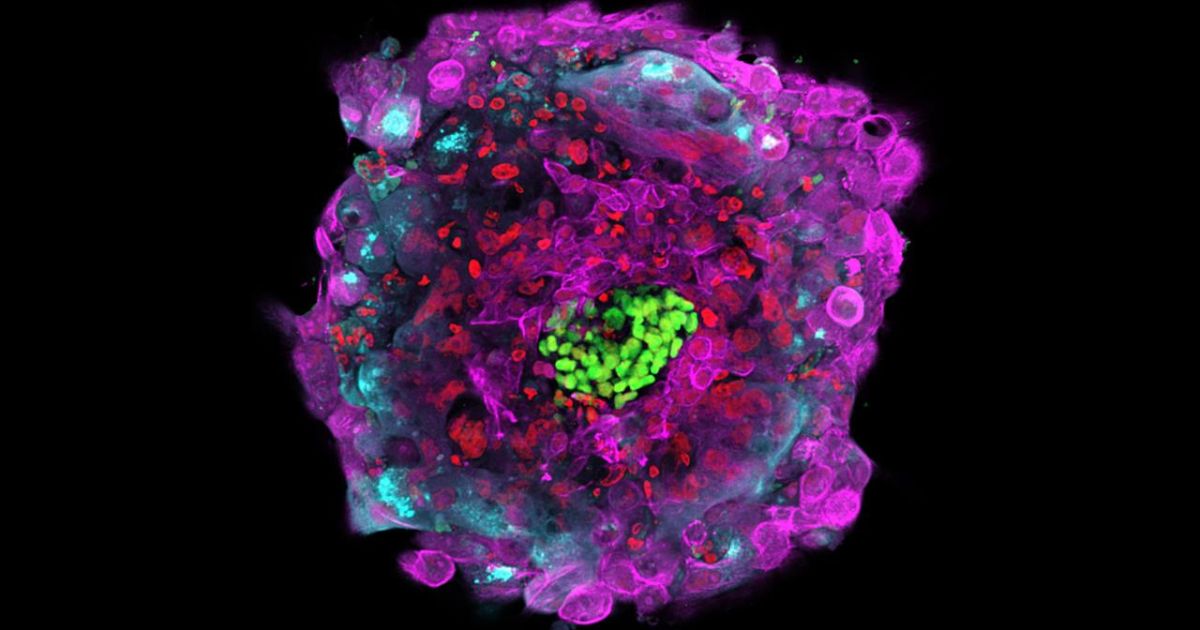
For the first time, scientists have recorded live, 3D images of a human embryo being implanted into a uterus, illuminating a process that has long been out of sight. The research, which was carried out jointly by the Institute for Bioengineering of Catalonia (IBEC) and Dexeus University Hospital in Barcelona, offers unprecedented insight into how embryos merge with uterine tissue.
Samuel Ojosnegros, the study’s lead author, defined the process as surprisingly intrusive. “We have seen that human embryos dig into the uterus, with significant force applied during implantation. These forces are necessary for full integration with uterine tissue,” he said. The study also sheds light on why some women complain of stomach pain or minor bleeding during early implantation.
Innovative Observation Platform
The scientists created a synthetic platform that replicated the uterine environment, made up partially of collagen and uterine tissue, where embryos could implant under controlled conditions. The platform supported real-time fluorescence imaging to monitor how embryos engage with their environment. Experiments with human and mouse embryos revealed some stark contrasts: whereas mouse embryos attach to the surface, human embryos actively pierce the uterine tissue and develop from the inside out.
Co-author Amelie Godeau underlined the active role of the embryo: “We see the embryo grasping for the uterine matrix, reorganizing and reacting to the cues from external forces. In a physiological environment, uterine contractions could even affect implantation.”
ALSO READ: Could Your Cat Hold The Key To Curing Alzheimer’s? Edinburgh Scientists Think So
Implications for Fertility Research
Failure of implantation is a common cause of infertility and is responsible for approximately 60% of miscarriages. By showing how embryos physically engage with the uterine lining, the research may enhance fertility treatment and better explain early pregnancy failure.
The. scientists also found that human embryos release enzymes to degrade nearby tissue and apply traction forces, assisting them in achieving a successful implantation. Knowing these processes may be central to the creation of therapy for women with recurrent pregnancy loss.
This work represents a massive achievement in reproductive biology, providing scientists and clinicians with an understanding of a fundamental yet hitherto unseen phase of human development.