
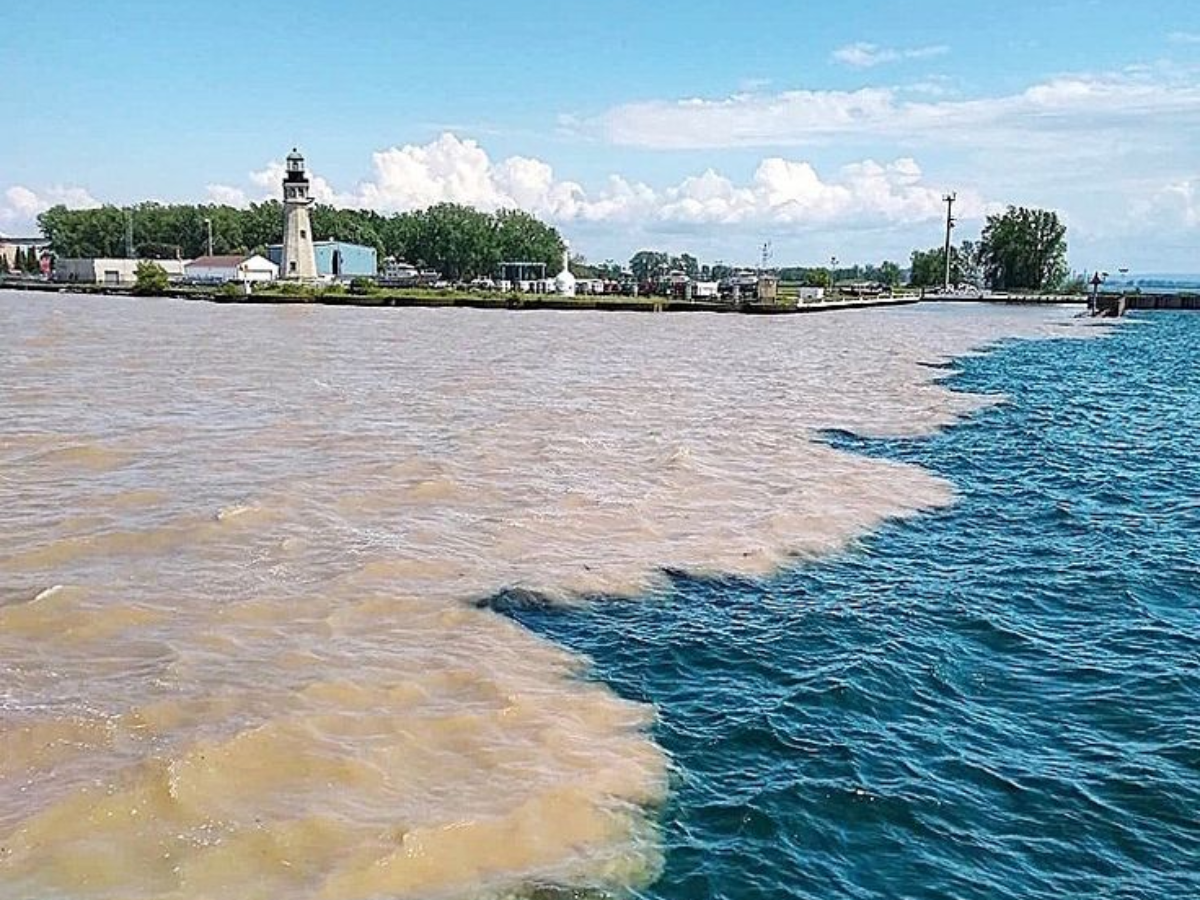
The Pacific Ocean mixing with the Atlantic Ocean seems improbable as they are both such vast bodies of water. This diversion continues to thrill evocative islands of curiosity and myth.
Do the Pacific and Atlantic oceans Actually mix?
All the viral social media images and videos with a wall seemingly dividing them, the Atlantic and Pacific Oceans are visibly and scientifically mixed at every second. The confusion about non-mixing comes from perception illusions caused by differences in water properties of temperature, salinity and density.
Both ocean currents, winds and tides transport water back and forth between the two great oceans. While this doesn’t appear in some areas and they are always linked at some level beneath the surface.
ALSO READ: What Really Happened in the Bermuda Triangle | Flight 19 to Cyclops Mystery
Why Do They Sometimes Appear Separate?
The most confusing separation in these are displayed during the oceanographic travels is mainly the contrast in water properties. The Atlantic Ocean with higher salinity sure to leave a definite visible effect and has cool temperatures and different mineral concentrations enticing them for a few miles until they lose their dissimilarities and become a single vast ocean.
When the water is coming from two sides meet and they have utterly opposed properties, they do not just combine. They make a border a kind of oil and water effect. This boundary that we think of as a Berlin Wall for the seas goes on shifting its position with continuing whitecaps and turbulence or an instance of forceful tides and currents.
ALSO READ: When the Sky Dances: Science Behind the Northern Lights
Where Do the Atlantic and Pacific Oceans Meet?
The most popular meeting point is Cape Horn situated at the southern tip of Chile in South America. The Cape Horn region is highly treacherous to sailors because of its usually rough waters and countless storms.
At the Southern end of Cape Horn, the two oceans meet through the Drake Passage an 850-kilometer-wide channel between Cape Horn and Antarctica. It was one of the most perilous sea passages in the world and historically was the only means of sailing between the two seas until the opening of the Panama Canal.
What is it Called When Two Bodies of Water Meet in the Ocean?
The term confluence is used to describe the blending of two obviously defined water bodies while it most naturally refers to confluence points in rivers and it may also mean that ocean merges into the ocean or seas. The Drake Passage among many other places for this fantastic view that not only represents borders of some sorts but are also straightforwardly temporal and natural.
ALSO READ: Asteroid, Comet, Meteor: What Are They and How Do They Differ