
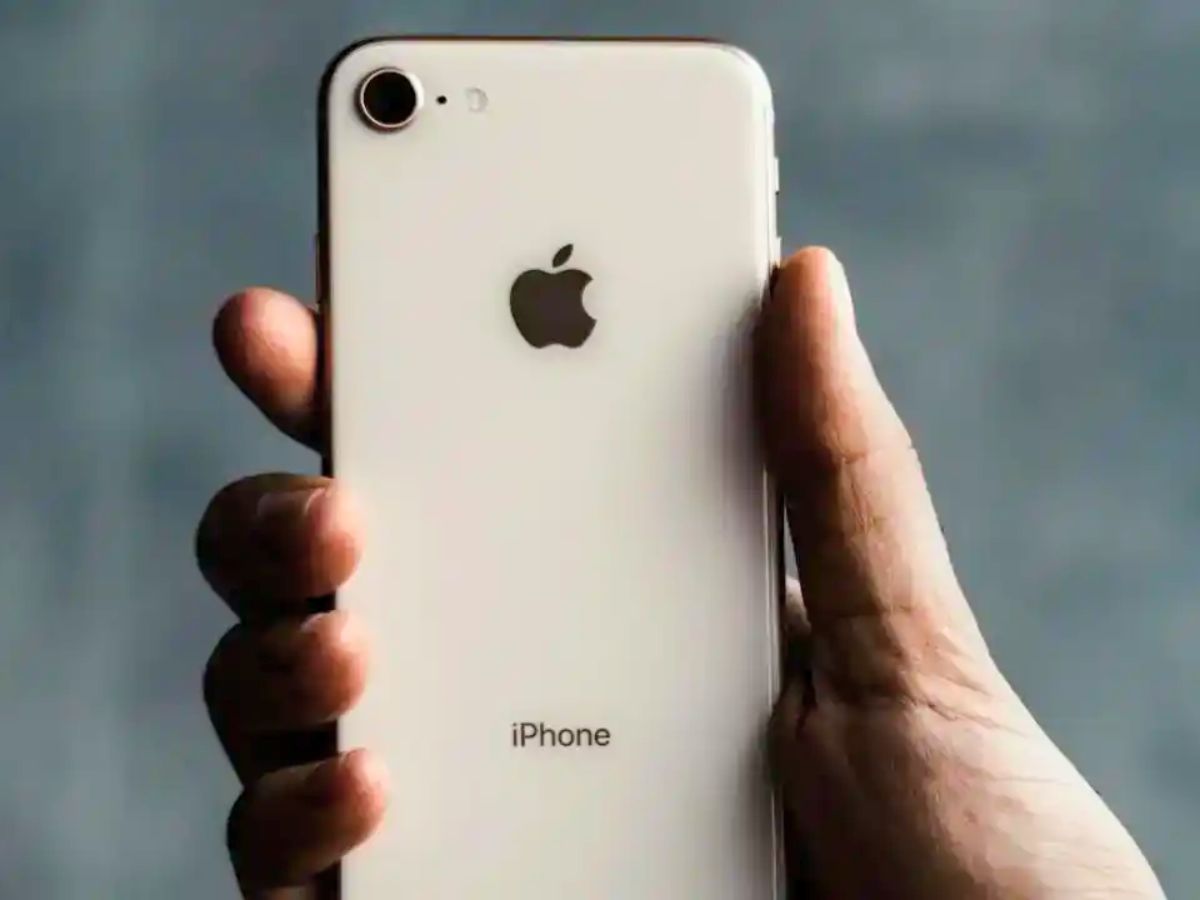
Apple is preparing to launch the iPhone 17 series on September 9. But ahead of the big reveal, the company has quietly moved some older iPhones to its “vintage” list. The update impacts models like iPhone XS, XS Max, iPhone X, and iPhone 8 series, including the (PRODUCT)RED versions.
For users, this shift means limited repair options and no new iOS updates. Experts say this is Apple’s way of nudging customers to upgrade, especially with the iPhone 17 around the corner.
Apple Vintage List – What It Mean?
Apple’s vintage list includes devices that have been out of distribution for more than 5 years but less than 7. Products in this category can still be repaired by Apple or authorised service providers, but only as long as parts are available.
In simple terms, your vintage iPhone will still work, but it won’t get the newest iOS updates. Apple usually provides security patches for a while, but you won’t have access to the latest features.
ALSO READ: Oppo F31 Series Launching in India with 7,000mAh Battery & 80W Charging – Full Details Inside
Should You Upgrade?
You don’t have to panic, even if you are still using an iPhone XS, iPhone X, or iPhone 8, it can still be serviced for now. However, repairs might take longer and cost more because of limited spare parts.
The bigger issue is software. Without the latest iOS, apps may slowly stop working, and security risks may increase. This is why many users see the vintage tag as a signal to upgrade.
Obsolete List: A Step Further
Apple also has an “obsolete” list. Devices on this list stopped distribution over 7 years ago and are no longer supported. The latest iPhones on this list are the iPhone 6s and 6s Plus, but only their 32GB versions. Other variants are still on the vintage list.
For obsolete iPhones, Apple does not guarantee any repair or hardware support, and security updates are also unlikely. This means using an obsolete iPhone could leave you open to cyber risks.
ALSO READ: iOS 26: Check If Your iPhone Is Compatible with the new Update
Apple’s Long-Term Support Advantage
Some users may be unhappy that Apple stops supporting devices after a certain time. But compared to rivals, Apple still leads the way. Most iPhones receive at least 5–7 years of updates, much longer than many Android brands. In fact, Apple’s approach has forced companies like Samsung and Google to improve their software support policies.
Why Apple’s Timing Matters?
The timing of Apple’s update is significant. By moving popular models like the iPhone XS and iPhone 8 to vintage status just before the iPhone 17 launch, the company is giving customers a subtle push toward upgrading. For many, the fear of losing security updates and service options could be the final reason to buy the new iPhone.
ALSO READ: Samsung Galaxy Event September LIVE Streaming Online | Know What to Expect – Watch Here