A 200-Year-Old Medical Instrument Receives a Smart Makeover
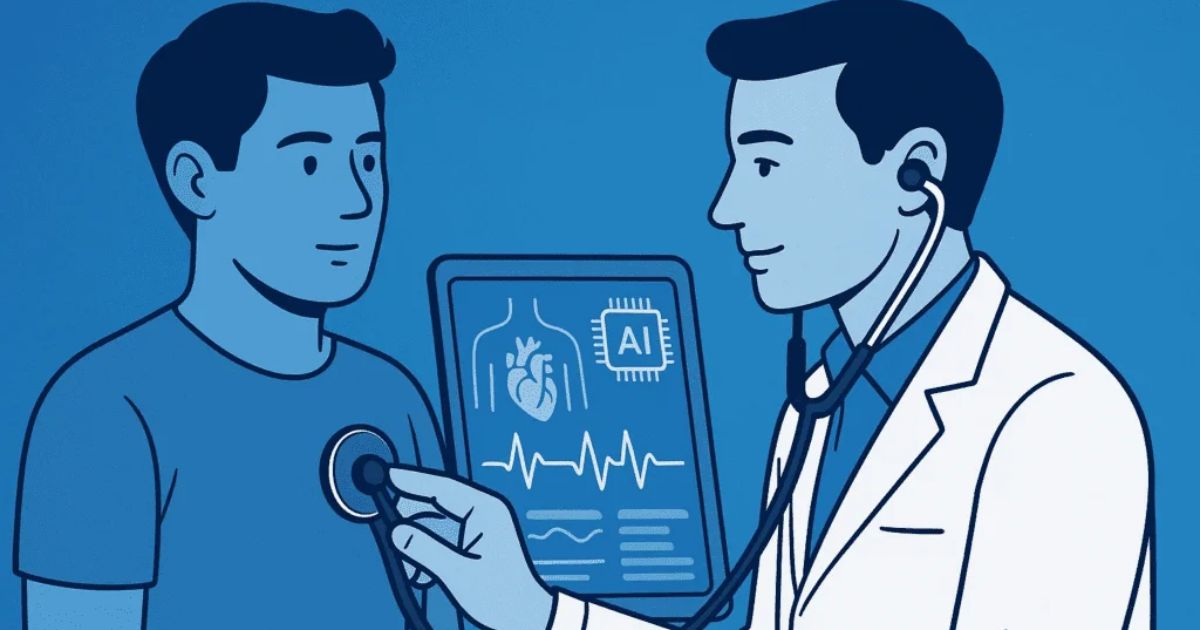
For more than two centuries, the stethoscope has been the most recognizable instrument in every physician’s bag. But now, scientists at Imperial College London and Imperial College Healthcare NHS Trust have given it a dramatic AI-assisted makeover that can detect severe heart conditions in seconds.
The intelligent stethoscope, which was first presented at the European Society of Cardiology congress in Madrid, can utilize artificial intelligence in identifying heart failure, valve disease, and irregular rhythms in a span of only 15 seconds. In contrast to the original model developed in 1816, the new instrument can register small variations in heartbeat and circulation that even the most discerning human ear would fail to catch.
Early Diagnosis Could Save Thousands
The group tested the new device on approximately 12,000 patients at 200 GP practices in the UK, among those who had complained of symptoms such as breathlessness and tiredness. The findings were dramatic. Patients who were evaluated using the AI stethoscope were:
- Twice as likely to have a diagnosis of heart failure.
- Three times more likely to have atrial fibrillation, a condition associated with stroke risk.
- Almost twice as likely to be diagnosed with heart valve disease.
Physicians think this discovery has the potential to revolutionize the way patients are treated since many heart conditions only get diagnosed once patients reach the emergency rooms in a dire condition.
Imperial College’s National Heart and Lung Institute Dr. Patrik Bachtiger described it as a “historic leap,” adding, “The stethoscope has been the same design for 200 years until now. It’s amazing that a 15-second test with a computer program can alert life-threatening conditions immediately.”
ALSO READ: Meta’s AI Chatbots Raise Legal and Ethical Concerns Over Celebrity Likenesses
How the Device Works
The size of a playing card, the device is produced by California company Eko Health. Used on a patient’s chest, it records heart sounds and conducts an ECG at the same time. Records are securely sent to the cloud, where artificial intelligence processes data for risk. Findings are subsequently transmitted directly to a clinician’s smartphone, underlining if the patient should be flagged for immediate attention.
While there is a marginal chance of false positives, professionals highlight the fact that the test is not for regular use but for patients who are suspected to have heart issues. The payoff, however, can be huge: treatment initiated at an earlier stage, lives saved, and lower healthcare expenses.
Imperial College’s Dr. Mihir Kelshiker put it succinctly: “Most patients with heart failure are diagnosed too late, usually in A&E. This gadget could tip the balance providing GPs with a rapid, accurate method to detect problems before they become life-threatening.”
With support from the British Heart Foundation and the National Institute for Health and Care Research, the AI stethoscope may also become a gamechanger for frontline medicine, taking life-saving innovation direct to local clinics.