
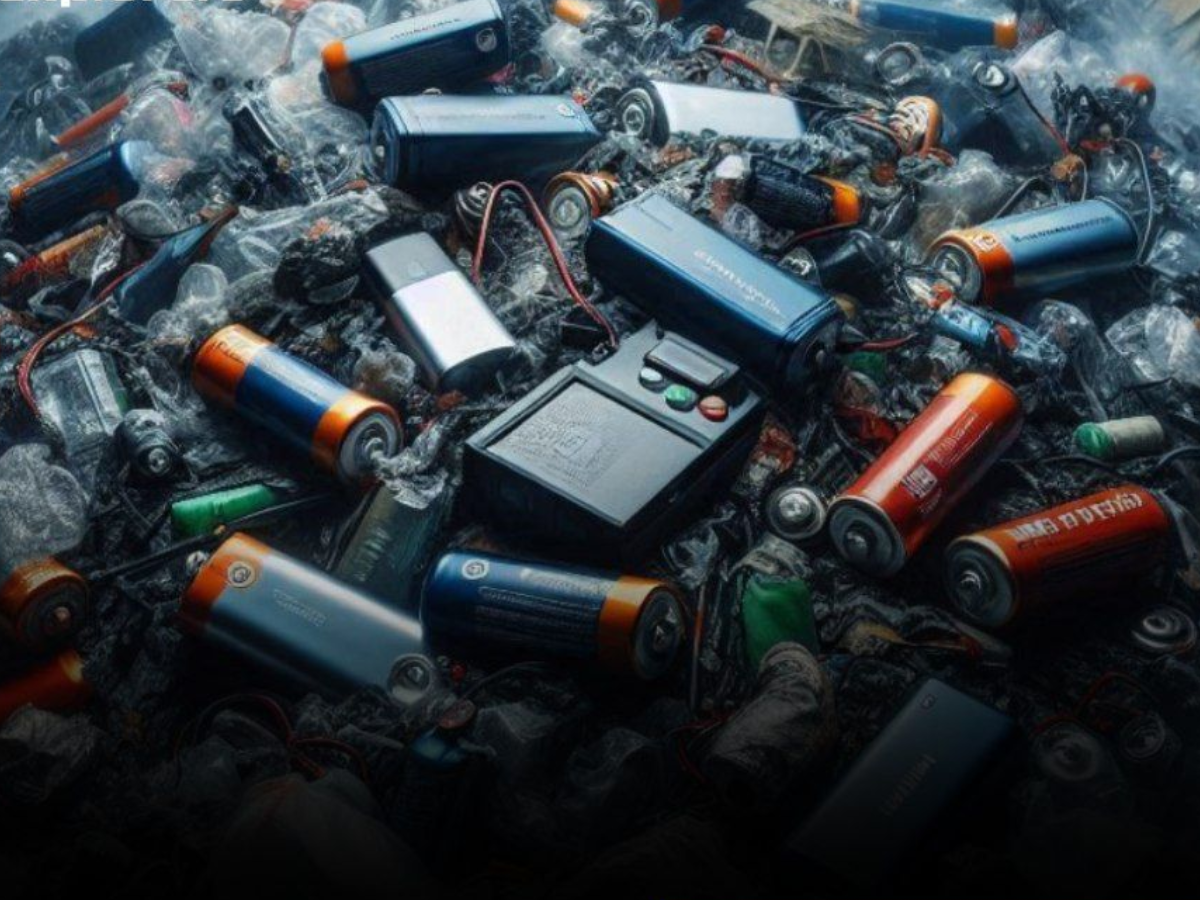
With lithium-ion batteries monopolizing the present from smartphones to electric vehicles increasing concerns about the cost, supply limitations and environmental damages have reached a tipping point. The race is now on to search for cleaner and cheaper alternatives that will be able to scale and NJIT.
Rethinking Energy Storage with Artificial Intelligence
NJIT scientists have developed a state of the art AI platform capable of discovering new battery materials with unprecedented speed. Their study, published in Cell Reports Physical Science presents five entirely new materials which may substitute lithium in future battery technologies.
Trial and error approach the AI system of the group screened huge chemical databases and did this quite quickly. Lead researcher Prof. Arun Kumar stated that the AI was directed towards finding compounds with high energy density, low toxicity and environmentally friendly characteristics. The outcome is a shortlist of materials, long considered unsuitable which now might find themselves integrated within sodium or potassium-based batteries.
ALSO READ: How AI Is Redefining Tech Jobs: Insights from Google Engineer Harsh Varshney
Why Move Beyond Lithium?
Due to an unprecedented rise in demand for lithium 400 percent increase projected by 2030 by the International Energy Agency there are wild fluctuations in its market price. Even though the lithium mining depletes the natural resource, it causes serious ecological damage. The very scarcity makes the batteries expensive thereby delaying the transition to globally adopted clean energy solutions.
Sodium and potassium are in abundant supply and available easily. These compounds identified from AI sources could provide a greener and cheaper basis for next-gen energy storage solution without compromising any performance.
ALSO READ: Don’t Miss the Planet Parade and Blood Moon in September 2025
How Bridging AI & Chemistry for Faster Solutions?
What has traditionally taken years of laboratory testing can now be done by NJIT AI in just weeks. The combination of computational intelligence with human expertise is accelerating the discoveries that once were buried in chemical libraries in an important way.
The system accelerates the search but possibly even more importantly ranks materials according to their environmental impact and thus serving as a comprehensive innovation tool.
What are implications for the Green Tech Revolution?
While lab work remains to validate the claims the languages in which we express our view are transformative in nature. With batteries made from widely used materials being cheaper and having more scale, renewal energy could be inducted, and electric vehicles could be brought within an affordable range.
The research stands as an impressive example of AI working to tackle real-world climate and energy challenges that intertwine technology and sustainability in a way never seen before.
ALSO READ: NASA Announces CHAPEA Crew for 378-Day Mars Simulation Mission