
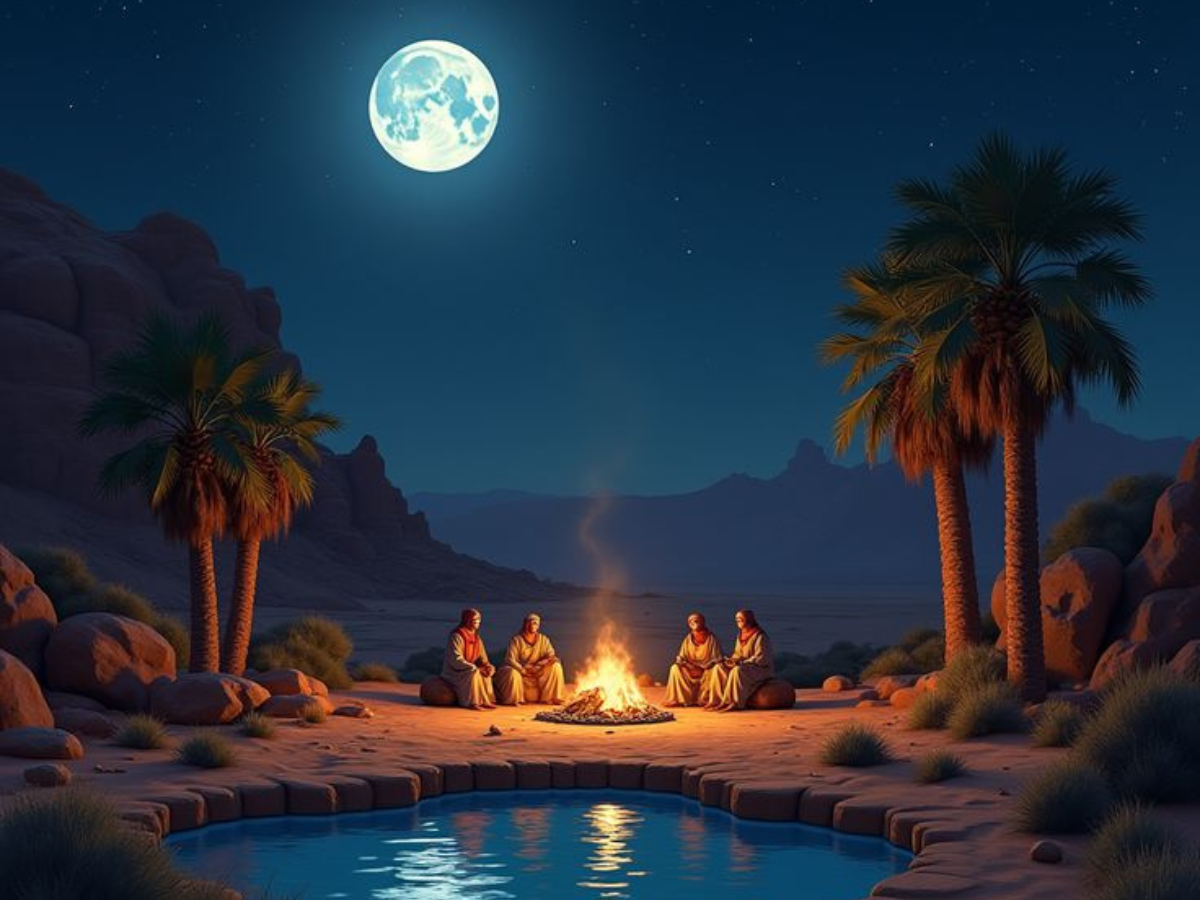
The year 2025 ending will see the skies of the UAE light up due to three consecutive supermoons juxtaposed with three great meteor showers. An equally romantic prospect for sky watchers, photographers or families from October to December, celestial spectacles will grace the night skies over the Emirates.
What to see & when: A celestial calendar
Put exciting dates in your calendar for some spectacular sky events:
- October 7: The Hunter’s Supermoon will rise, full and glowing brighter than normal, large and bright.
- October 21-22: Fast, bright streaks are expected as the Orionids meteor shower after Halley’s Comet will peak.
- November 4-5: A rare conjunction, the Southern Taurids Meteor Shower and Beaver Supermoon will be visible. The Taurids could have some nice fireballs and the moonlight will likely overpower any faint meteors.
- November 17-18: The Leonids are famous for their sharp, quick streaks and best seen before dawn.
- December 4: The last Supermoon of the year will rise as the Cold Supermoon.
- December 13-14: The Geminids are supposed to bring a fitting, bright and colorful meteor display under clear conditions as one of the strongest annual meteor showers.
ALSO READ: Morning vs Evening Star: Why Planets Like Venus Change Their Celestial Role
Where to Look: UAE Stargazing Hotspots
The Urban lights dull the magic of the stargazing, so try for some remote, dark-sky area. The Al Qudra Desert, Liwa dunes, Hajar Mountains and Jebel Jais are some very nice places with a good horizon. The early arrival, safe terrain and warm clothing for the cold desert or mountain night air are advised. Many astronomy clubs actively organize star parties that are safe for beginners or for those who want expert input.
How to View the Sky?
Allow your eyes to adapt to the dark and watch the sky meteors might show up in any direction. A tripod plus manual settings are paramount for successful shooting. Use a wide-angle lens, with a wide-open aperture (f/2.8), using a slow shutter of about 10–30 seconds and ISO 1600–3200.
ALSO READ: Northern vs Southern Lights: What Makes These Polar Wonders So Different?
Converting to RAW and burst shooting would give the best chances at capturing meteors. On the supermoon night, switch and shoot for the moon; silhouette the moon with some beautiful formations of the desert or mountain for some stunning results.
What They Mean: An Opportunity for Awe and Community
The visual appreciation, these nights symbolize opportunities to learn, bond and create. They unite photographers, amateur astronomers and families with curious minds. Events such as the Geminids help attract the public’s interest in astronomy and reinforce the need to conserve dark skies within this region.
The sky should be your calendar Late 2025 will be magical enough for you to stay awake.
ALSO READ: Why Are Eyes Different Colours? Exploring the Science Behind Genetics & Light
Disclaimer: Event visibility depends on local weather and light pollution. Dates and times may vary slightly by location within the UAE.