
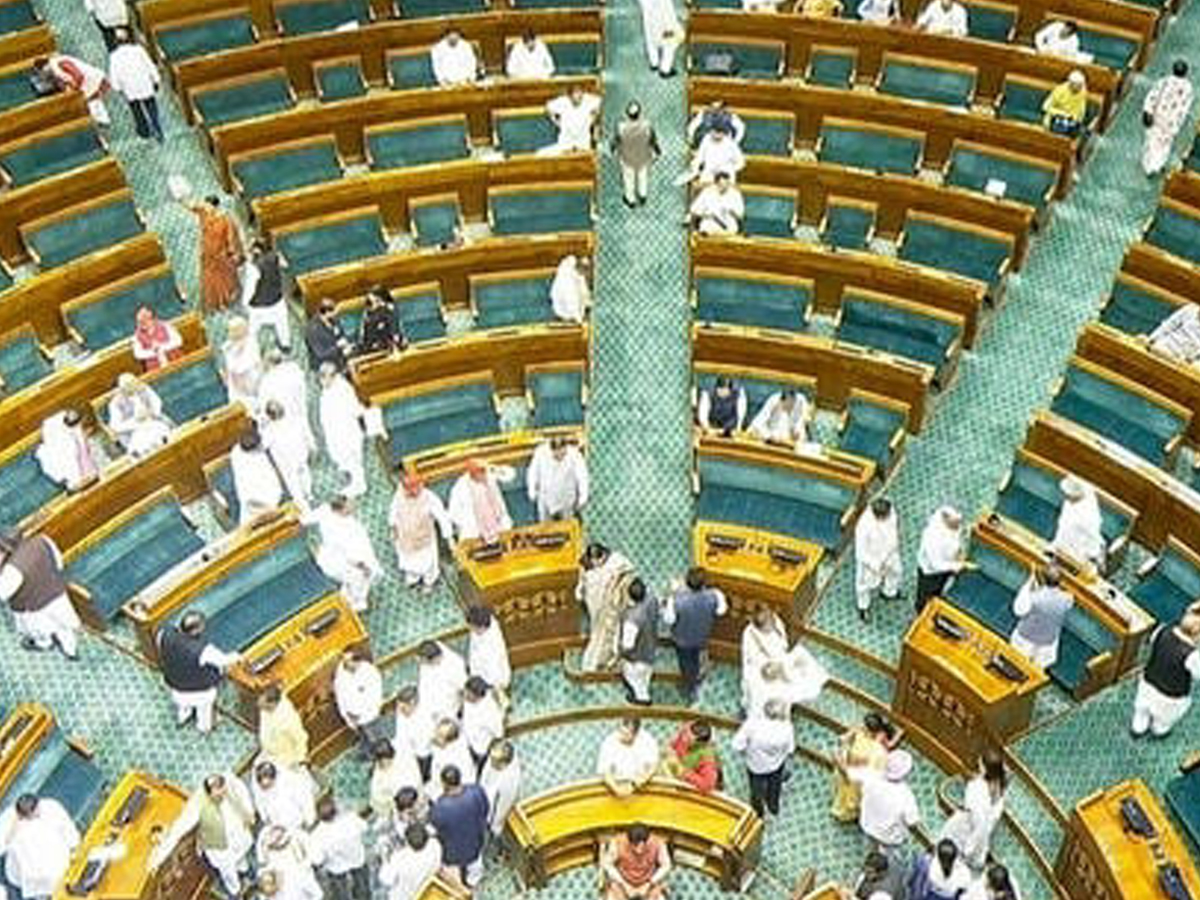
The BJP-led NDA government introduced three new bills in the Lok Sabha on Wednesday. These bills propose that the Prime Minister, Chief Ministers, or ministers at the Centre and in states/UTs can lose their posts if they are arrested or detained for 30 days. The arrest must be for an offence that carries at least a five-year jail term.
Union Home Minister Amit Shah moved the bills, calling them a step against corruption. However, the move triggered a storm in Parliament as the Opposition strongly opposed the idea.
Opposition Calls Move “Squarely Destructive”
Congress MP Manish Tewari slammed the proposal. He said, “The Indian constitution says there should be rule of law, and the basis of that is that you are innocent until proven guilty. This hopes to change that.”
ALSO READ: Ministers, CMs, PM Could Lose Office If in Jail for 30 Days: Amit Shah Introduces New Bills
Tewari described the move as “squarely destructive” and argued it would make “an executive agency officer the boss of the Prime Minister.” He added that the bills would alter the judicial interpretation of Article 21, which protects the right to life and liberty.
Which Bills Were Introduced?
The government tabled three bills in total:
- The Constitution (130th Amendment) Bill – covers the PM, ministers, and states, including Delhi NCT.
- The Jammu & Kashmir Reorganisation (Amendment) Bill
- The Government of Union Territories (Amendment) Bill
According to the draft, if a minister, CM, or the PM is arrested for 30 continuous days, they must step down. However, they can be reappointed after their release from custody.
AIMIM’s Owaisi Slams the Proposal
AIMIM chief Asaduddin Owaisi also opposed the bills. He argued that they go against the principle of separation of powers between the legislature, executive, and judiciary.
“This gives executive agencies a free run to become judge and executioner based on flimsy allegations and suspicions,” Owaisi said. He further claimed that the Modi government “is hell-bent on creating a police state.”
Why the Bills Are Controversial
The government claims the bills will help fight corruption by holding leaders accountable. But the Opposition fears they could be misused to topple elected governments.
Critics argue that removing top leaders based on allegations and arrests, without conviction, undermines the Constitution. The debate is expected to continue as the bills move forward in Parliament.