The terms Right Wing and Left Wing are commonly used to describe opposing political ideologies, but where do these terms originate from, and what do they actually mean in the modern political landscape?
The Historical Origin of Right Wing and Left Wing
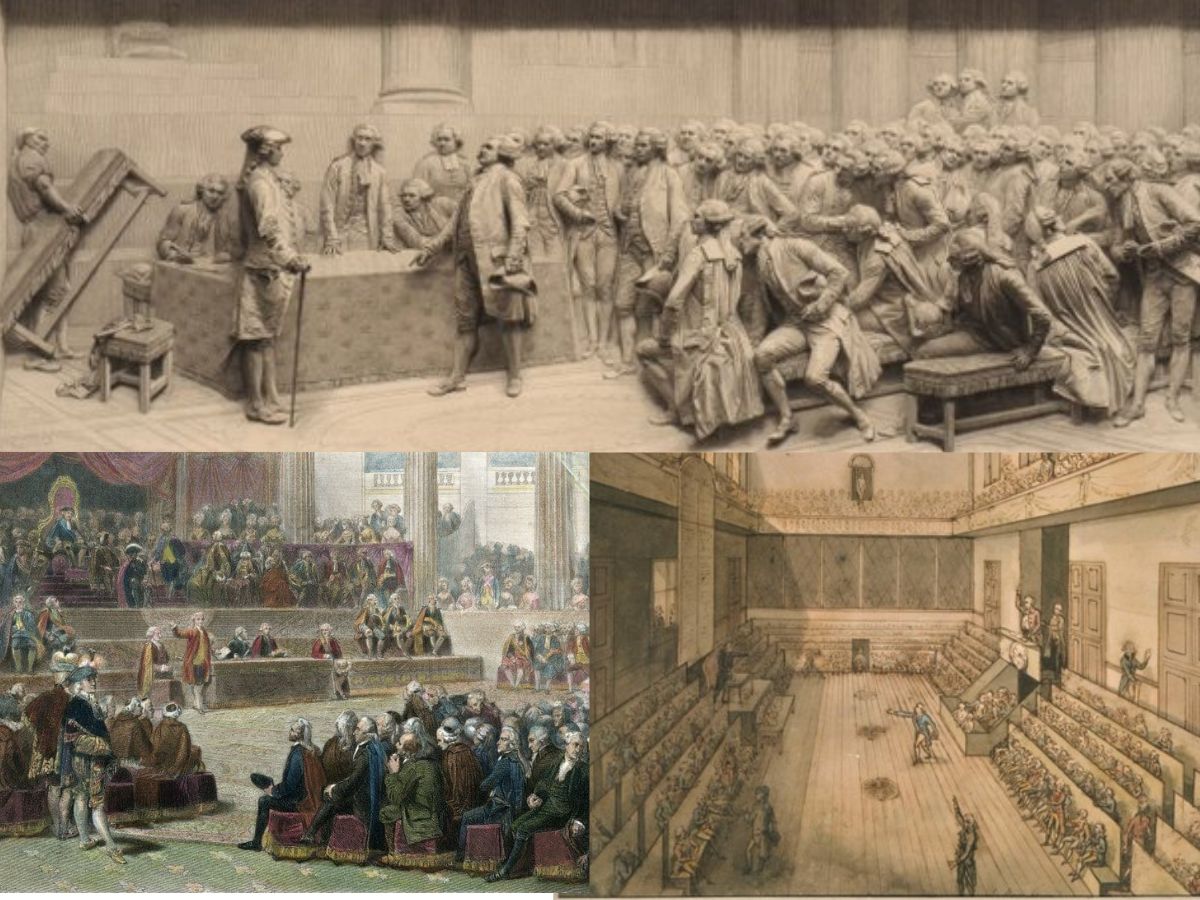
The concept of Right Wing and Left Wing originated during the French Revolution of 1789. In the French National Assembly, supporters of the king and conservative forces sat on the right side of the assembly, while revolutionaries who demanded radical change and equality sat on the left. Over time, this physical seating arrangement became symbolic of broader political ideologies.
-
The Right Wing came to represent those who support tradition, hierarchy, nationalism, and limited government intervention in the economy.
-
The Left Wing represented progressive ideas, social equality, workers’ rights, and government intervention to reduce economic disparities.
What Do Right Wing and Left Wing Mean Today?
Right Wing Politics
Right Wing politics generally emphasize:
-
Free-market capitalism
-
Limited government intervention
-
Nationalism and cultural conservatism
-
Law and order
-
Preservation of traditional social values
Right-wing parties often advocate for lower taxes, privatization of public services, and policies that promote individual responsibility. In international relations, right-wing groups may emphasize strong national defense and stricter immigration policies.
Left Wing Politics
Left Wing politics focus on:
-
Social equality
-
Government intervention in the economy
-
Progressive taxation
-
Universal welfare programs
-
Workers’ rights
Left-wing parties promote social justice, environmental protections, and equal opportunity. They often support strong labor unions, free or subsidized education and healthcare, and progressive reforms to challenge existing power structures.
Use and Function of Right Wing and Left Wing in Politics
These ideological divisions help political parties define their platforms and appeal to different segments of society.
-
Right Wing parties often appeal to voters seeking economic freedom, national pride, and traditional values.
-
Left Wing parties attract those concerned with income inequality, social justice, and welfare programs.
In a democracy, the competition between these two wings enables a balance of power. Voters can choose the ideology that best aligns with their views, ensuring that diverse opinions are represented in government. The right and left wings also act as checks on each other, preventing one ideology from dominating politics entirely.
Right Wing and Left Wing in Indian Politics
In India, the political spectrum has its own unique structure, shaped by historical, cultural, and economic factors.
-
The Right Wing in India is largely represented by the Bharatiya Janata Party (BJP), which promotes Hindutva (cultural nationalism), economic liberalization, strong national security policies, and conservative social values. The BJP has been the ruling party of India for several terms, advocating for development, national pride, and infrastructural growth.
-
The Left Wing is represented mainly by the Communist Party of India (CPI) and the Communist Party of India (Marxist) [CPI(M)]. These parties focus on land reforms, workers’ rights, social welfare schemes, and the protection of the marginalized. Historically, the Left played a major role in shaping labor laws and welfare systems, especially in states like Kerala and West Bengal.
-
The Indian National Congress (INC) occupies a centrist to left-leaning position, historically supporting secularism, socialism, and welfare-driven economic policies, particularly during the early post-independence years under leaders like Jawaharlal Nehru.
The concepts of Right Wing and Left Wing are more than just labels; they represent fundamentally different approaches to governance, economic policies, and social issues.
-
The Right Wing emphasizes individual freedom, nationalism, and traditional values.
-
The Left Wing advocates for equality, welfare, and social reforms.
In India and across the world, the interplay of these political wings shapes public policies, elections, and the direction of national development. Understanding these terms helps citizens make informed choices about the kind of leadership and governance they wish to support.
Also Read: PM Modi Travels by Road to Meet Displaced Families in Manipur, Skipping Chopper Ride