
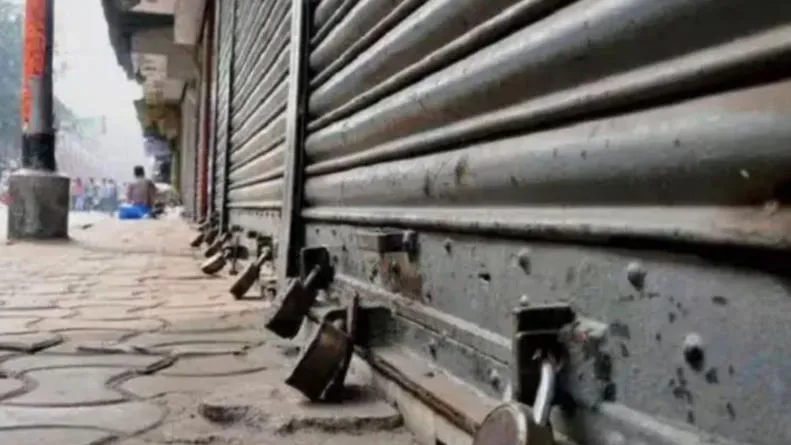
More than 25 crore workers across India are expected to participate in a nationwide strike called ‘Bharat Bandh’ on July 9. This large-scale protest targets the central government’s policies, which many believe are “anti-worker, anti-farmer, and pro-corporate.”
The strike is being led by a united platform of 10 central trade unions, along with farmer and rural labour groups such as the Samyukta Kisan Morcha. As a result, major disruptions are expected in key sectors across the country.
Protest Highlights Concerns Over Jobs and Worker Rights
The aim of this nationwide shutdown is to raise awareness about labour reforms, employment issues, and the government’s broader economic policies. Though the central government has not officially responded, the strike is likely to affect services nationwide.
Massive Participation Expected
More than 25 crore workers are likely to take part. This includes employees from banks, insurance companies, postal services, coal mines, steel plants, transport, and government offices. Farmers and rural workers will also hold protests across cities and villages.
Disruption Across Multiple Sectors
Leaders of the unions expect interruptions in banking, postal delivery, coal mining, public transport, and manufacturing in several states.
Groups like the Samyukta Kisan Morcha have extended support. They will organize protests in both urban and rural areas to strengthen the strike.
Unions spent months mobilizing workers from both the formal and informal sectors to ensure widespread participation.
17 Demands Submitted
The unions presented a 17-point list of demands to Labour Minister Mansukh Mandaviya. Their requests include filling vacant posts, creating new job opportunities, and ensuring an urban job guarantee. They also criticized the government’s refusal to hold annual labour conferences, calling it a disregard for workers’ voices.
Clear Focus on Employment and MGNREGA
According to the joint forum, “We are demanding from the government to address unemployment, recruitments against sanctioned posts, creation of more jobs, increase in days and remuneration of MGNREGA workers and enactment of similar legislation for urban areas. But the government is busy imposing ELI (Employment Linked Incentive) scheme to incentives employers’ instead.”
Resistance to New Labour Codes
Unions have voiced concern over the four new labour codes passed by Parliament. They argue these laws reduce bargaining power, increase work hours, and weaken worker protections.
Opposition to Public Sector Hiring Practices
Union leaders criticized the trend of hiring retired professionals instead of young recruits in critical sectors like railways, NMDC Ltd, steel, and education.
Strong Stand Against Privatisation
The strike also targets privatisation of public sector companies, contract hiring, and outsourcing. Union leaders claim these practices undermine job stability.
Youth Unemployment Is a Major Concern
The protest comes amid rising youth unemployment, especially among those aged 20 to 25. With 65% of India’s population under 35, the unions say the job crisis must be addressed urgently.
Ongoing Worker Mobilisation Across Years
This is not the first major strike. Similar protests were held on February 16, 2023, November 26, 2020, and March 28–29, 2022, showing a continuing wave of unrest among India’s working class.
The Samyukta Kisan Morcha and agricultural worker unions have promised full support, especially by ensuring mass participation from rural areas.