
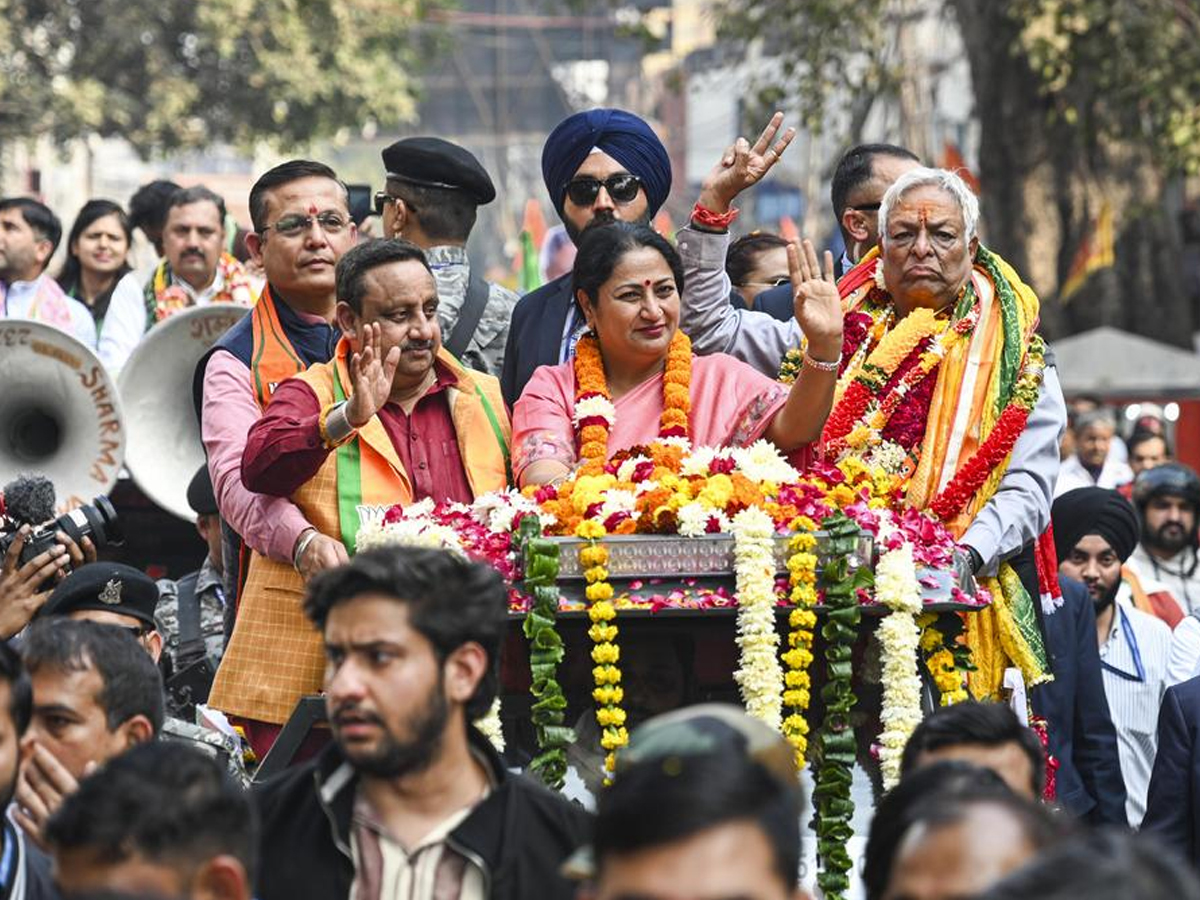
Counting began early on December 3 for by-elections in 12 vacant MCD wards after polling on November 30. Voter turnout for the bypolls was recorded at approximately 38.5%, significantly lower than the 50.5% seen in the full 2022 MCD election. These bypolls became a key test for civic issues and public sentiment following Delhi’s recent political shifts.
With votes still being counted, the Bharatiya Janata Party (BJP) has already clinched one seat and is leading in several more. The victory in one of the high-profile wards, Shalimar Bagh, is seen as a morale booster for the party as it seeks to maintain dominance in the Municipal Corporation.
MCD By-Election Result LIVE: BJP Wins Shalimar Bagh-B
In Shalimar Bagh, BJP candidate Anita Jain emerged victorious, securing the seat with 6,742 votes. This win is significant because the ward was previously held by the BJP; retaining it helps the party preserve its stronghold in northwest Delhi.
Shalimar Bagh’s result comes under tight scrutiny because this ward was among those vacated when earlier councillors moved to Assembly or Parliamentary positions. A win here reinforces the BJP’s grip on local governance and indicates that its base remains responsive, even in low-turnout elections.
MCD By-Election Result LIVE: Overall Results & Leading Wards
So far:
- BJP has gained Shalimar Bagh and is leading in multiple wards.
- Aam Aadmi Party (AAP) and Indian National Congress (Congress) continue to contest strongly.
- Other wards where the BJP leads include Chandni Chowk, among others.
The counting continues across ten designated centres in Delhi. Observers say these bypoll results may influence future municipal governance and local resource allocation for the city.
MCD By-Election Result LIVE: Low Voter Turnout Reflects Civic Mood
The bypoll saw a relatively modest turnout — 38.5%. Many had expected a stronger response given recent political developments. The low numbers might reflect voter fatigue, apathy, or disillusionment ahead of bigger electoral events.
Experts suggest that such low participation could favour parties with strong ground-level organisation and loyal vote banks — benefiting the BJP in several wards.
MCD By-Election Result LIVE: Why This Bypoll Matters?
These 12 bypoll wards, vacated due to councillors being elected to higher offices, serve as a test case for political momentum in Delhi. For the BJP, maintaining or increasing its seat count will strengthen its control over the 250-member MCD and help shape local administration priorities. For opposition parties like AAP and Congress, making inroads here could signal a shift in urban voter sentiment.
Shalimar Bagh’s result, combined with early leads elsewhere, may influence how parties approach upcoming polls — including campaigning style, local issues, and outreach strategies.