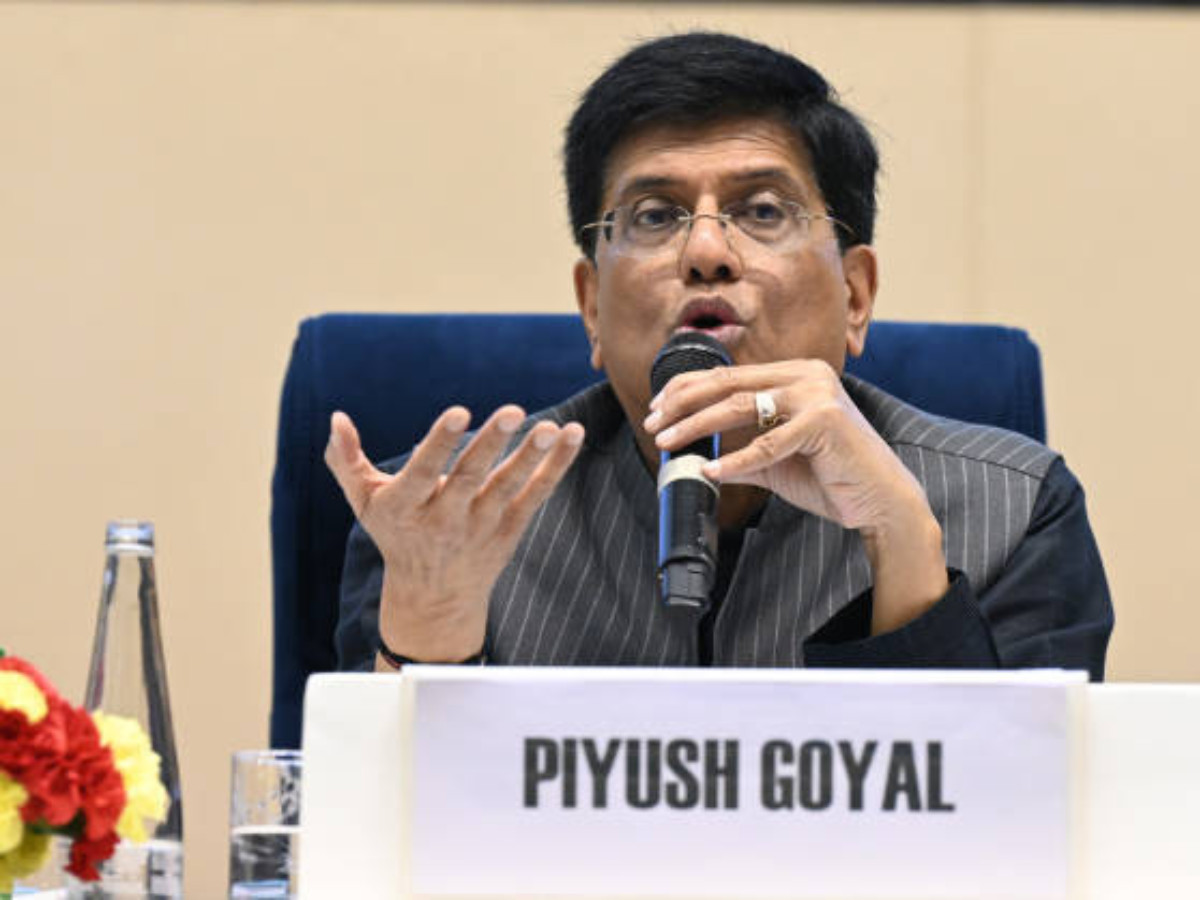
Once again, the Union Government has moved towards reforming India and simplifying the regulatory framework of the country. On Monday, The Jan Vishwas (Amendment of Provisions) Bill, 2025 introduced by Union Minister Piyush Goyal for Commerce and Industry, was presented before the Lok Sabha and the bill was referred to a Select Committee for further scrutiny.
The Bill aims to rationalize compounding of fines, decriminalize certain minor offences, and to spread the culture of trust between citizens, businesses and the state.
Focus on Decriminalization
At the heart of this Bill is decriminalization. Over the years, a lot of obsolete laws have added various provisions about the imposition of imprisonment for minor technical slips, creating a fear inside both entrepreneurs and the common man.
ALSO READ: India Sticks to Its Terms in Trade Deal Talks with US, Says Piyush Goyal
This Bill replaces many of such provisions with monetary fines enabling enforcement with proportionately reduced penalties. The government hopes this deprivation of the threat of imprisonment would, on one hand, endorse the trustworthy environment of business in India while on the other hand, relieving the huge burden from the judiciary.
Rationalization of Penalties
Therefore, the Bill introduces a system by which penalties will remain relevant with time. Under the provisions of the Act, it shall provide for fines and penalties increasing automatically by 10% after every three years from the date of the enforcement of the Act.
Such adjustment will bring punitive measures along with economic reality without frequent requiring the intervention of legislation.
Alignment with Reforms in Governance
The proposed changes are all part of a continuing process of reforms begun under the Jan Vishwas Act of 2023 and was invested in the larger deregulatory stroke. The guiding philosophy of “minimum government, maximum governance,” the new legislation has been introduced to reduce compliance bottlenecks, reduce transaction costs and spur business process re-engineering.
ALSO READ: ‘Peace of Heaven’: Piyush Goyal Takes Shikara Ride, Promises Economic Boost for Kashmir
These measures, the government argues, are critical to the Amritkaal of India’s development, wherein innovation and enterprise need an enabling regulatory ecosystem.
Wider Scope of Amendments
The 2025 Bill goes beyond decriminalisation and also amends provisions under 20 sections of the Motor Vehicles Act, 1988 and 47 sections of the New Delhi Municipal Council Act, 1994. These modifications, according to officials, will not only alleviate the burden of regulation but also save time and resources for citizens and institutions alike.
The Jan Vishwas (Amendment of Provisions) Bill, 2025 is a vital step towards India’s regulatory transformation, holding the potential to create a balance between accountability and growth by harboring trust-based governance, reducing compliance complexities, and overall making living a bit easier. When implemented thoroughly, it will be another model for future legal-administrative reforms.
ALSO READ: ‘Game Changer, 99% exports to UK duty-free’: Piyush Goyal on FTA