For over a month, the road between Kandy and Nuwara Eliya lay silent. No steady traffic. No smooth movement of supplies. Only detours, delays, and uncertainty after Cyclone Ditwah tore through Sri Lanka’s Central Province, damaging a key stretch of the B-492 Highway.
That silence ended this week. Under Operation Sagar Bandhu, the Indian Army’s Engineer Task Force completed and inaugurated the third Bailey Bridge at kilometre 15 on the B-492, restoring critical connectivity in the hill region. The bridge now reconnects communities that had been effectively cut off since the cyclone struck.
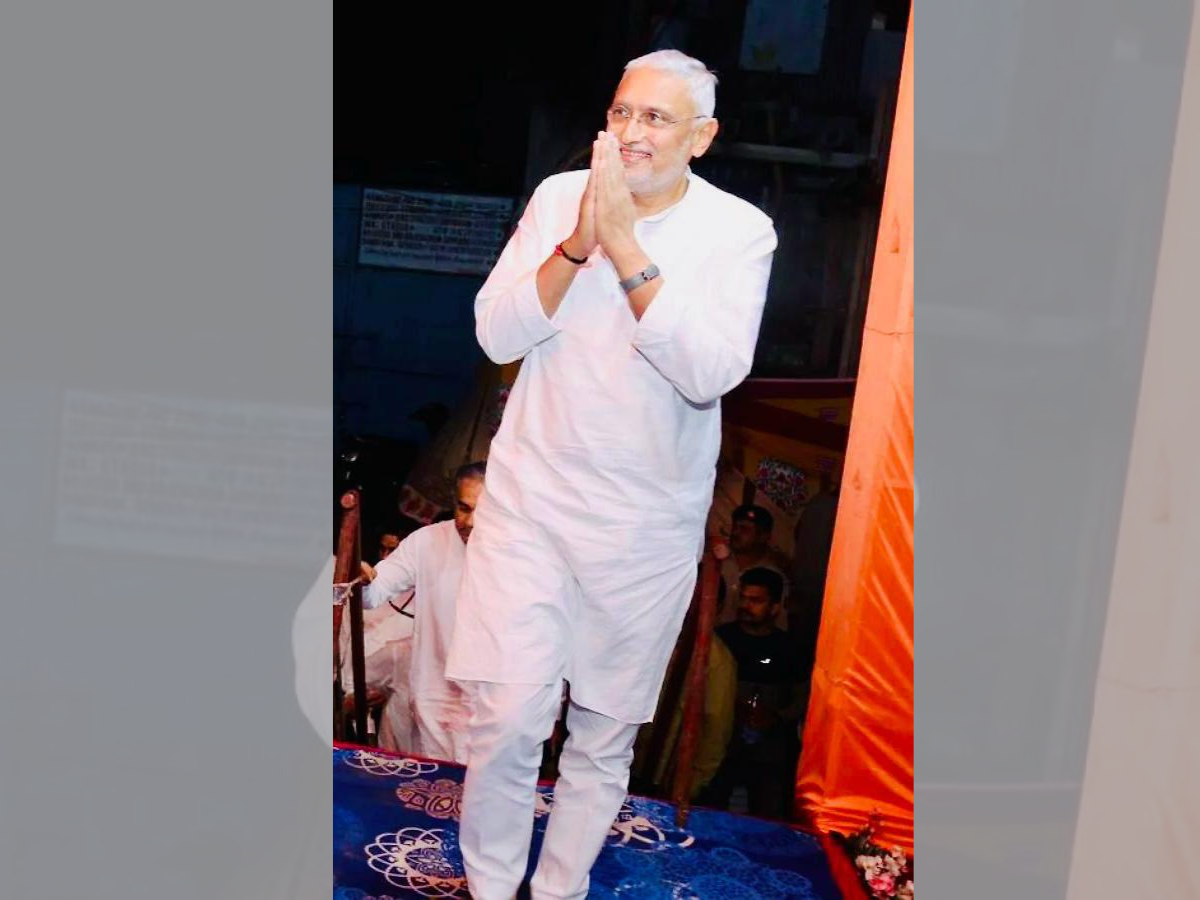
The inauguration was carried out by Satyanjal Pandey, Deputy High Commissioner of India to Sri Lanka, alongside Manjula Suraweera Arachchi, Member of Parliament from Nuwara Eliya, marking a visible step forward in the recovery process.
The B-492 is not just another highway. It is an arterial route — carrying people, produce, fuel, and providing medical access between districts. When it failed, daily life slowed to a crawl. Supply chains fractured. Emergency access became harder.
The rapid installation of the Bailey Bridge has reversed that disruption. Traffic is moving again. Local commerce is restarting. Access to essential services has been restored.
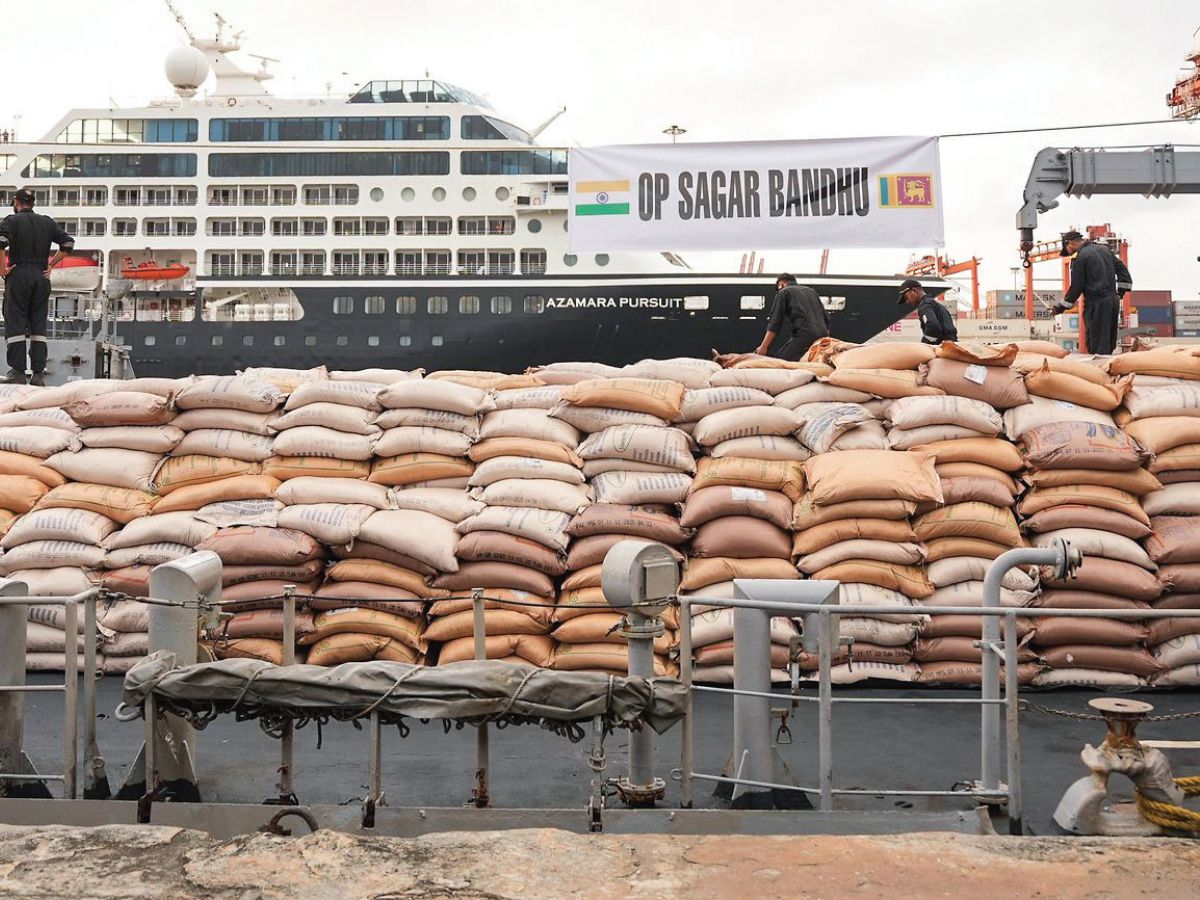
Executed as part of India’s Humanitarian Assistance and Disaster Relief effort, the operation reflects a familiar pattern — swift mobilisation, engineering precision, and delivery under pressure.
More quietly, it also reinforces India’s Neighbourhood First Policy, not through words but through tangible work on the ground.
Steel, bolts, and balance — placed exactly where they were needed most. For the people of the Central Province, the message is simple and immediate: the road is back, and life can move forward again.