New Delhi:
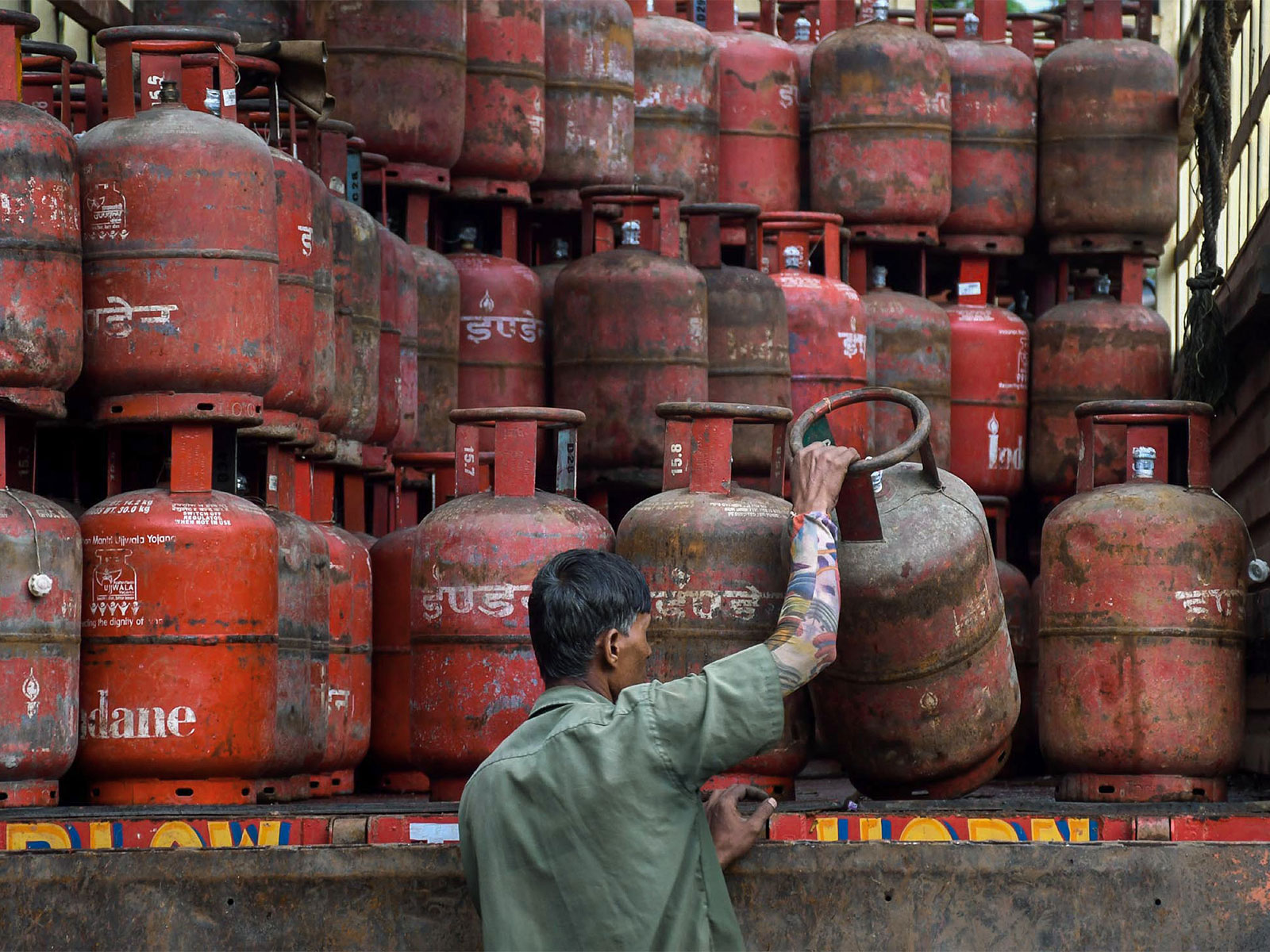
The latest revision follows a Rs 60 increase announced on March 7 amid volatility in global energy markets linked to the West Asia conflict. Domestic LPG prices have risen by Rs 89 over the past four months.
Congress president Mallikarjun Kharge accused the Centre of burdening ordinary families, while senior party leader Ashok Gehlot said the repeated increase in cooking gas prices had disrupted household budgets. “The entire household budget, the kitchen management, has been disrupted,” Gehlot said in Jaipur.
Karnataka Minister Yathindra Siddaramaiah said the hike would hurt the common man and adversely affect the economy. The Samajwadi Party, Aam Aadmi Party and Trinamool Congress also criticised the decision, alleging that the Centre was passing the burden of rising international prices on to consumers.
AAP MP Sanjay Singh questioned the government’s comparison of LPG prices in India with those in the United States and Canada, arguing that differences in per capita income must also be considered. Meanwhile, residents in Delhi and Guwahati urged the government to provide relief, saying rising prices of cooking gas, fuel and essential commodities were affecting daily expenses.
Defending the revision, the Ministry of Petroleum and Natural Gas said Indian households continued to pay significantly less for cooking gas than consumers in several neighbouring countries and advanced economies. It said the supply cost of a domestic cylinder had risen to more than Rs 1,600, leaving an under-recovery of nearly Rs 700 per cylinder.
Beneficiaries of the Pradhan Mantri Ujjwala Yojana pay an effective price of Rs 642 for the first four refills each year after receiving a Rs 300 direct benefit transfer, while general consumers in Delhi pay Rs 942, the ministry said.
The ministry attributed the rise in costs to disruptions in the Strait of Hormuz and a sharp increase in international LPG benchmarks. It said domestic production had been increased and imports secured from alternative markets, including the US, Canada and Algeria, to maintain supply.
BJP leaders described the price rise as a global phenomenon, saying the increase in India remained moderate compared with other countries.
STANDALONE
Delhi households feel the heat of price hike
Bryan Thomas
New Delhi
The flame was burning steadily beneath a blackened utensil.
But it was not coming from an LPG cylinder.
It was a traditional chulha.
In Delhi’s Tigri H-Block, where many families are already struggling with rising expenses, the latest ₹29 hike in domestic LPG prices has placed an additional burden on household budgets. From June 7, the price of a 14.2-kg domestic LPG cylinder in Delhi increased from ₹913 to ₹942.
On the ground, however, the conversation was less about numbers and more about survival.
“Mehngai bahut badh gayi hai,” said one woman as she prepared food on a chulha outside her home. “Cylinder bachane ke liye kabhi-kabhi lakdi ka istemal karna padta hai.”
Another resident said the increase may appear small on paper but hurts families already living month to month.
“Har cheez mehngi ho rahi hai. Ration, sabzi, bijli… ab gas bhi,” she said. “Ghar chalana mushkil hota ja raha hai.”
Several women told News X that running out of LPG before the end of the month often leaves them with limited options.
“Jab cylinder khatam ho jata hai aur naya turant nahi le sakte, toh black mein lena padta hai,” one resident claimed. “₹250-300 zyada dene padte hain. Majboori hai.”
Others pointed out that LPG is only one of several challenges confronting the locality.
“Gas ki baat alag hai, yahan paani ki bhi bahut badi samasya hai,” a woman said, pointing towards stagnant water near her lane. “Sewage ka paani aata hai. Kabhi paani nahi aata, kabhi ganda paani aata hai.”
What emerged from the conversations with residents was a broader story of economic pressure.
Some women accepted the hike as something beyond their control.
“Karna toh padega hi,” one resident shrugged. “Khana toh banana hai. Bas kharch aur badh gaya.”
As families adjusted their monthly calculations yet again, the sight of chulhas burning alongside LPG cylinders offered a telling picture — one in which inflation is not discussed in percentages but felt daily in kitchens across the neighbourhood.