
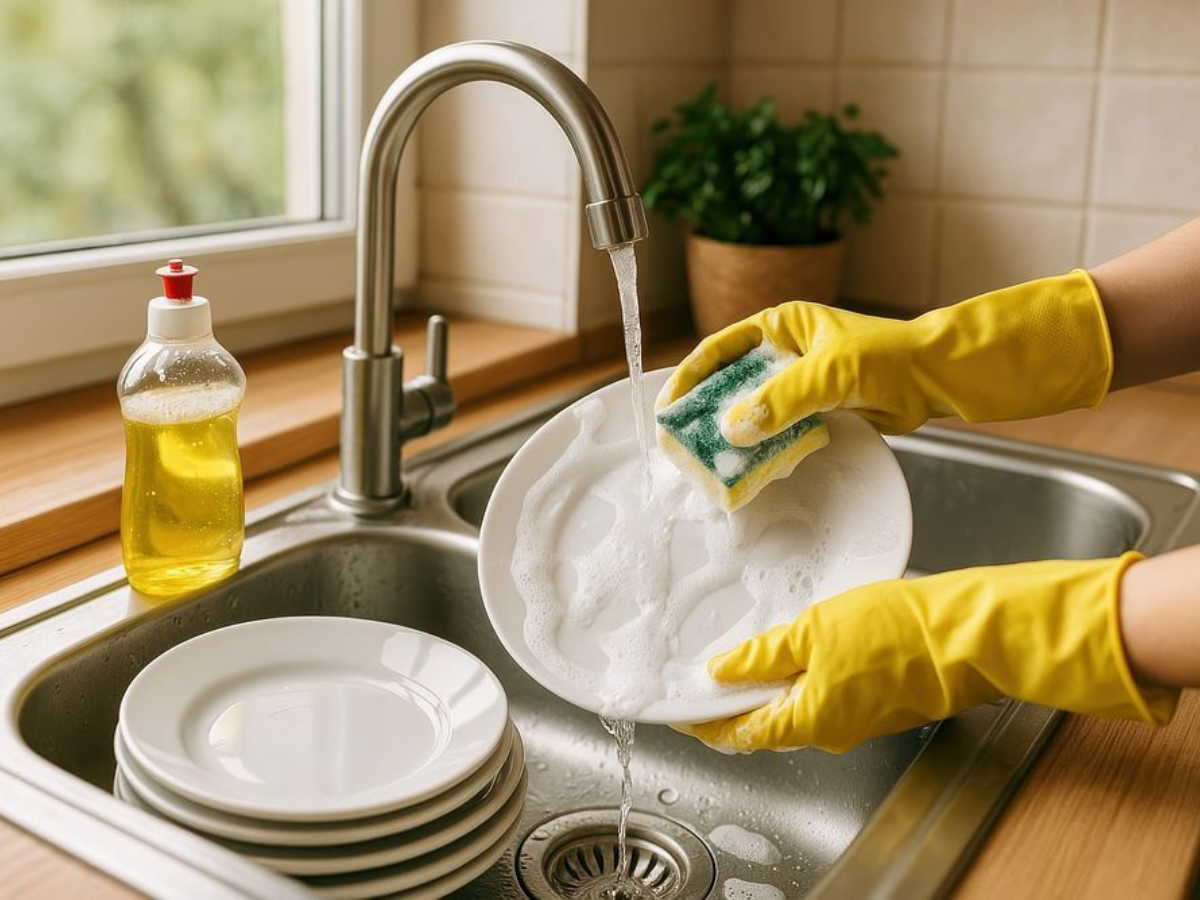
When you think about the dirtiest places in your home, the toilet is probably the first place that springs to mind. However, shocking research reveals that the real germ hotbed may actually rest right beside your sink and that is your kitchen sponge. Specialists have found that these ubiquitous cleaning tools harbor millions of bacteria, sometimes even more than are present on a toilet seat. Let’s examine why sponges get so dirty, how risky these germs are, and what you can do to get your kitchen clean.
Why Kitchen Sponges Become Germ Magnets
A sponge is always wet and covered with tiny pores, which makes it the perfect substrate for bacteria. Whenever you clean food particles, wash dishes, or scrub kitchen countertops, the sponge absorbs organic matter that acts as a source of nutrients for bacteria. While surfaces quickly dry, which doesn’t support the growth of bacteria, a sponge takes hours to dry an ideal environment for germs to multiply.
Sponges vs. Toilet Seats
Research has actually discovered that the common kitchen sponge harbors a whopping 10 million bacteria per square inch, well above the average toilet seat. This little secret lies in the fact that the toilet seat is sanitized frequently, while sponges are never replaced or sanitized appropriately.
Common Bacteria Found in Kitchen Sponges
Scientists have discovered several pathogenic bacteria found in sponges like E. coli, Salmonella, and Staphylococcus aureus. The microbes have the ability to migrate instantly to your plates, utensils, and countertops, increasing more chances of foodborne illness. For households with children, old persons, or people with weakened immune systems, it is even more dangerous.
How Often Should You Replace Your Sponge
Experts recommend replacing kitchen sponges every one to two weeks. Even though the sponge may appear clean, bacteria can be present in massive numbers. Replacing sponges monthly is one of the biggest reasons kitchens get dirtier than bathrooms.
- Simple Tricks to Make Your Sponge Cleaner
- Though it’s best to replace the sponge often, these are some simple tricks to reduce bacteria development:
- Microwave Method: Saturate the sponge and microwave for one minute to kill germs.
- Dishwasher Cleaning: Place the sponge in an intensive hot dishwasher cycle to remove the germs.
- Use Vinegar or Bleach: Soak the sponge in diluted vinegar or bleach solution in water to disinfect it.
- Dry Completely: Squeeze out the water from it after each use and let it dry completely.
Are Alternatives Better Than Sponges?
Most houses are moving away from sponges and advancing towards substitutes like dish brushes, silicone scrubbers, or microfiber cloths, which dry faster and trap fewer bacteria. These cleaning tools can be more easily sterilized than sponges and hold less moisture.
ALSO READ: World’s Richest Dog Inherits $400 Million — Here’s How