
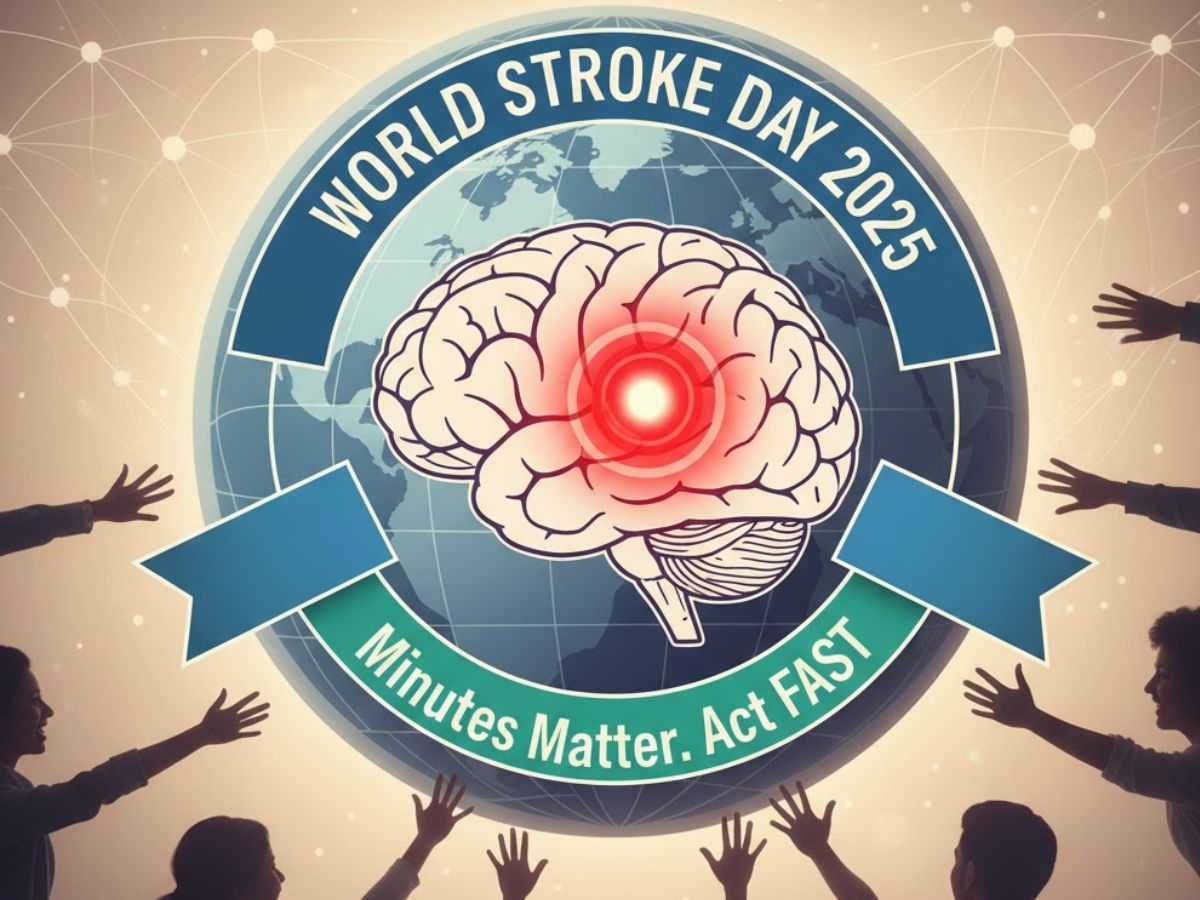
Stroke has become a major isssue these days. It is affecting everone’s life irrespective of age. It may create sudden death or disability due to unawareness. So Every year, October 29 is observed as World Stroke Day to raise awareness about one of the leading causes of death and disability worldwide.
The day highlights that a stroke can strike anyone, anywhere, anytime, yet most people are unaware of its early warning signs or preventive steps. World Stroke Day reminds us that timely action saves lives, and spreading knowledge about stroke prevention can greatly reduce the global disease burden.
This year, World Stroke Day 2025 focuses on spreading awareness about early detection, lifestyle management, and preventive healthcare measures that can help reduce stroke risk.
Stroke: A Growing Concern in India
As India observes World Stroke Day 2025, medical experts are emphasizing the importance of recognizing and managing modifiable risk factors those that can be controlled through lifestyle or medical changes. According to the World Health Organization (WHO), stroke remains the second leading cause of death and disability globally.
In India, the number of stroke cases has been rising sharply, especially among younger people. Factors such as uncontrolled blood pressure, smoking, diabetes, obesity, and lack of physical activity have significantly contributed to this worrying trend.
Major Risk Factors for Stroke
High Blood Pressure (Hypertension)
Uncontrolled hypertension can increase stroke risk by up to four times, as it damages and weakens artery walls over time. This can cause arteries to rupture or become blocked. A 2022 study in The Lancet Global Health revealed that one in three Indian adults suffers from hypertension, but less than 25% have it under control.
Smoking (Tobacco Use)
Both smoking and second-hand smoke can nearly double the risk of ischemic stroke and increase the chances of hemorrhagic stroke. The CDC notes that smokers face a two- to fourfold higher risk compared to non-smokers. Even passive exposure to tobacco smoke can increase the risk of blood clots.
Heart Disease
Heart-related conditions like atrial fibrillation (AFib) are another leading cause of stroke. Atrial fibrillation causes blood to pool in the heart’s upper chambers, forming clots that may later travel to the brain. Individuals with AFib are five times more likely to experience a stroke.
Diabetes
Diabetes damages blood vessels throughout the body, including those in the brain. High blood sugar leads to fatty deposits and clot formation in arteries. People with diabetes often have additional risk factors like hypertension, obesity, and high cholesterol multiplying their risk.
High Cholesterol
Excess cholesterol can cause plaque buildup in arteries, leading to blockages that may trigger strokes. Managing cholesterol through diet, medication, and regular monitoring is essential. The National Institutes of Health (NIH) reports that lowering LDL cholesterol by just 1 mmol/L can reduce ischemic stroke risk by more than 20%.
Obesity and Physical Inactivity
Being overweight increases your chances of developing high blood pressure, heart disease, and diabetes all major stroke risks. A sedentary lifestyle independently increases stroke risk, even for those with normal weight.
Awareness and Early Action Save Lives
Keep track of your blood pressure, sugar, and cholesterol and keep them under control. Quit smoking, stay active, and maintain a healthy weight. These are the simplest yet most powerful ways to reduce your stroke risk.
On World Stroke Day 2025, the global campaign theme “Together We Can Outpace Stroke” reminds everyone that stroke prevention is a collective responsibility.