World Food Day, which is celebrated every year on October 16th, commemorates the establishment of the Food and Agriculture Organization (FAO) of the United Nations in 1945. Over the years, the day has shifted from merely being the day the organization began to a worldwide campaign against hunger. From its creation in 1945 to its celebration in 2025, World Food Day seeks to promote awareness and action for the hungry and for the necessity of food security and healthy diets for all.
The Unsung Farmers Behind Our Every Bite
Behind our supermarkets’ full shelves and the ease of our meals are the millions of smallholder farmers and farm workers. These “unheard heroes” work endlessly, often under difficult circumstances like poverty, climate change, and limited resources. They are actually the backbone of our global food system. Acknowledgment of their contribution is the initial step towards a more fair food system.
Why Zero Hunger Still Feels Far Away?
The target of attaining Zero Hunger by 2030, a principal United Nations Sustainable Development Goal, continues to elude us. Although there is sufficient food globally to feed all, conflict, climate shocks, and economic crises. Access, rather than availability, is the essence of the issue. Millions become malnourished and food insecure due to structural barriers, and the goal of Zero Hunger seems elusive without concerted global and local action to remove these underlying causes.
How Your Food Wasting Habit Affects the Planet
All the choices you make about what you eat have a big environmental impact. How food is produced, processed, transported, and then eaten is responsible for most of the world’s greenhouse gas emissions, water use, and loss of biodiversity.
Also Read: 25 Transgender Hospitalized in Indore After Allegedly Consuming Phenyl
The Stark Reality Behind World Food Day?
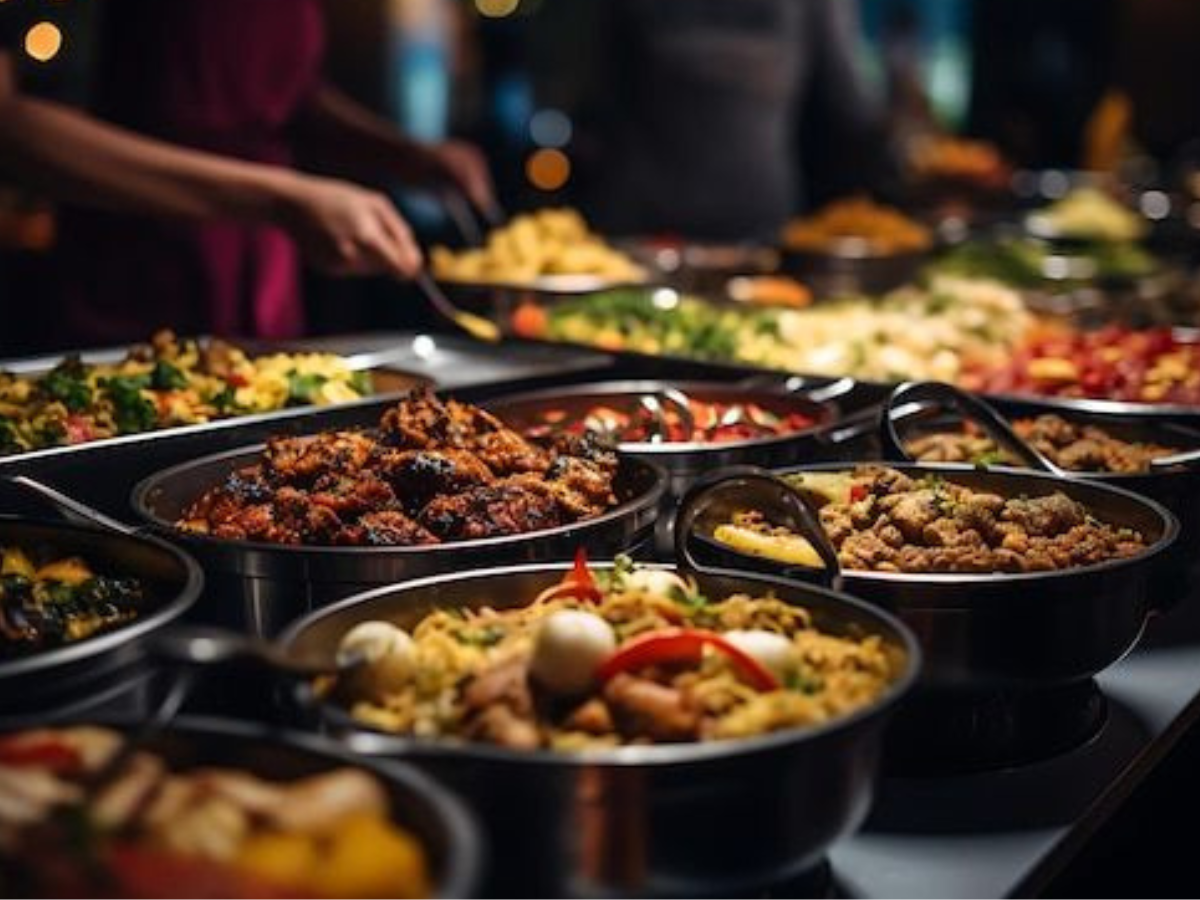
World Food Day puts into stark relief one of the most intense contradictions of our contemporary era: the coexistence of mass hunger and enormous food waste. This fact puts into stark relief a system that is broken and in which food is lost or wasted at each point from the farm to the fork—while others go hungry.
Amount of Food We Waste Every Day
The quantity of food we throw away each day is so far that we can’t even think. About one-third of total food produced worldwide for human consumption is lost or wasted annually. In wealthy nations, most of this waste occurs at the retail and consumer level. This everyday loss doesn’t simply translate to wasted food; it is also wasted water, energy, land, and labor, which has a great impact on climate change through methane gas released from landfills.
What We Can Do to Make This Change
In order to address this issue, we can instill simple but effective habits: meal planning to purchase only what is required; proper storage to maximize shelf life; knowledge of date labels; and composting food waste to recycle nutrients back into the ground.
Healthy Habits We Must Adopt on World Food Day
World Food Day is the perfect time to commit to healthier, more sustainable habits for our well-being and the planet.
Prioritize Plant-Based Meals: Increase consumption of fruits, vegetables, and legumes, which are often more nutrient-dense and require fewer resources to produce than meat.
Buy Local and Seasonal Produce: That minimizes carbon emissions from long-distance transport and supports your local farmers so you receive the closest to fresh nutrients.
Practice Mindful Eating: Listen to fullness and hunger signals, enjoy your food slowly, and cherish the path it traveled to get to your plate.
Reduce Food Waste at Home: Take a personal vow to utilize leftovers, freeze excess items, and compost scraps to reduce waste.