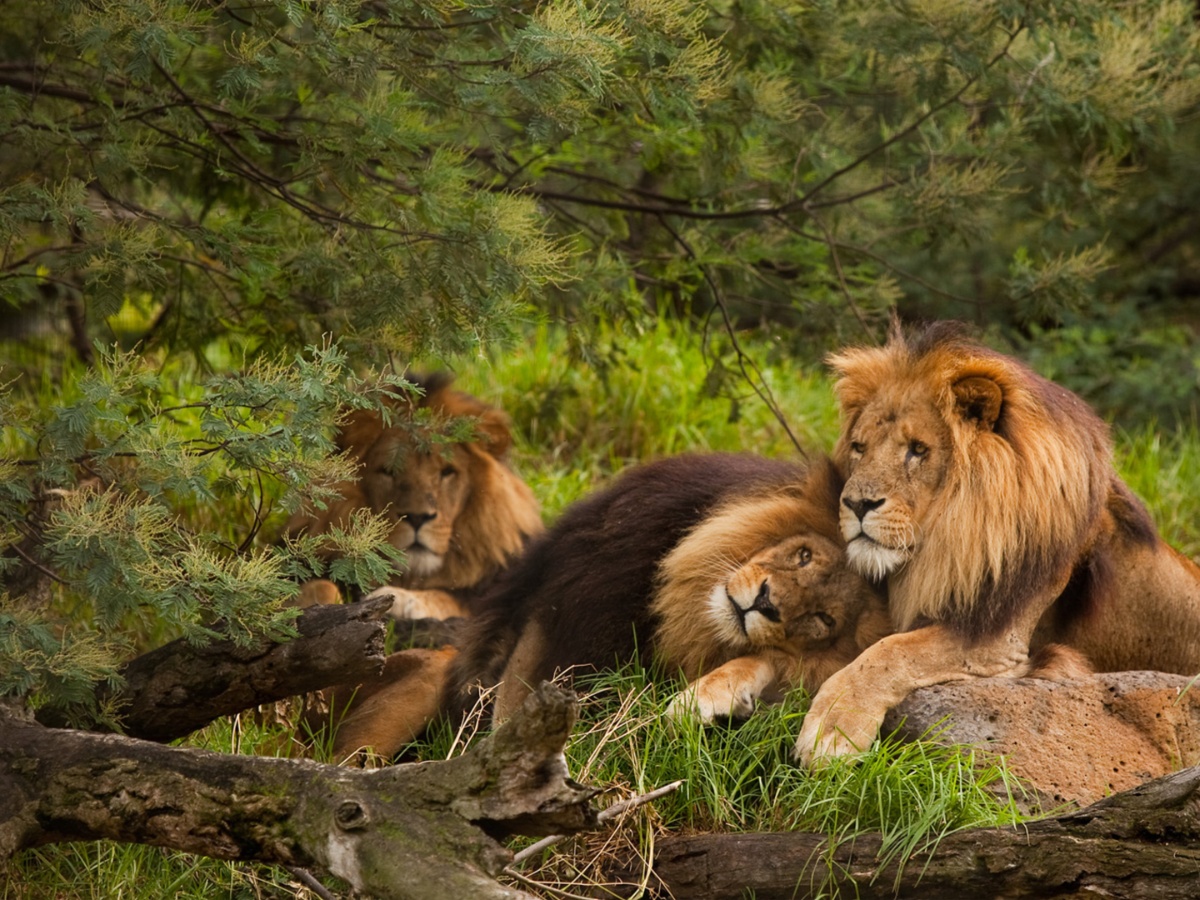
Animals have long exhibited a wide range of sexual behaviors, and same-sex interactions are far from rare. From bonobos and Japanese macaques to penguins and swans, researchers continue to discover that non-exclusive heterosexual behavior exists across the animal kingdom. While some have tried to draw parallels between human sexual orientation and animal behavior, scientists urge caution. Still, the presence of same-sex behavior in animals forces us to reexamine long-held beliefs about evolution, reproduction, and survival.
Not Just a Human Trait
Same-sex interactions in animals aren’t new—but they have often been ignored or dismissed. This is because such behavior appears to contradict Darwin’s theory of natural selection and the evolution favours traits that help an organism reproduce and these behaviors that don’t directly result in offspring seem counterintuitive. This perceived contradiction is known as the ‘Darwinian paradox’.
However, researchers now understand that sexual behavior in animals serves many purposes beyond reproduction, and it helps reduce social tension, build bonds, and establish hierarchies, the BBC Wildlife Magazine notes that terms like “gay” or “heterosexual” aren’t ideal when describing animal behavior. Unlike humans, animals don’t appear to conform to fixed sexual orientations.
Read More: “Bring Back Madhuri”: Elephant Transfer Sparks Jio Boycott in Kolhapur
Bonobos: Pleasure Over Politics
Bonobos, one of our closest primate relatives, engage in sexual behavior freely—regardless of sex and the genital rubbing, mounting, and other forms of sexual contact are part of everyday bonobo life. These acts serve purposes beyond mating: greeting, conflict resolution, and strengthening group bonds, female-female and male-male interactions are just as common as male-female ones. Bonobos are promiscuous and form multiple short-term pairings, showing no consistent preference based on sex.
Japanese Macaques: Same-sex Courtship and Competition
Among Japanese macaques, female-female pairings are both sexual and social. These monkeys form temporary consort ships that mimic heterosexual pairings. Females even compete with males for the same partners and choose female partners even when male ones are available.
Birds: Penguins, Geese, and Swans
Same-sex behavior is not limited to primates and in the bird world, famous examples include Roy and Silo, two male chinstrap penguins from New York’s Central Park Zoo. The pair incubated a fertilized egg together and successfully raised a chick. Snow geese females have also formed lifelong pairings to raise their combined offspring. Among black swans, an estimated 25% of all pairings are male.
Same-sex Behavior Has a Purpose
Despite its apparent contradiction with reproduction, same-sex behavior serves social and survival functions, and it fosters cooperation, builds alliances, and maintains group harmony. Scientists are now increasingly open to acknowledging these roles rather than viewing the behavior as an evolutionary “mistake”.
Understanding Without Oversimplifying
The topic is complex, and the researchers avoid equating animal behavior with human identities. Still, same-sex behavior in animals reminds us that nature resists rigid categories. What we see in the wild may not always follow human norms—but it reveals the vast diversity of life.
Also Read: He Wrote the Kamasutra, Yet Lived in Celibacy: India’s First Love Guru Revealed