
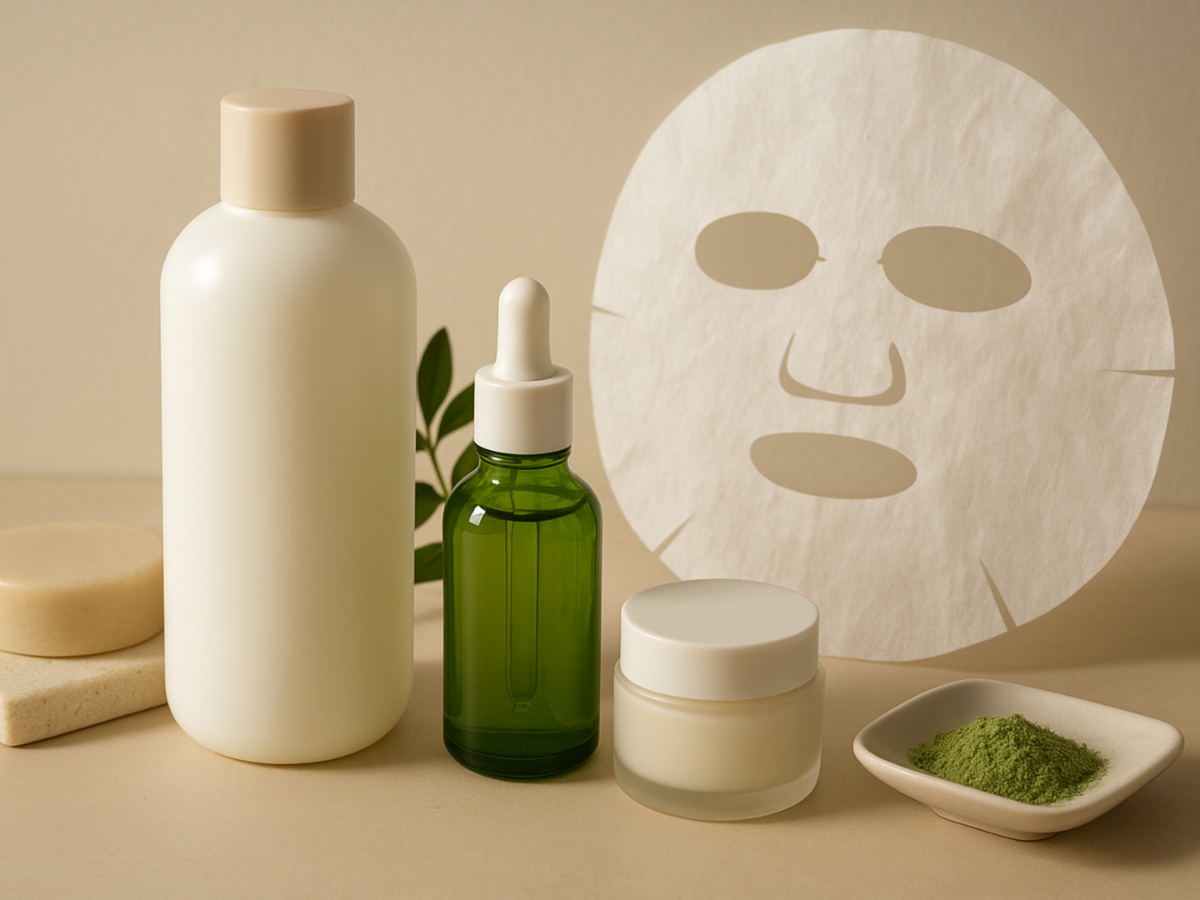
The Indian beauty market is evolving rapidly. Consumers now have access to everything from Ayurvedic homegrown brands to Korean serums and collagen sheet masks. The beauty market in India is expected to grow to about $34 billion by 2028. K-beauty became very popular, thanks to trendy routines and influence from pop culture. Now, Japanese beauty, or J-beauty, is slowly gaining attention. It focuses on simple, science-based skincare that gives long-term results. Many Indian consumers are starting to prefer these routines over short-lived trends.
How K-Beauty Took Over First
Korean beauty became very popular in India because of the Hallyu wave—K-pop, K-dramas, and the craze for “glass skin.” India’s K-beauty market was worth $0.4 billion in 2024 and is expected to grow to nearly $1.5 billion by 2030, with a CAGR of 25.9%. The number of buyers is likely to more than double, from 12 million in 2024 to over 27 million by 2030. K-beauty gave Indians affordable global skincare options, like sheet masks, serums, toners, and 10-step routines. Online platforms like Nykaa, Flipkart, Myntra, Amazon, and social media helped it reach even more people quickly.
Read More: Hartalika Teej 2025: Everything About Date, Puja Muhurat and Its Importance
Enter J-Beauty
Unlike K-beauty, Japanese beauty emphasizes precision, tradition, and long-term results. J-beauty earned $2.63 billion in India in 2022 as per report and is expected to reach $3.73 billion by 2030, with growing rate of 4.5% per year. Big brands like Shiseido have even opened flagship stores in Mumbai, showing that they are taking the Indian market very seriously.
Why Indian Consumers Prefer J-Beauty
Dr. Pravin Banodkar, co-founder of Skin Beyond Borders, says that J-beauty is popular because of its cultural roots and simplicity and it usually has just three to five basic steps—cleanse, hydrate, treat, and protect—which makes it easy to follow for busy lifestyles and its products are safe and give long-term benefits, encouraging habits like using sunscreen and moisturiser daily. After Covid, more Indians have started exploring global skincare routines, making room for both K-beauty and J-beauty.
The Ingredient Advantage
Japanese beauty uses natural and traditional ingredients like rice extracts, matcha, seaweed, fermented products, azuki beans, and ginseng. These clean ingredients appeal to Indian consumers who pay attention to labels and prefer cruelty-free, vegan, and simple skincare. Niharika Jhunjhunwala, the founder of ClayCo, says that more Indians now look for high-quality skincare based on tradition. Her products, like the Rice and Sake Sleep Mask and Sunglaze sunscreen, have become very popular and sell out on platforms like Nykaa, Amazon, and Tira.
J-Beauty vs K-Beauty
K-beauty is all about trends, flashy packaging, and long routines with 10 to 12 steps. On the other hand, J-beauty focuses on simple, science-backed skincare and preventive care. Ishvani Patel, founder of ILEM JAPAN, says that J-beauty suits people who want mindful and practical skincare. Its products are gentle but effective, giving results that are gradual, long-lasting, and easy to include in daily routines.
Read More: Ganesh Chaturthi 2025: Date, Shubh Muhurat by City, and Complete Puja Vidhi
What’s Next for J-Beauty
India’s cosmetics market is expected to grow from $1.89 billion in 2025 to $3.17 billion by 2030. K-beauty will keep growing fast, but J-beauty shows a shift toward sustainable and effective skincare that focuses on real results rather than trends. It is subtle, reliable, and is slowly shaping the next phase of beauty in India.