Diwali, India’s most widely celebrated and nation-wide joyous festival, is more than a light show. It has layers of history, custom, and social teachings that are felt way beyond the festival. Let’s understand the significance of the festival, lights, rituals associated and other details.
Background and Origins
Diwali, also Deepavali, derives from the Sanskrit for “row of lamps” and was formed as a synthesis of ancient harvest festivals of pre-historic India over 2,500 years ago. It celebrates various mythological events according to regional traditions like Rama’s return to Ayodhya after the defeat of Ravana, Krishna’s defeat of Narakasura, and Mahavira’s achievement of nirvana in Jainism. The festival occurs during the Hindu lunar month of Kartik, typically October or November.
ALSO READ | Why Do Women Fast on Karwa Chauth – Essence of the Festival
Essence and Significance
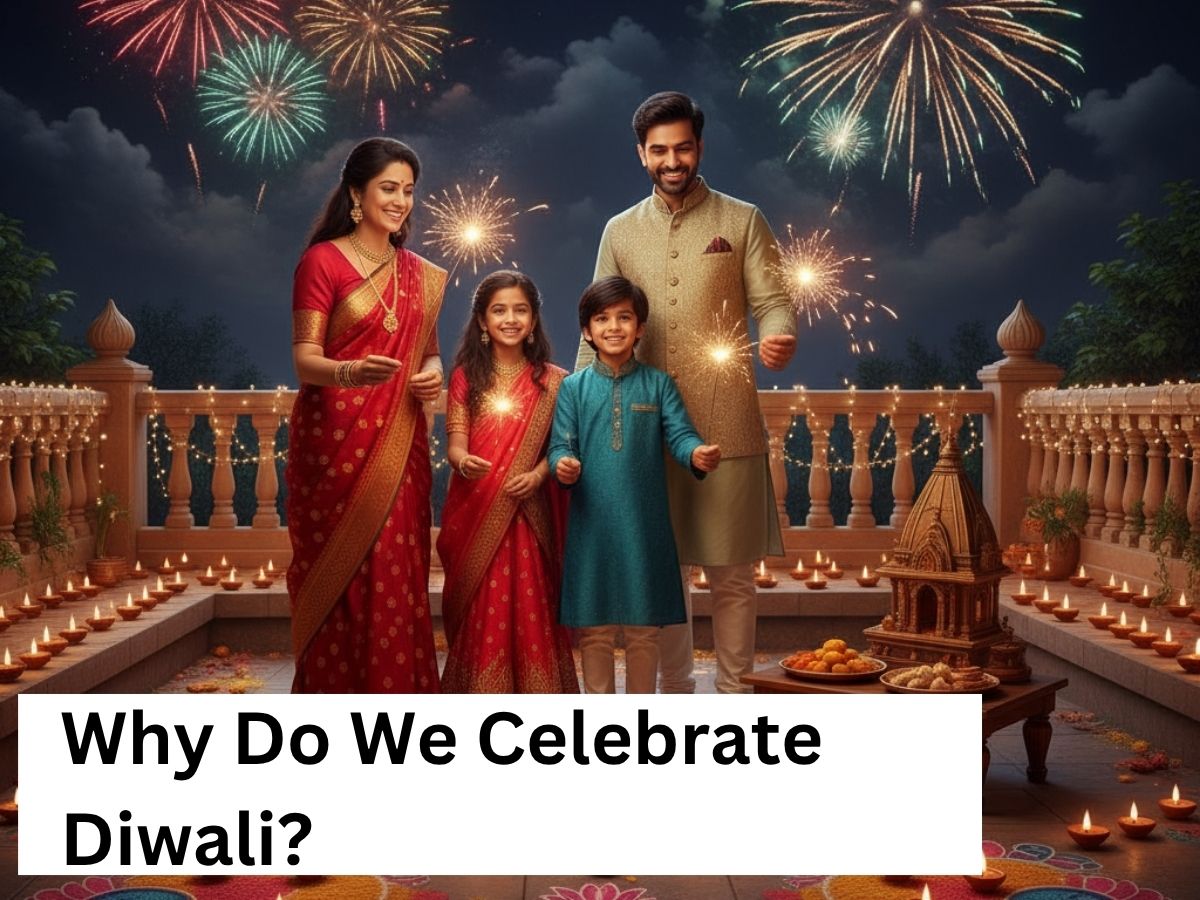
Fundamentally, Diwali commemorates the victory of light over darkness, good over evil, and knowledge over ignorance. The most prominent symbols, lamps (diyas) and candles, are lighted to drive away metaphorical and literal darkness in family and society. For others, Diwali represents new beginnings, prosperity, and rejuvenation of hope, transcending religious and cultural boundaries.
Rituals and Traditions
Preparations for Diwali start days in advance with cleaning, whitewashing, and adorning houses. On the festival night, individuals wear new attire, exchange gifts and sweets, and conduct special pujas particularly to Goddess Lakshmi, bringing prosperity and prosperity. Lighting diyas, fireworks, and eating together with family and friends are common practices. In business communities, Diwali also signals the beginning of the new financial year with auspicious accounting.
ALSO READ | How To Check Provident Fund (PF) Balance – Step-by-Step Guide
Lessons for Society
The central themes of Diwali are as pertinent to contemporary society today: the significance of compassion, harmony, and the quest for justice and wisdom. It keeps everyone reminded of transcending inner and collective darkness—ignorance, injustice, or social conflicts with compassion, generosity, and moral action. Charitable giving and philanthropy are promoted, as in the ethos of sharing and inclusivity.
ALSO READ | Chhath Geet- Top Songs for Chhath Puja
Diwali, in reality, is more than a ritualistic celebration, it is a reassertion of human beings’ age-old values and mankind’s common desire for a better, gentler world.