
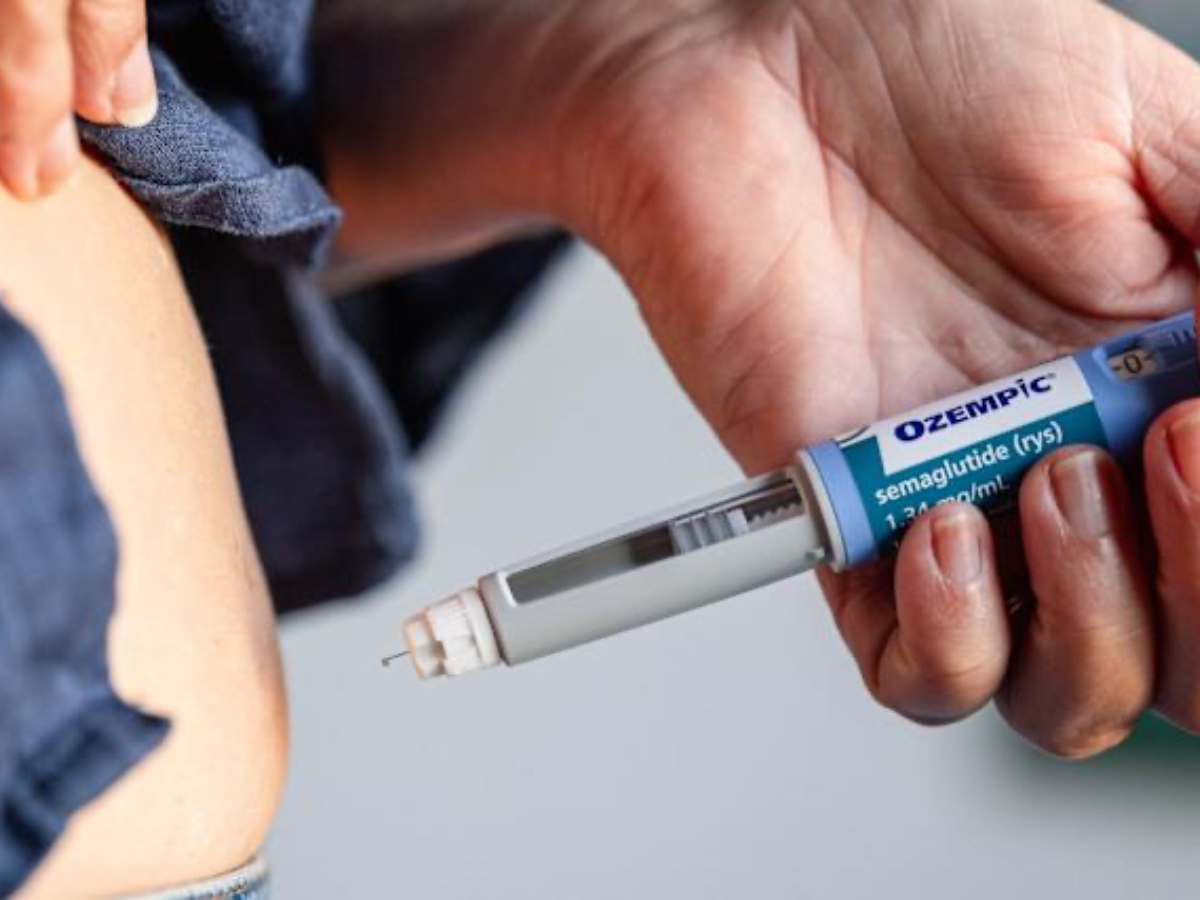
It is the first guideline on GLP-1 therapies issued by the World Health Organization and will no doubt revolutionize how global health institutions address obesity.
The organisation now considers obesity a chronic disease, requiring lifelong support rather than quick fixes for over a billion people living with it. That new framework reflects growing scientific evidence and rising international demand for GLP-1 medications.
What is the GLP-1 Therapies
Originally developed for the treatment of type 2 diabetes, GLP-1 receptor agonists have demonstrated outstanding blood sugar regulation, together with weight loss and the reduction of cardiac and kidney risks. Medications within this class mimic a natural hormone that regulates appetite and aids the body in processing glucose more efficiently.
Allowing for a slower digestion and enhancing insulin production, they allow an individual to feel full for longer and sustain better sugar levels hence, making medications of this class instrumental for long-term obesity management.
Why WHO Issued Conditional Recommendations
The guidance of WHO comes with a caveat. GLP-1 therapies for long-term treatment of obesity in adults, except pregnant women are recommended conditionally. This is because long-range data on safety is limited, accessibility due to costs remains a concern and many health systems are not prepared for such treatments.
ALSO READ: Trump Warns Israel: ‘Do Not Interfere With Syria’s Evolution’ Praises New Syrian Leadership
WHO also urges that medications be paired with structured diet and activity plans and evidence suggests that the combined approach tends to yield better results.
Safety Risks & Counterfeit Goods
The global demand has surged so fast that fake versions of GLP-1 drugs are already in circulation in a few parts of the world. WHO warns that patient safety depends on regulated distribution, proper medical supervision and enhanced cross-border oversight if public trust is to be preserved, unchecked dissemination of counterfeits cannot be allowed to occur.
Why Medication Alone is Not Enough
As promising as these therapies may be, WHO stresses that obesity is not something that can be solved by prescriptions alone. It is an entity of a multifactorial nature, influenced by environment, lifestyle, access to healthy food and socioeconomic inequality.
The guideline calls for broader reform that creates healthier communities, identifies at risk groups early and guarantees long-term, person-centered care.
What’s Next for Global Health Systems
Reaching everyone who needs GLP-1 treatment will be challenging. Even at an increased production rate, fewer than one in ten eligible people might have access by 2030.
WHO is urging governments to build fair pricing strategies, expand manufacturing and prepare systems for large-scale rollout. The new guideline forms part of a long-term plan and WHO intends to update its recommendations as evidence evolves.
Disclaimer: This article is for informational use only and should not replace medical advice. Consult a qualified health professional before starting any treatment.