
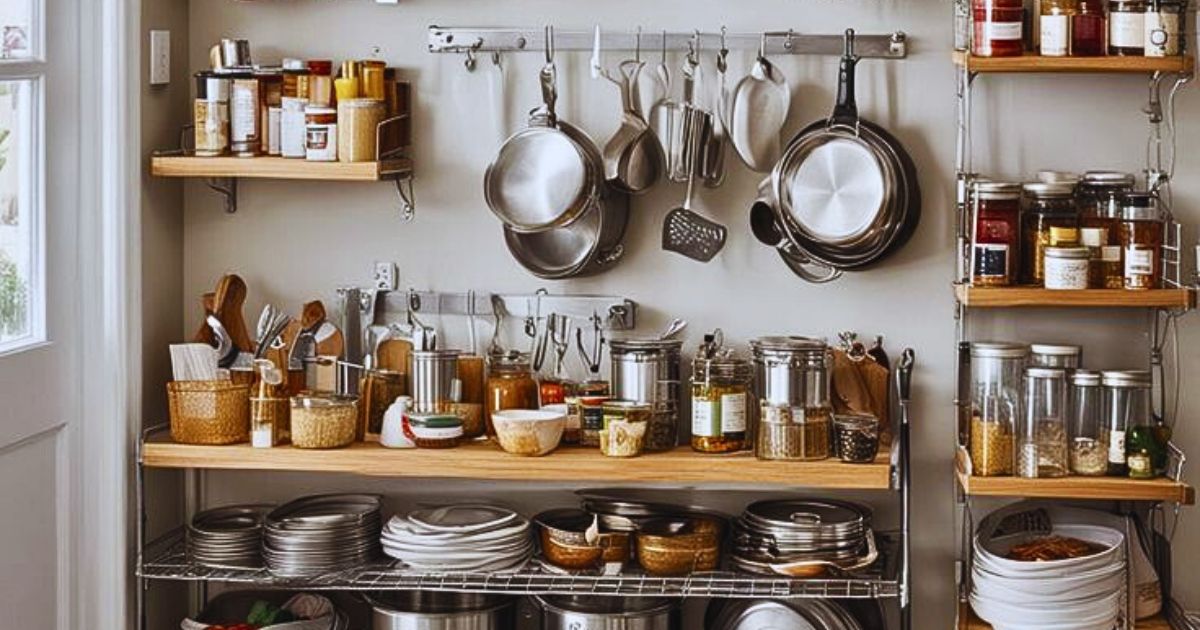
We clean them, reuse them, and even grow emotionally attached to some of them—yet we rarely question how long a kitchen utensil is meant to last. Unlike food packets or bottled sauces that scream out expiry dates, kitchen tools expire silently. And if you’re still cooking with cracked spoons, peeling pans, or warped containers, you might be inviting bacteria, microplastics, or toxic chemicals into your food—without even realizing it.
Not Just Tools—They’re Timebombs
That “trusty” non-stick pan with the peeling coating? It’s more than just worn out—it may be releasing harmful PFAS (a group of synthetic chemicals) into your meal. The plastic spatula that’s been through too many cooking sessions could be breaking down under high heat. And that wooden spoon, beloved and aged, could be soaking up moisture and bacteria deep in its cracks.
Experts caution that a gadget may not be safe just because it appears clean. Utensils can become unclean and dangerous over time due to microscopic damage or degradation caused by years of heat, water, and cleaning.
When the Cutting Board Cuts Corners
Among the most misunderstood culprits is the humble chopping board. While it may look fine after a rinse, the cuts and grooves from your knives often become tiny homes for bacteria—especially after cutting raw meat or fish. According to health professionals, plastic boards should be replaced every 12-24 months, depending on use, while wooden ones should be deep-cleaned regularly and monitored for cracks or odors.
Tip: If your board smells—even after washing—it’s time to toss it.
Storage Containers: What You Can’t See Might Hurt You
Food-grade plastic containers are staples in Indian kitchens, but they aren’t immortal. Over time, even microwave-safe plastics can warp or leach chemicals, especially when exposed to high heat or acidic foods. When the seal weakens, the plastic softens, or scratches appear—it’s not just aesthetic damage. These signs may indicate the breakdown of the material itself, leading to possible contamination of your leftovers.
Always check the symbol underneath your container—BPA-free, microwave-safe, and dishwasher-resistant labels matter.
The Sponge That Lives Too Long
Yes, your kitchen sponge probably needs to retire. Sponges are a breeding ground for germs, absorbing food particles, grease, and moisture with every use. While most households replace them only when they smell bad, experts recommend changing sponges every two to four weeks. Even faster if you’ve been cleaning raw meat spills.
If that feels wasteful, consider using silicone scrubbers, which last longer and are easier to sanitize.
It’s Not Just the Tools—Storage Habits Matter
Improper storage accelerates wear and tear. Utensils stored near stoves can warp from heat. Spices lose their punch under direct sunlight. Wooden tools stored while still damp can develop mold. Even the best-quality tools need the right environment to thrive.
Make sure your tools are dry, away from heat sources, and stored in clean, ventilated areas. And yes, your steel sieves and graters deserve a regular scrub too—those tiny holes often trap fine particles and rust.
Rethink, Replace, Refresh
Owning 20 gadgets won’t help if 15 of them are unsafe. Instead of hoarding, embrace minimalism with quality. Invest in durable materials like stainless steel, heat-resistant silicone, and responsibly sourced wood. Let go of tools that are cracked, discolored, or just don’t feel right anymore.
The kitchen is your wellness temple. You wouldn’t cook with expired oil—why trust a toxic pan?
A Wake-Up Call for the Conscious Cook
The truth is, utensils don’t scream when they’ve gone bad—but your health might. From slow-leaching plastics to bacteria-loaded sponges, the silent wear of your tools can affect the very meals you cook with love. Food safety doesn’t end with expiry dates on packets. It begins with awareness—of tools, storage, and habit.
So, the next time you’re deep-cleaning the fridge or restocking masalas, peek into that utensil drawer. That warped tiffin box? Retire it. That grater that’s impossible to clean? Replace it.
Because safety doesn’t only come from what’s in your kitchen—sometimes, it’s about what you choose to let go of.