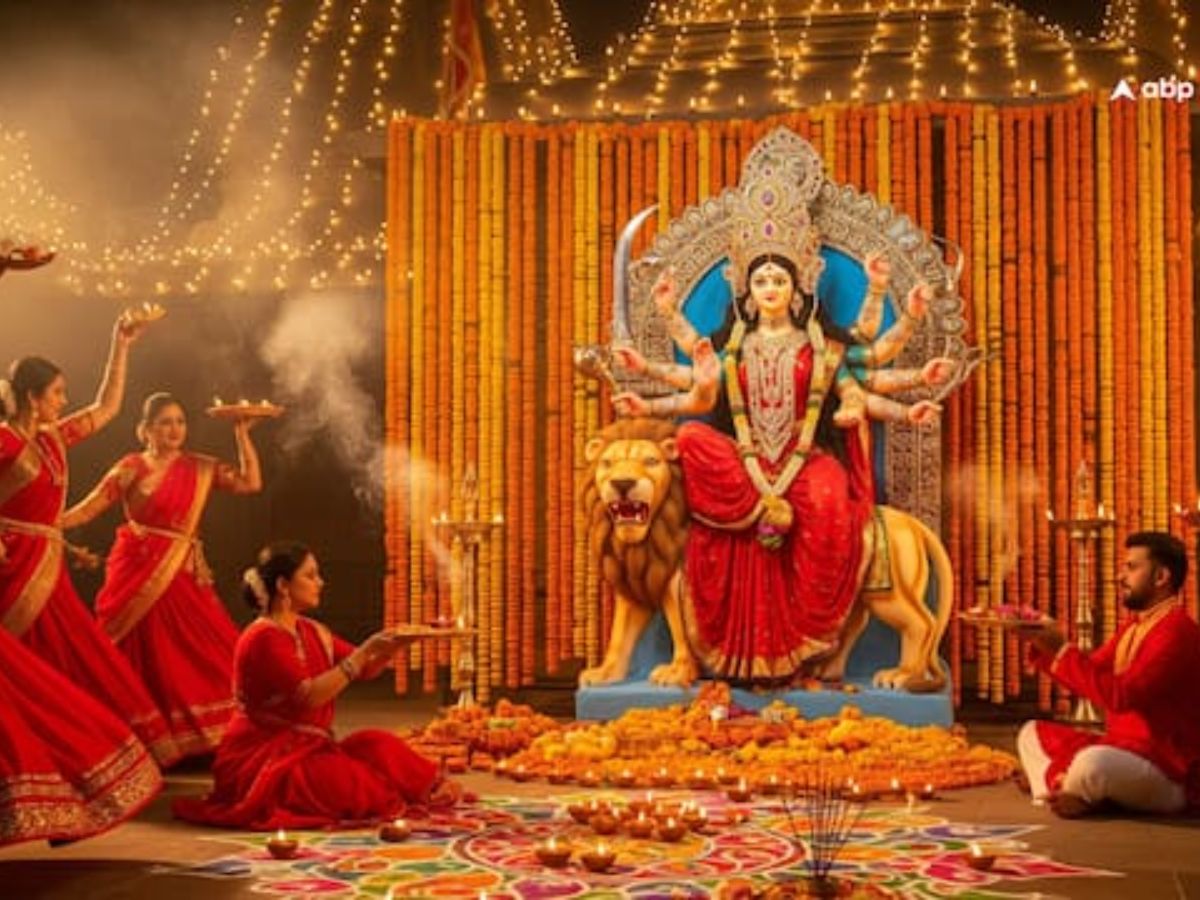
The 2025 Shardiya Navratri will be observed from September 22 to October 2, concluding with Vijayadashami on October 2, 2025. Shardiya Navratri is one of the most prominent Hindu festivals, widely celebrated across Northern and Eastern India with devotion, cultural programs, and traditional rituals. Taking place during the autumn season, in the month of Ashwina, the festival is dedicated to Goddess Durga, the embodiment of strength, courage, and wisdom. Over these nine nights, devotees engage in prayers, fasting, and spiritual practices, seeking blessings for prosperity, protection, and moral guidance. The festival symbolizes the eternal struggle between good and evil, with the celebrations culminating on Vijayadashami, marking the victory of Goddess Durga over the demon Mahishasura and emphasizing the importance of virtue, justice, and harmony in life.
Significance and Devotional Practices
Navratri, which literally means “nine nights”, is celebrated with unmatched enthusiasm. Each night is dedicated to one of the nine forms of Goddess Durga, known as Navadurga, who represent different virtues like courage, knowledge, prosperity, and compassion. Devotees perform Aarti, recite hymns, and participate in Garba and Dandiya Raas, traditional dances that have become synonymous with the festival, especially in states like Gujarat, Maharashtra, West Bengal, and Uttar Pradesh. Fasting is a common practice, with many observing either a full fast or consuming only specific foods while focusing on spiritual reflection and devotion.
The Cosmic Connection
Navratri is deeply intertwined with astronomical and cosmic cycles. The festival begins the day after the new moon (Amavasya). The first nine days of the lunar cycle are considered feminine, symbolizing Devi, the feminine aspect of the Divine. The ninth day, Navami, marks the culmination of this feminine phase. The one-and-a-half days around the full moon are considered neutral, while the remaining eighteen days are masculine. Traditionally, worship during Navratri up to Navami is entirely dedicated to Devi, reflecting the alignment of human life with cosmic and natural rhythms.
Sharada Navratri: Honoring Knowledge and Learning
Among the twelve Navratris observed each year, the Sharada Navratri holds the greatest significance. Occurring in autumn, it is dedicated to Goddess Sharada, the deity of learning and wisdom. This emphasis underscores the cultural belief that the ability to learn and acquire knowledge is humanity’s most defining trait. While other creatures may surpass humans in strength or speed, humans have the unique capacity to learn, innovate, and progress. Devotion during Sharada Navratri celebrates not only spiritual growth but also the intellectual and moral development that defines human life.
Cultural and Spiritual Importance
Navratri is more than a religious observance—it is a cultural festival that brings communities together. Temples are beautifully decorated, homes are purified, and families gather for prayers and feasts. In many regions, temporary pandals (festival stages) host cultural programs, devotional music, and performances that recreate stories from the Durga Saptashati or other scriptures. Vijayadashami, the final day, often sees the immersion of Durga idols in water bodies, symbolizing the return of the Goddess to her celestial abode and the victory of righteousness.
Modern Observances
While traditional practices remain central, modern celebrations have added elements of social gatherings, music festivals, and online devotional events. Many devotees also use this time for reflection, goal-setting, and acts of charity, aligning the spiritual lessons of Navratri with contemporary life. The festival also highlights environmental consciousness, as many communities now encourage eco-friendly idols and decorations to reduce pollution.
The 2025 Shardiya Navratri is a time to celebrate the triumph of good over evil, the power of the feminine divine, and the value of knowledge and learning. Beyond rituals and dances, it is a festival that reinforces spiritual discipline, cultural identity, and community bonding. Observing Navratri reminds devotees of the importance of virtue, courage, and wisdom in daily life, making it one of the most enduring and meaningful celebrations in the Hindu calendar.
Also Read: From Ganesh Visarjan to Navratri: Upcoming Festivals in September 2025