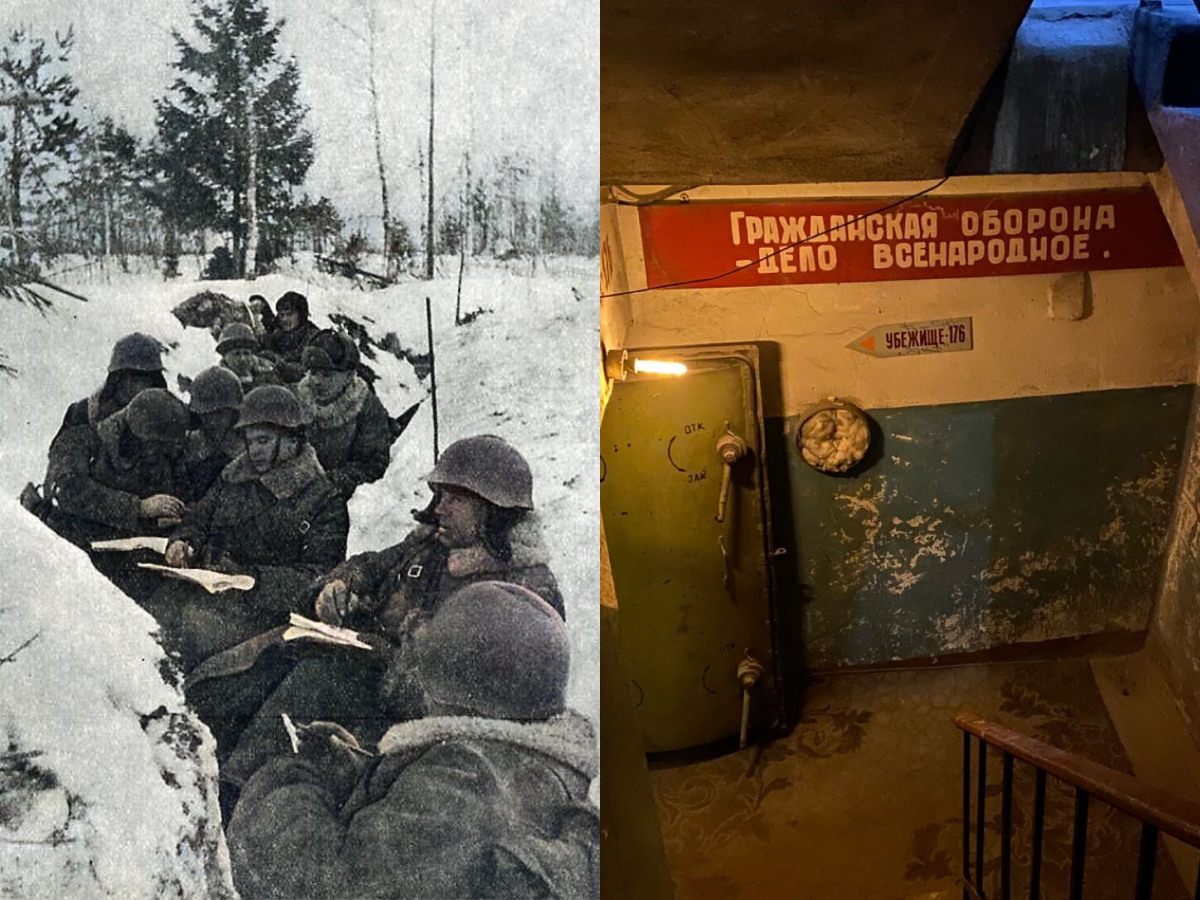
During the Cold War period, the globe was split between two superpowers, the Soviet Union and the United States. Both countries existed in a state of perpetual fear of nuclear war, resulting in the development of clandestine underground complexes. In Russia, most of these nuclear shelters remain to this day, concealed beneath mountains, forests, and cities. They are grim reminders of a time when humankind was about to be destroyed.
What Was Nuclear Bunkers For?
The main reason for nuclear bunkers was to survive. Should there be a nuclear attack, leaders and military personnel, and even civilians at times, required a place where they could safely take cover. The bunkers were meant to survive radiation, nuclear explosions, and chemical warfare. A lot of them had food stockpiles, medical kits, communication equipment, and air filtration systems so that individuals could last weeks or months underground.
The Cold War Context
Cold War (1947–1991) was not a war in the conventional sense but a time of tension, competition, and fear between the United States and the Soviet Union. At the center of this competition were nuclear weapons. Preparations for an attack were made by both sides in building underground shelters. In the Soviet Union, things were shrouded in secrecy. The majority of citizens were themselves not even aware of the huge bunkers that were being built under their cities.
Famous Russian Bunkers
Some of Russia’s nuclear bunkers have since been opened to the public.
- Bunker 42 (Moscow): 65 meters underground, this bunker was constructed in the 1950s and had a capacity for 3,000. Today, it is converted into a Cold War museum where people can tour control rooms and long dark corridors.
- Yamantau Mountain Complex (Ural Mountains): Dubbed Russia’s most enigmatic military base, this bunker is said to remain operational. Western intelligence has suspected it might be a command center in the event of nuclear war.
- Tagansky Protected Command Point: Constructed as a communications center, it was intended to function during a nuclear attack.
These facilities reveal how seriously the Soviet Union took preparing for a nuclear conflict.
Life Inside a Bunker
Life within these bunkers was not comfortable. Rooms were cramped, air was recirculated, and individuals stayed in a state of stress. Survival, though, was given priority over comfort. All aspects, be it food rations or ventilation, were meticulously planned. Drills were even done in many instances to prepare for attack.
Are They Still Relevant Today?
Although the Cold War had concluded in 1991, several of these bunkers remain in place. Some are abandoned, while others remain highly classified and operational. Even though global tensions continue to escalate in some regions of the world, experts claim Russia continues to maintain and modernize some of these shelters as part of its defense plans.
ALSO READ: China’s Ghost Cities: Why Do These Modern Urban Marvels Stand Empty?