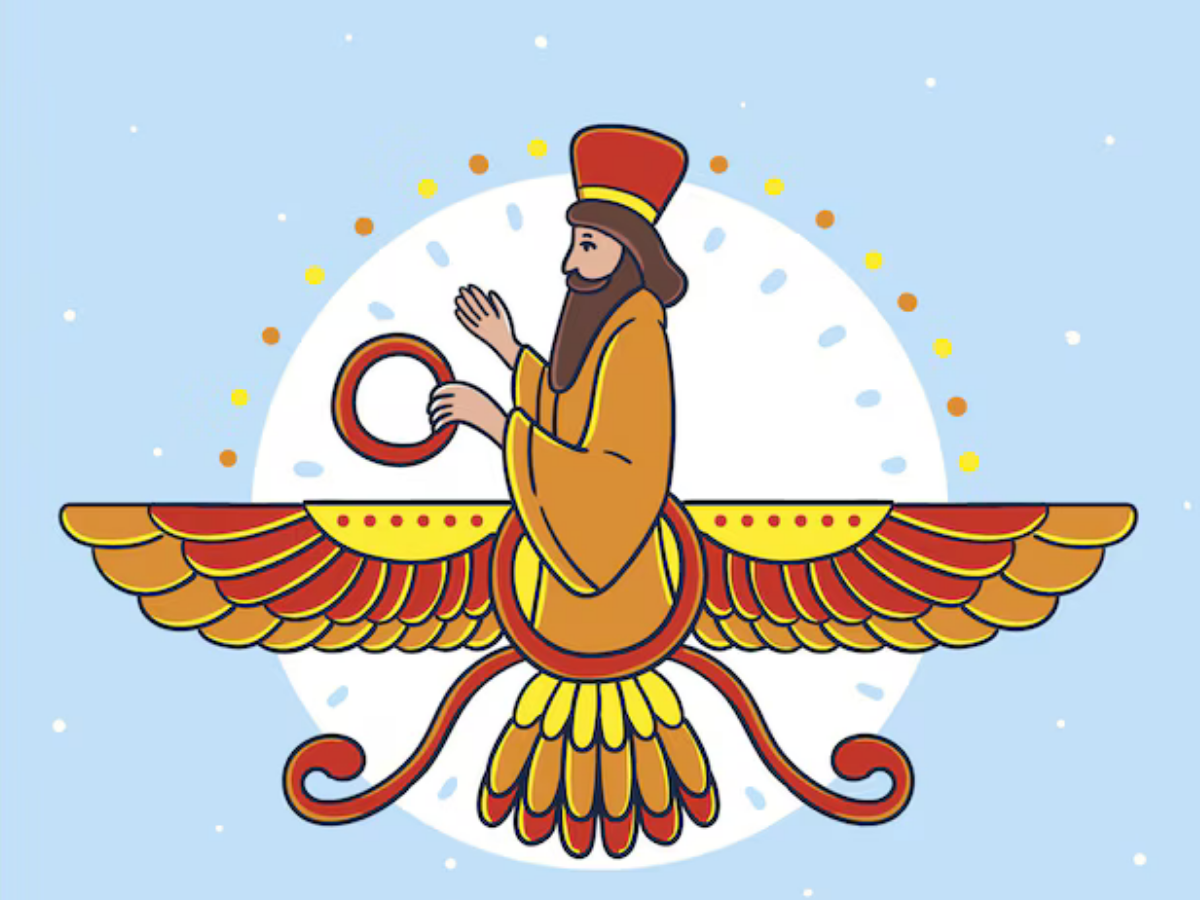
Parsi New Year’s Navroz or Jamshedi Navroz is on August 15 in the year 2025-marking it coincide with India’s Independence Day. Celebrated by the Parsi community of India, the Shahenshahi calendar is devoid of leap years.
The date falls approximately 200 days from spring to mid-August when the celebration occurs. From Zoroastrianism- one of the oldest monotheistic world religions- Navroz goes back over 3000 years. The word ‘Navroz’ itself means ‘new’ in Persian Nav and day-Roz, which is a beautifully simple expression of renewal.
The Celebration has its roots in the time of prophet Zarathustra, who established Zoroastrianism one of the oldest monotheistic religion in the world. From 650 BCE until the 7th century CE, Zoroastrianism was the recognized religion of Persia (present day Iran). However, when Islam grew many Zoroastrians migrated to India and Pakistan, where they became known as Persis.
Traditional Renewal & Rituals
Faithful Parsis perform soul-cleaning ceremonies-thorough house cleanings, floral rangolis and Agiary (fire temple) visits-on Navroz.
ALSO READ: 79th Independence Day: Operation Sindoor Flag Soars Over Red Fort
The ‘Four Fs’ means Fire, Fragrance, Food and Friendship are the focal points of the festivities. Families gather to savor traditional Parsi cuisine, ask for pardon for past transgression, cleanse the mind and greet the new year with pleasure and love.
Offerings include milk, fruits, flowers and sandalwood to the sacred fire for blessings of health and prosperity. Only to the element of fire, fragrance, food and friendship-embody both the spiritual and social rejuvenation, comprises such celebrations.
Culinary Delights & Introspection
The pride of Navroz lies in all its pompous elaborate culinary display; signature Parsi cuisine such as patra ni machhi, berry pulao, moora dal chawal and savory and sweet delicacies are shared in large meals reinforcing bonds of love and gratitude.
ALSO READ: 79th Independence Day: US Wishes India, Highlights Strong Ties
Traditionally, Navroz’s eve, to which Pateti refers, is kept as a day for introspection and asking forgiveness, preparatory to a fresh start.
Cultural Change of Significance
Though it is a restricted (optional) holiday, Navroz has a glowing cultural resonance in states such as Gujarat and Maharashtra, where the Parsi population is significant. This coincidence of Navroz with the national festivities this year only enhances visibility as it draws bigger crowds to fire temples and communal events.
To the Parsi community-small in number but rich in tradition-Navroz remains a salient point of identity. For example, in Nagpur, where the community numbers a few hundred, congregations around Navroz and Muktad mark the commitment to heritage and spiritual remembrance.
Navroz is more than just a date on a calendar; it is a sweet contradiction of reflection and celebration, of memory and inheritance. Through ceremonies that honor the past and hope for the future, Parsi New Year nurtures community bonds, spiritual clarity and the eternal promise of renewal.
ALSO READ: PM Modi Vows To Shield Farmers From Trump Tariffs In Independence Day Speech